Choosing window tinting by vehicle type isn't as simple as picking a shade percentage and calling it done. Your sedan needs different considerations than your friend's pickup truck, and that luxury SUV in your garage? It has unique tinting requirements you won't find in a compact car.
The reality is that vehicle design, window size, and how you use your ride all play into making the right tinting decision. Get it right, and you add style while improving comfort and protection. Get it wrong, and you end up with tinting that looks off or doesn't serve your needs.
At A&G Auto Spa, we work with every vehicle type imaginable, from compact daily drivers to luxury performance machines. Let's break down what makes window tinting by vehicle type such an important consideration and how to match the right tint to your specific ride.
Luxury Sedans: Sophistication Meets Function
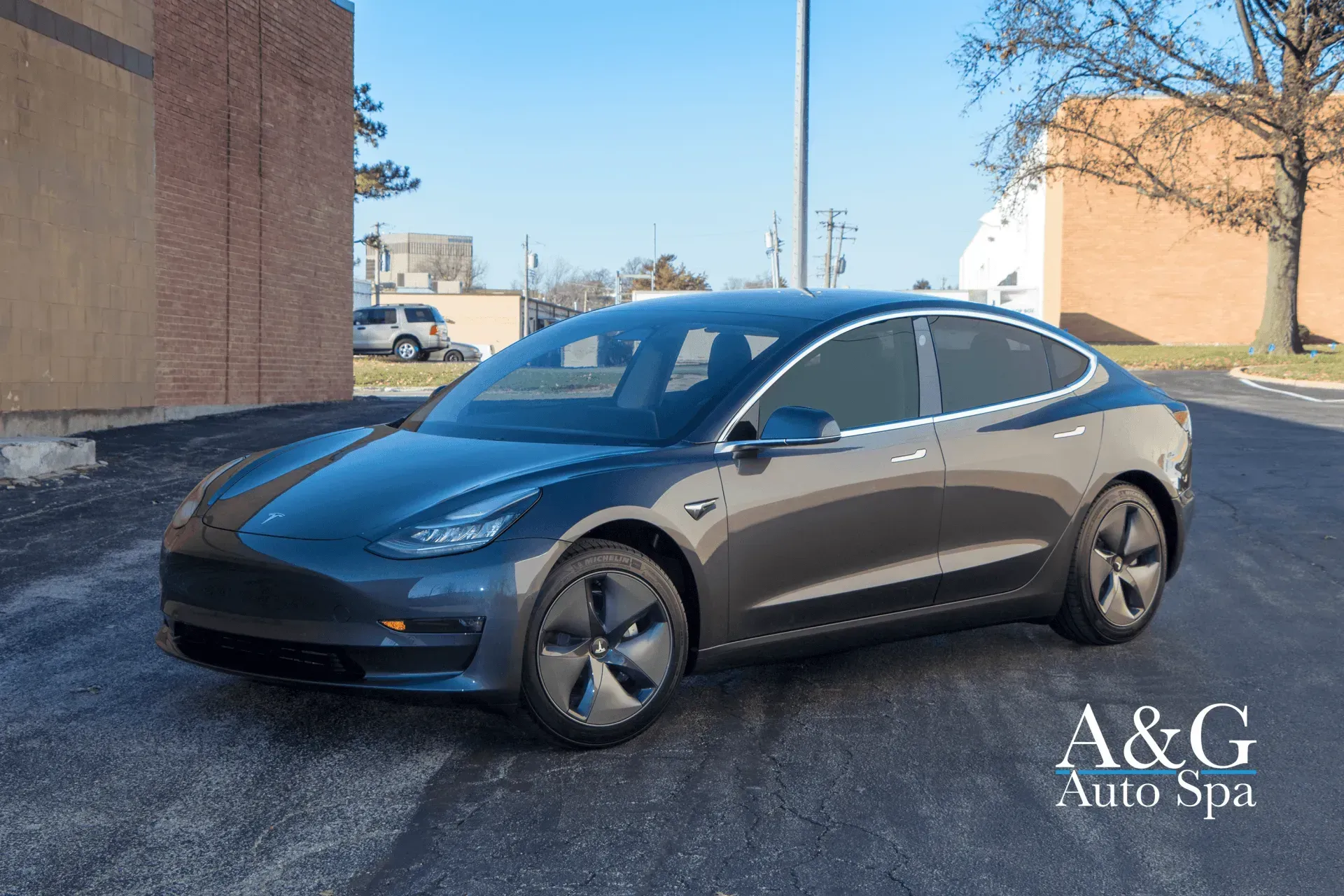
Luxury sedans present unique opportunities for window tinting because owners typically prioritize both aesthetics and comfort. These vehicles often feature larger rear windows and substantial side glass, which means more surface area for heat and UV exposure.
The cabin experience matters tremendously in luxury vehicles. You're not just blocking the sun-you're creating an environment that matches the refinement of the interior. Many luxury sedan owners opt for darker tints on rear windows while keeping front windows lighter for visibility. This approach maintains that sophisticated look without compromising safety or legal compliance.
Privacy becomes a factor here, too. Business professionals who spend time in the backseat during calls or meetings value the discretion that quality tinting provides. The tint essentially extends the privacy of tinted rear glass forward, creating a cohesive appearance across the entire vehicle.
Heat rejection capabilities matter more in luxury sedans because these vehicles often have premium leather or high-end materials that can crack or fade from sun exposure. Quality ceramic tint protects your investment in ways that go beyond just keeping the cabin cooler.
Sports Cars: Performance and Style Integration
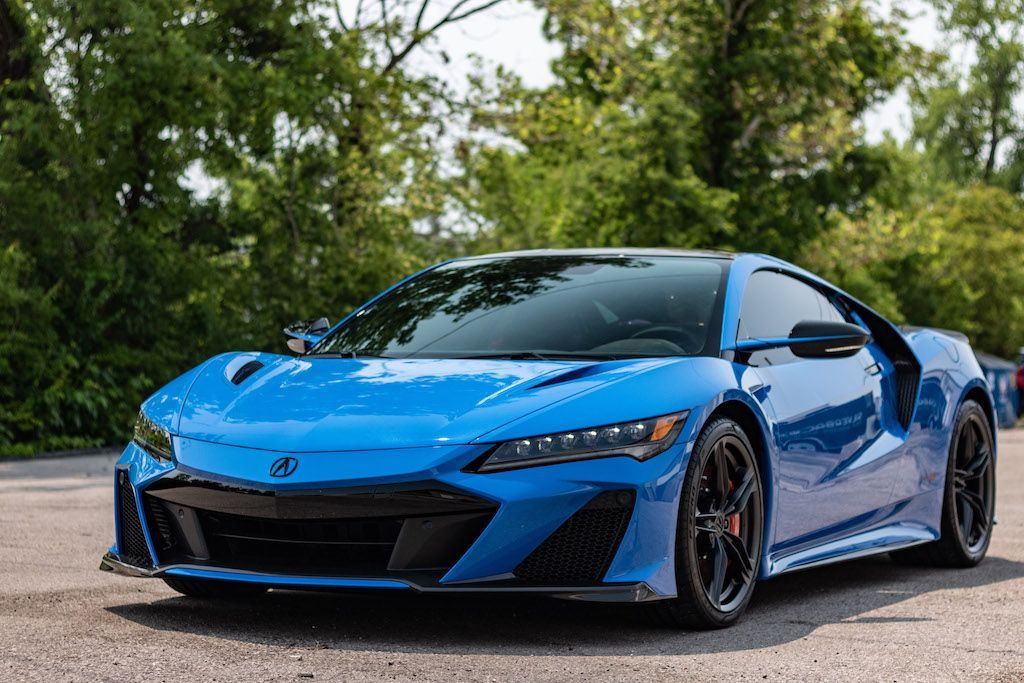
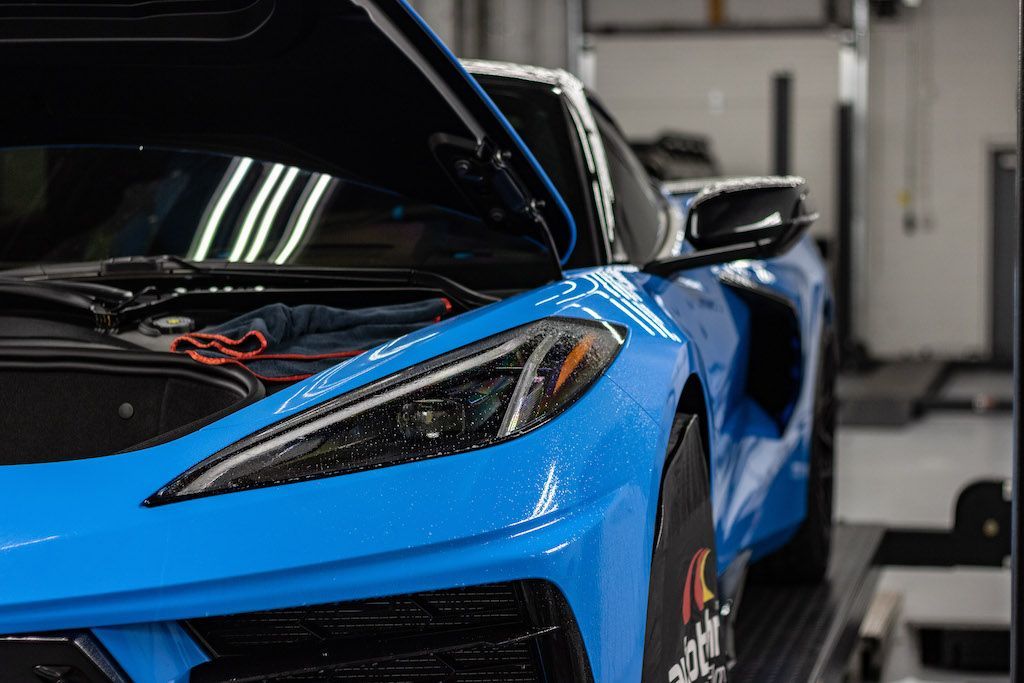
Sports cars demand window tinting by vehicle type considerations that balance aggressive aesthetics with the practicality of smaller window surfaces. These vehicles typically have more compact windows, lower rooflines, and designs that already incorporate sleek lines.
The styling aspect can't be ignored. Sports car owners want their tint to enhance the vehicle's aggressive character rather than soften it. Darker tints often complement the bold design language of performance vehicles, creating visual continuity between the glass and the body lines.
Here's what makes sports car tinting distinct:
- Smaller rear windows mean less heat buildup compared to larger vehicles
- Low-profile glass requires precise installation around curves and angles
- Many sports cars have factory-tinted glass that needs consideration
- Convertible sports cars have unique requirements we'll cover separately
Temperature control still matters despite smaller windows. Sports cars with dark interiors and performance seats can get uncomfortably hot, and the limited airflow from smaller cabins means every bit of heat rejection helps during the summer months.
SUVs and Crossovers: Maximum Coverage Considerations
SUVs and crossovers represent the most popular category for window tinting by vehicle type, and for good reason. These vehicles have massive glass surfaces, multiple rows of seating, and families who spend significant time inside during road trips and daily commutes.
The sheer amount of glass on modern SUVs means heat and UV exposure affect passengers differently depending on where they sit. Third-row passengers in large SUVs often deal with intense sun exposure through rear glass, making rear tinting particularly valuable for family comfort.
Many SUV owners choose graduated tinting approaches-lighter on front windows for driver visibility, progressively darker toward the rear. This strategy provides maximum protection where passengers need it most while maintaining the driver's clear sight lines.
Cargo privacy matters for SUV owners, too. Window tinting services help conceal valuables stored in rear cargo areas, adding a security layer beyond just comfort and UV protection. This consideration becomes especially relevant for SUVs used for camping, sporting events, or business purposes, where equipment stays in the vehicle.
Panoramic sunroofs and large moonroofs common in modern SUVs create additional heat concerns. While not technically window tinting, many SUV owners discover that addressing overhead glass makes a noticeable difference in cabin temperature.
Pickup Trucks: Practicality Meets Personal Style
Pickup trucks present interesting window tinting by vehicle type scenarios because owners use them for everything from work sites to family transportation. The cab configuration-regular, extended, or crew-dramatically changes how much glass you're working with.
Work truck owners often prioritize durability and heat rejection over aesthetics. These vehicles sit in construction sites and outdoor work environments where the cab becomes an office. Effective tinting makes those lunch breaks and paperwork sessions more bearable during hot months.
Personal-use trucks lean more toward style integration. Lifted trucks with aggressive styling benefit from darker tints that match the overall aesthetic. The larger windows in crew cab trucks offer a substantial tinting surface that can dramatically change the vehicle's appearance.
Rear sliding windows in many trucks create unique considerations:
- The sliding mechanism must maintain smooth operation after tinting
- Exposure to elements requires durable tint film
- Interior tool storage benefits from privacy tinting, which provides
- Dust and debris from truck beds can affect rear window longevity
The higher seating position in trucks means the sun angle hits differently than in sedans. Side windows experience more direct exposure during certain times of day, making quality heat-rejecting tint particularly valuable for driver comfort.
Convertibles: Special Circumstances and Solutions
Convertibles represent the most specialized category for window tinting by vehicle type because the removable or retractable top changes everything about how you approach glass treatment. The relationship between the top and the windows creates unique challenges.
With the top down, your side windows become more exposed to elements than any other vehicle type. The tint needs to withstand constant sun exposure, wind, and temperature fluctuations that other vehicles don't experience. This reality makes film quality and proper installation absolutely critical.
Convertible owners often face these specific considerations:
- Side windows need to match the aesthetic, whether the top is up or down
- Rear windows in soft-top convertibles may have a different material than glass
- Hard-top convertibles with glass rear windows follow more standard tinting approaches
- Wind deflection when driving with windows down affects tint durability over time
The visual continuity between your convertible top color and your window tint matters more than in other vehicles. A tan or brown top might look odd with extremely dark windows, while black tops pair well with darker tints. This aesthetic coordination helps maintain the intentional design of the vehicle.
Many convertible owners discover that even modest tinting improves the top-down driving experience by reducing glare from side angles that wouldn't matter in closed vehicles.
Matching Tint Style to Vehicle Purpose
Understanding window tinting by vehicle type also means considering how you actually use your vehicle. Daily commuters have different needs than weekend adventure vehicles, and those differences should influence your tinting choices.
Vehicles used primarily for business benefit from professional-looking tint that doesn't draw unnecessary attention. You want privacy and comfort without looking like you're trying too hard. Medium tint percentages that comply with local regulations while still providing UV and heat protection make sense here.
Family vehicles prioritize passenger comfort across all seating positions. Parents quickly learn that keeping kids comfortable during drives prevents meltdowns and makes everyone's life easier. Protecting rear passengers from sun exposure becomes a practical investment in peaceful road trips.
Performance and enthusiast vehicles allow more aggressive tinting choices because the aesthetic impact matters as much as the function. These owners understand their vehicle makes a statement, and the tinting should enhance rather than contradict that message.
Finding Your Perfect Tint Match
The beauty of window tinting by vehicle type is that there's no single "correct" answer. Your perfect tint depends on your specific vehicle, your climate, how you use the vehicle, and your personal preferences. What works for a luxury sedan owner in Maryland Heights won't necessarily suit a work truck owner with different priorities.
Missouri's window tinting regulations permit a wide range of options, giving vehicle owners flexibility to customize based on their specific needs. This freedom means you can truly optimize tinting for your vehicle type rather than settling for one-size-fits-all solutions.
Professional consultation helps navigate these choices because experienced technicians understand how different films perform on different vehicle types. Working with professionals who have extensive experience across various makes and models ensures you get optimal results for your specific vehicle.
Get Expert Guidance for Your Vehicle
Your vehicle deserves window tinting by vehicle type consideration that accounts for its unique design and your specific needs. Whether you drive a luxury sedan, sports car, SUV, pickup truck, or convertible, professional guidance ensures you get tinting that looks great and performs even better. Connect with A&G Auto Spa to discuss your specific vehicle and discover which tinting options will work best for your situation.
Frequently Asked Questions
Does vehicle type affect window tinting installation time?
Vehicle type significantly impacts installation time for window tinting by vehicle type applications. Compact cars with fewer, smaller windows typically take less time than large SUVs with multiple rows and substantial glass surfaces. Sports cars with curved glass and complex window shapes may require additional time for precise fitting. Pickup trucks with sliding rear windows need special attention to maintain functionality. The number of windows, their size, and their complexity all factor into installation duration.
Can I use the same tint percentage on all my vehicle's windows?
While you can technically apply the same tint percentage across all windows, window tinting by vehicle type considerations suggests varying percentages often work better. Many vehicle owners choose lighter tints on front windows for visibility and compliance with regulations, while going darker on rear windows for privacy and passenger comfort. Different vehicle types handle this differently-SUVs often benefit from graduated tinting due to multiple seating rows, while sports cars might maintain consistency for aesthetic reasons. Missouri regulations permit various configurations, allowing customization based on your vehicle type and preferences.
How does window tinting affect resale value across different vehicle types?
Professional window tinting by vehicle type contributes to vehicle presentation when done properly. Luxury vehicles often feature quality tinting since buyers expect premium features and protection. Sports cars showcase aesthetic enhancements that complement their performance character. SUVs and family vehicles demonstrate the practical benefits tinting provides for passenger comfort. Pickup trucks used for work display the professional appearance quality that tinting creates. The key is choosing appropriate tint levels that appeal to potential buyers in your vehicle category rather than extreme choices that might not suit all preferences.
What happens if I switch between vehicle types-do I need different tinting approaches?
Switching between vehicle types absolutely requires reconsidering your window tinting by vehicle type approach. Moving from a sedan to an SUV means accounting for significantly more glass surface and different passenger configurations. Switching from a convertible to a hardtop vehicle eliminates certain durability concerns while introducing others. Pickup trucks have different functional requirements than sports cars, even if owned by the same person. Your tinting professional can help you understand how your new vehicle type's characteristics should influence your tinting decisions, ensuring you get optimal results regardless of what you're driving.