
Cleaning Tinted Windows the Right Way Without Damaging the Film
You invested in quality window tint. The heat rejection is working. The interior feels cooler. Everything looks great. But now dust and fingerprints have accumulated, and you're standing there with a bottle of glass cleaner wondering if it's safe to use.
That hesitation is smart. The wrong cleaning products and techniques can absolutely damage window film over time. And once that damage happens, you're looking at bubbling, discoloration, or deteriorating film that defeats the whole purpose of your investment.
Understanding how to clean tinted car windows correctly protects what you paid for. The good news is that proper cleaning isn't complicated. It just requires knowing what works and what doesn't, then following simple habits that keep your tint looking right for years.
At A&G Auto Spa, we want your tint investment to last. Here's the practical guidance you need to clean your tinted windows safely and effectively.
Why Tinted Windows Need Different Care
Before we get into technique, it helps to understand why tinted windows require attention that regular glass doesn't.
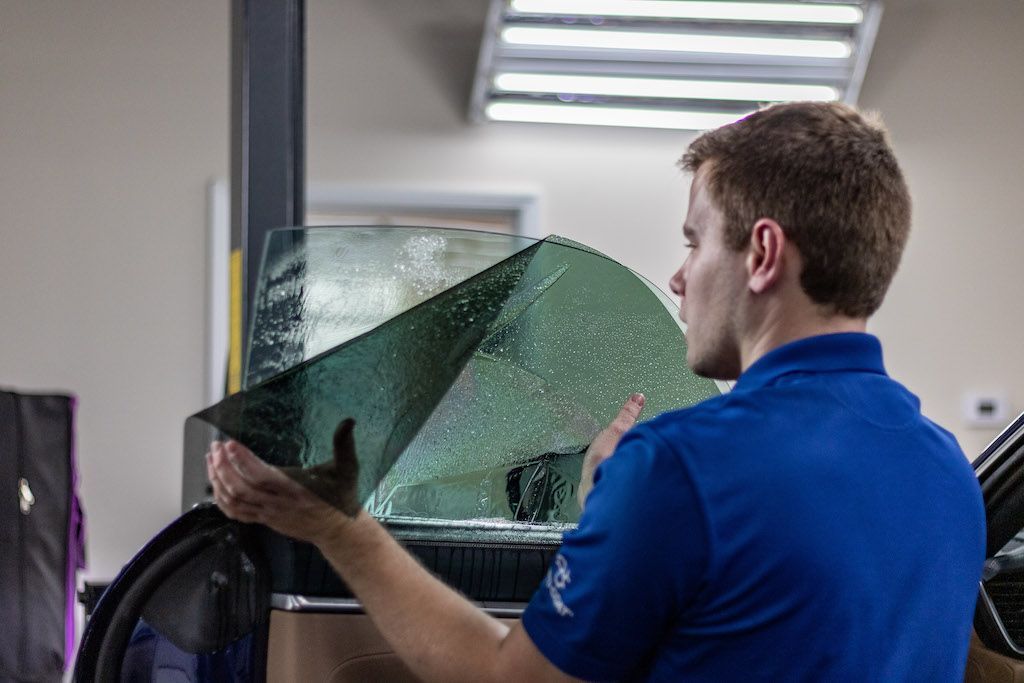
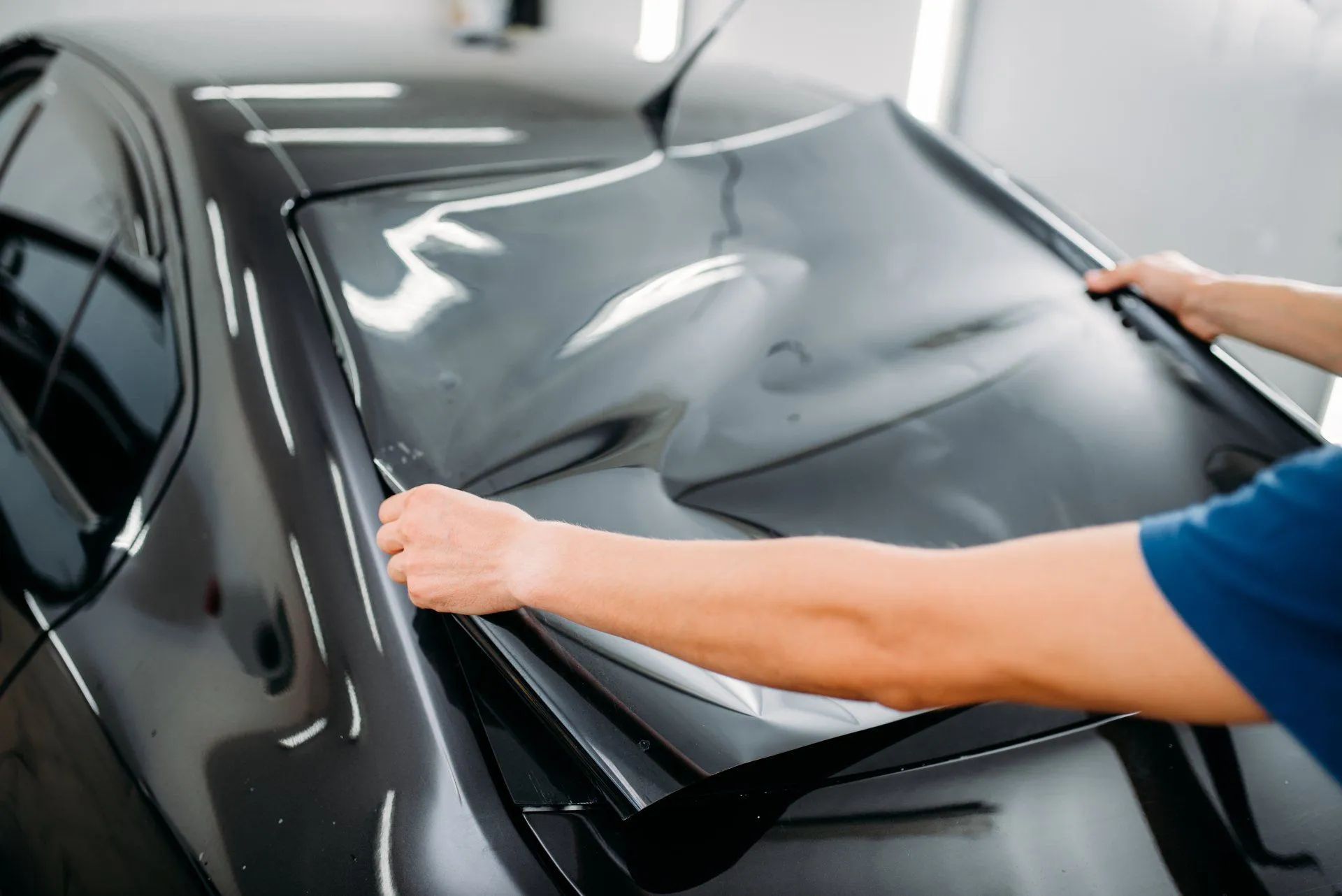
Window tint is a film applied to the interior surface of your glass. Unlike the glass itself, this film can be affected by certain chemicals and abrasive materials. What would be harmless on bare glass might degrade the film over time.
The film surface is more delicate than glass. It can be marked by rough materials. Certain solvents can break down the adhesive layer or cause the film itself to cloud, bubble, or peel. Heat from direct sunlight combined with the wrong products can accelerate damage.
This doesn't mean tinted windows are fragile. Quality film is engineered for durability. But it does mean you should handle the interior surface with appropriate care rather than assuming whatever works on exterior glass will work here too.
What Products to Avoid
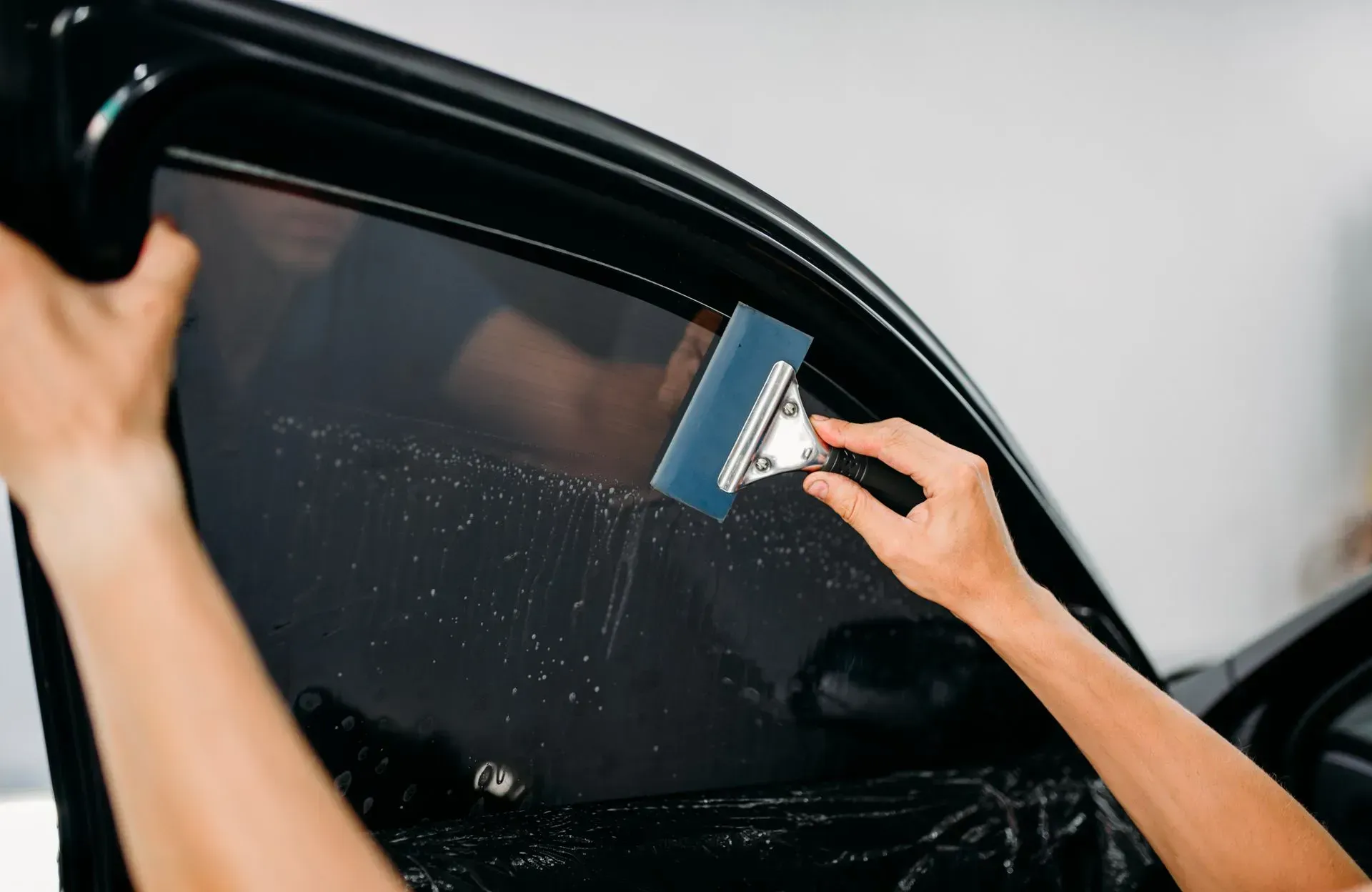
Let's start with what not to use. These are the products and ingredients that can damage window film over time.
Ammonia-based cleaners. This is the big one. Many common glass cleaners contain ammonia because it cuts through grime effectively. But ammonia can break down the adhesive that bonds film to glass. Over time, this leads to bubbling, peeling, and film failure. If a product contains ammonia, keep it away from your tinted windows.
Abrasive cleaners or scrubbing compounds. Anything designed to scrub or scour can mark the film surface. Even mild abrasives that seem harmless on glass can leave fine marks on film that affect clarity over time.
Rough towels or paper products. Paper towels, newspaper, and rough cloth can create fine surface marks on film. These marks might not be obvious immediately, but they accumulate and eventually affect how cleanly light passes through your windows.
Harsh chemical solvents. Products designed to cut through heavy grease, adhesive residue, or industrial grime often contain solvents strong enough to damage film. These belong in the garage, not on your tinted windows.
The pattern here is simple. Anything abrasive, ammonia-based, or chemically aggressive should stay away from your tinted surfaces.
What Products Work Safely
Now for what actually works. These options clean effectively without risking your film.
Ammonia-free glass cleaner. This is your best general choice. Many automotive-specific glass cleaners are formulated without ammonia precisely because of tint concerns. Check the label to confirm ammonia-free formulation before using.
Mild dish soap and water. A few drops of gentle dish soap in water creates an effective cleaning solution that won't harm film. This is the safest option if you're uncertain about commercial products.
Plain water with a quality microfiber cloth. For light dust and fingerprints, plain water often does the job. The microfiber cloth does the lifting work while water provides the moisture needed to release contamination from the surface.
Dedicated tint-safe cleaners. Some products are specifically marketed for tinted windows. These are formulated to be effective without the ingredients that damage film. If you want a dedicated solution, look for products explicitly labeled as tint-safe.
The common element in all these options is gentleness. Effective cleaning doesn't require aggressive chemistry. Mild products combined with proper technique handle most cleaning situations.
The Right Technique for How to Clean Tinted Car Windows
Products matter, but technique matters just as much. Here's how to clean tinted windows without causing problems.
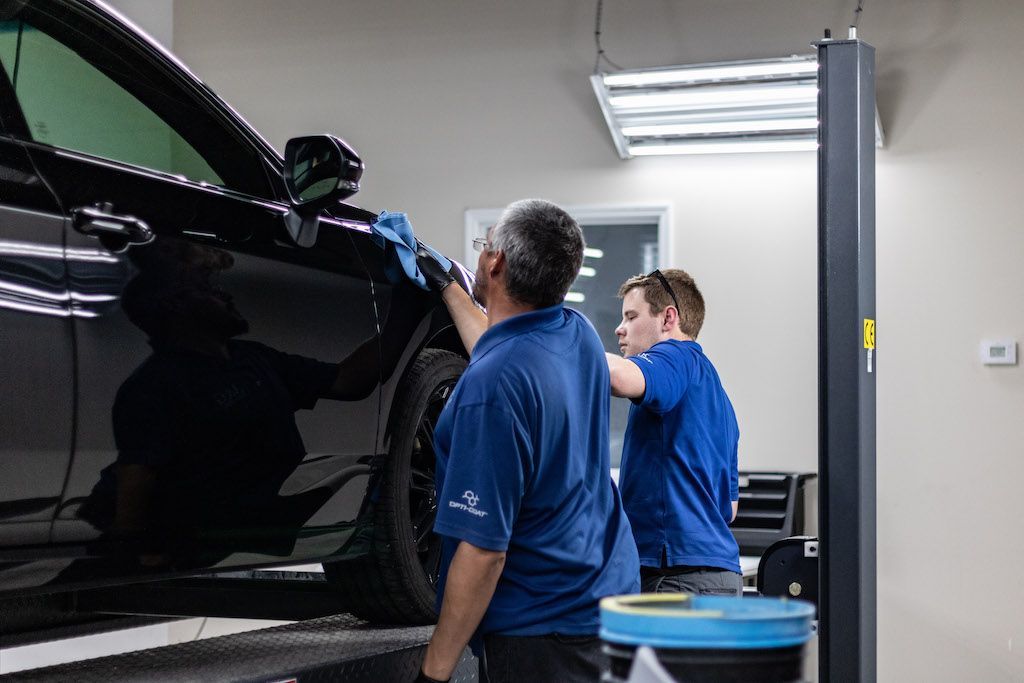
Start by removing loose dust. Before applying any liquid, wipe down the surface gently with a dry microfiber cloth. This removes loose particles that could otherwise get dragged across the surface and cause marks.
Spray the cloth, not the glass. This is an important habit. Spraying directly on the window can cause cleaner to pool at edges where film meets trim. That pooled liquid can seep under edges and affect adhesive over time. Instead, spray your cleaning solution onto your microfiber cloth, then wipe the glass with the damp cloth.
Use light pressure. You don't need to scrub. Let the cleaning solution and microfiber do the work. Heavy pressure doesn't clean better and can stress the film surface. Light, even pressure is sufficient for most cleaning.
Wipe in straight lines. Circular motions can create swirl patterns visible in certain lighting. Straight horizontal or vertical strokes produce a more uniform result. Work systematically across the surface rather than scrubbing randomly.
Dry with a second clean microfiber. After cleaning, go over the surface with a dry microfiber cloth to prevent streaking. This removes any remaining moisture and cleaner residue, leaving the glass clear.
Pay attention to edges. The edges where film meets trim or window frames deserve careful attention. Avoid pushing liquid into these seams. Don't pick at edges or lift corners. These areas are where damage most commonly starts if cleaning is done carelessly.
Dealing with Stubborn Contamination
Sometimes basic cleaning isn't enough. Here's how to handle tougher situations safely.
Stuck-on bug residue. Soften first. Apply your cleaning solution and let it sit for a minute or two to loosen the residue. Then wipe gently. Don't scrape or use fingernails. If it doesn't come off easily, reapply solution and let it soak longer.
Fingerprint buildup. Multiple light passes work better than one aggressive scrub. Clean the area, let it dry, then clean again if needed. Layered gentle cleaning beats single harsh attempts.
Foggy or hazy appearance. If your windows look hazy after cleaning, residue from a previous product might be the cause. Clean with plain water and microfiber to remove any buildup, then follow with your ammonia-free cleaner.
Stubborn spots that won't budge. If something truly won't come off with safe methods, it's better to leave it than to damage your film trying aggressive removal. Consult a professional rather than risking permanent damage.
The theme is patience over force. Stubborn contamination responds better to repeated gentle cleaning than to aggressive single attempts that risk harming the film.
How Often to Clean
There's no fixed schedule for how to clean tinted car windows, but some general guidance helps.
Clean when windows are visibly dirty. Fingerprints, dust accumulation, and water spots are obvious signals that cleaning is due. Don't let contamination build up heavily before addressing it.
Interior windows generally need less frequent cleaning than exterior glass. They're protected from road spray, rain, and airborne contamination. Monthly cleaning is often sufficient for interior tinted surfaces unless you have specific circumstances creating faster buildup.
Avoid over-cleaning. Excessive cleaning doesn't help and increases the chance of eventually causing problems through accumulated handling. Clean when needed, not on an arbitrary schedule.
The First Weeks After Installation
If your tint was recently installed, cleaning requires extra caution during the curing period.
New tint needs time to cure fully. The adhesive layer bonds with the glass over days or weeks depending on conditions. During this period, the film is more vulnerable to disturbance.
Avoid cleaning new tint for at least a week after installation, longer if conditions are cool or humid. Your installer should provide specific guidance for your situation. When you do clean for the first time, be particularly gentle.
Small water bubbles or hazy appearance during the curing period is normal. These typically resolve on their own as the film cures. Don't try to push them out or clean them away. Let the curing process complete naturally.
Maintaining Your Investment
Proper cleaning is part of maintaining the investment you made in window tinting. But it's not the only consideration.
Avoid adhesive materials on tinted surfaces. Stickers, suction cups, and tape can all leave residue or damage film when removed. If you must attach something to tinted glass, research safe options first.
Be careful with sharp objects near tinted windows. Seatbelt buckles swinging freely, keys on lanyards, and similar items can mark film if they contact the surface with force.
Park in shade when possible. While quality tint is engineered for sun exposure, reducing unnecessary heat stress extends the life of any film.
Address problems early. If you notice bubbling, peeling, or discoloration, have it evaluated promptly. Small problems are easier to address than major film failure.
When to Seek Professional Help
Some situations warrant professional attention rather than DIY attempts.
Significant contamination that won't respond to safe cleaning methods belongs in professional hands. Detailers have techniques and products that exceed typical consumer options.
Film damage, even minor, should be evaluated professionally. What looks like a cleaning problem might actually be film failure that needs repair or replacement.
If you're uncertain whether a product or method is safe, ask first. Contact the professionals who installed your tint rather than experimenting and potentially causing damage.
Clean Tint, Lasting Investment
Understanding how to clean tinted car windows correctly protects your investment and keeps your windows looking great. The guidance is simple: use gentle, ammonia-free products with soft microfiber cloths, apply light pressure, and pay attention to edges and curing time.
Your tint was installed to provide lasting benefits. Proper cleaning ensures those benefits continue rather than being undermined by well-intentioned but damaging maintenance habits.
Questions About Tint Care
Have questions about maintaining your window tint or ready to invest in quality window tinting for your vehicle? Contact A&G Auto Spa to discuss your situation. We're happy to provide care guidance for existing tint or help you understand what professional installation delivers for vehicles that aren't yet protected.
Frequently Asked Questions
Can I use regular glass cleaner on my tinted windows?
Most regular glass cleaners contain ammonia, which can damage window film over time. Check the label before using any glass cleaner on tinted surfaces. If it lists ammonia or ammonium compounds in the ingredients, don't use it on your tint. How to clean tinted car windows safely means using ammonia-free cleaners specifically or mild alternatives like diluted dish soap. When in doubt, choose products explicitly labeled as safe for tinted windows.
How soon after installation can I clean my new window tint?
Wait at least one week before cleaning newly installed tint, and longer if weather conditions are cool or humid. New film needs time for the adhesive to cure and bond fully with the glass. Cleaning too soon can disturb this bonding process. Your installer should provide specific timing guidance based on your local conditions. When you do clean for the first time, use an extra-gentle technique.
Why does my tinted window look hazy after I clean it?
Hazy appearance after cleaning usually means product residue remains on the surface. Some cleaners leave a film that catches light and creates haze. Try cleaning with plain water and a clean microfiber cloth to remove buildup, then dry thoroughly. If haze persists despite proper cleaning, the issue might be film degradation rather than surface residue. Have a professional evaluate persistent haze that doesn't respond to cleaning.
What kind of cloth should I use to clean tinted windows?
High-quality microfiber cloths are the best choice for cleaning tinted windows. They're soft enough to avoid marking the film surface while being effective at lifting contamination. Avoid paper towels, newspaper, and rough cotton cloths. Use separate microfiber cloths for cleaning (damp) and drying to prevent streaking. Wash your microfiber cloths regularly without fabric softener, which can reduce their effectiveness.
My tint has small bubbles after cleaning. Is it damaged?
Small bubbles appearing after cleaning could indicate several things. If the tint is new, minor bubbles are normal during the curing period and typically resolve on their own. If the tint is fully cured and bubbles appeared after cleaning, liquid may have reached the adhesive layer through an edge. Avoid pressing on bubbles or trying to squeeze them out. Have a professional evaluate new bubbles on established tint to determine whether the film needs attention.