Ceramic Coating Explained: What It Actually Does for Your Car's Finish
You've heard the term ceramic coating mentioned when discussing vehicle care. Maybe a friend recommended it, or you noticed it while researching paint protection options. But what exactly is it, and what does it actually do? Understanding how ceramic coating works helps you decide whether it makes sense for your vehicle.
This isn't a sales pitch. It's an explanation of what the product is, how it interacts with your paint, and what practical benefits it delivers. By the end, you'll understand the basics well enough to have an informed conversation about whether ceramic coating fits your needs.
At A&G Auto Spa, we find that customers who understand the product make better decisions about their vehicles. Let's start with the fundamentals.
What Ceramic Coating Actually Is
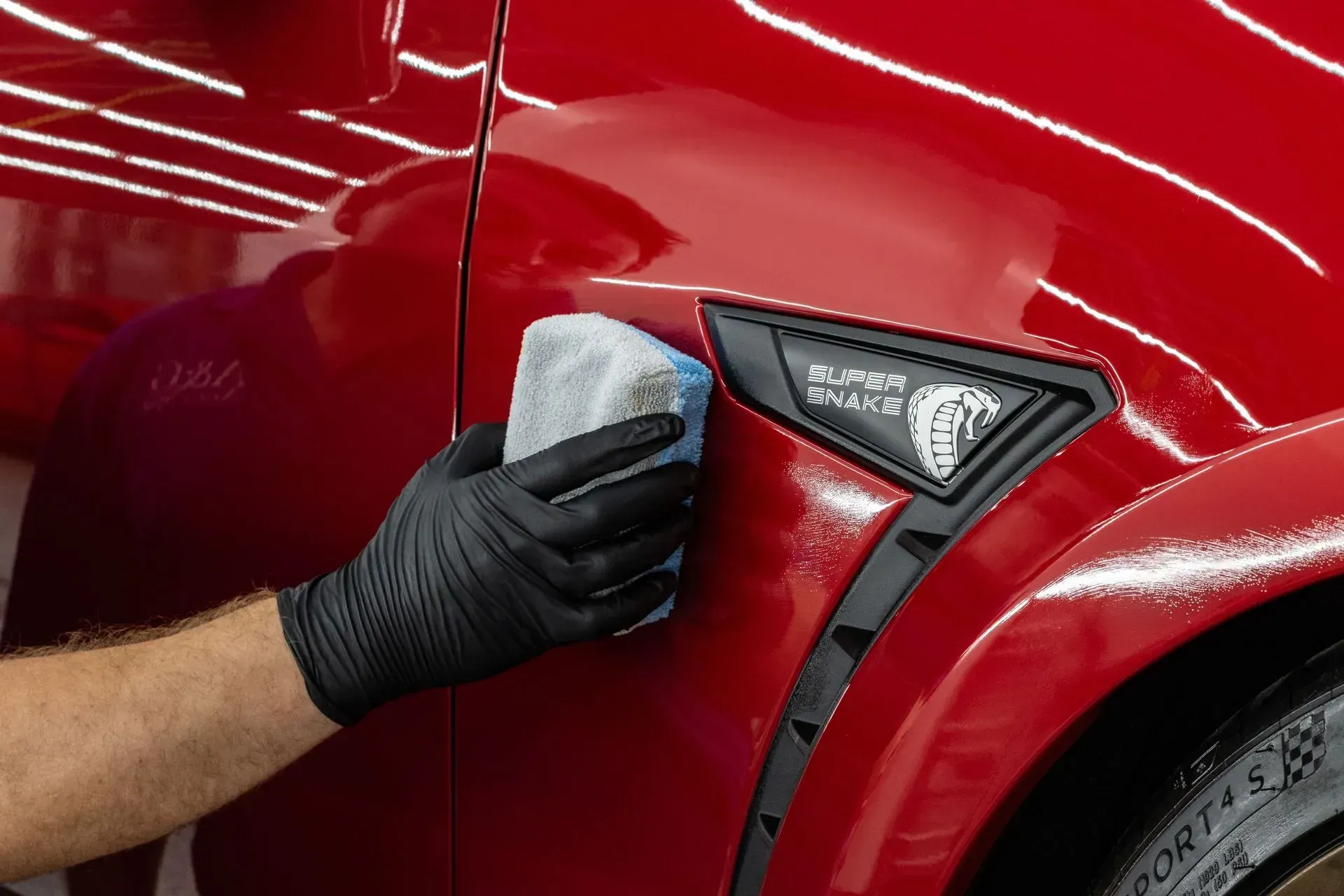
Ceramic coating is a liquid polymer that chemically bonds with your vehicle's factory paint. Once cured, it creates a semi-permanent protective layer over the clear coat. The term "ceramic" refers to silicon dioxide (SiO₂ ) or similar compounds that form the coating's protective matrix.
Think of it as an additional transparent layer sitting on top of your paint. Your clear coat protects the color underneath. The ceramic coating protects the clear coat. This added layer handles environmental exposure so your paint doesn't have to.
The coating isn't a film you can peel off or a wax that washes away over time. It bonds at the molecular level with the paint surface, becoming part of the finish rather than sitting loosely on top. This chemical bond is what separates ceramic coating from traditional protection products.
How the Bonding Process Works
Understanding how ceramic coating works requires knowing what happens during application and curing.
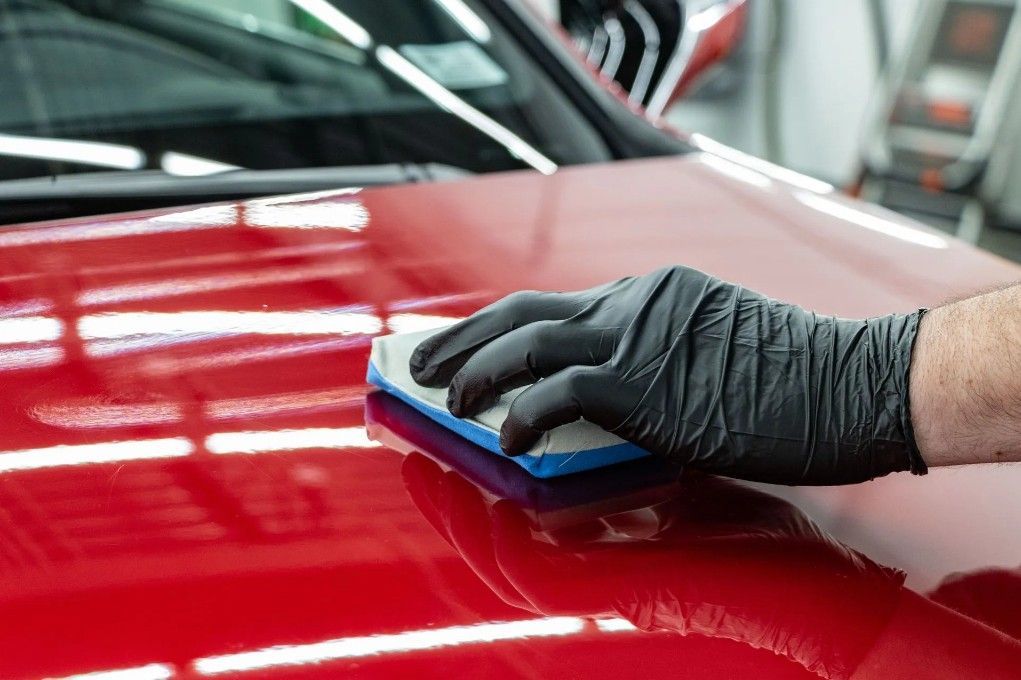
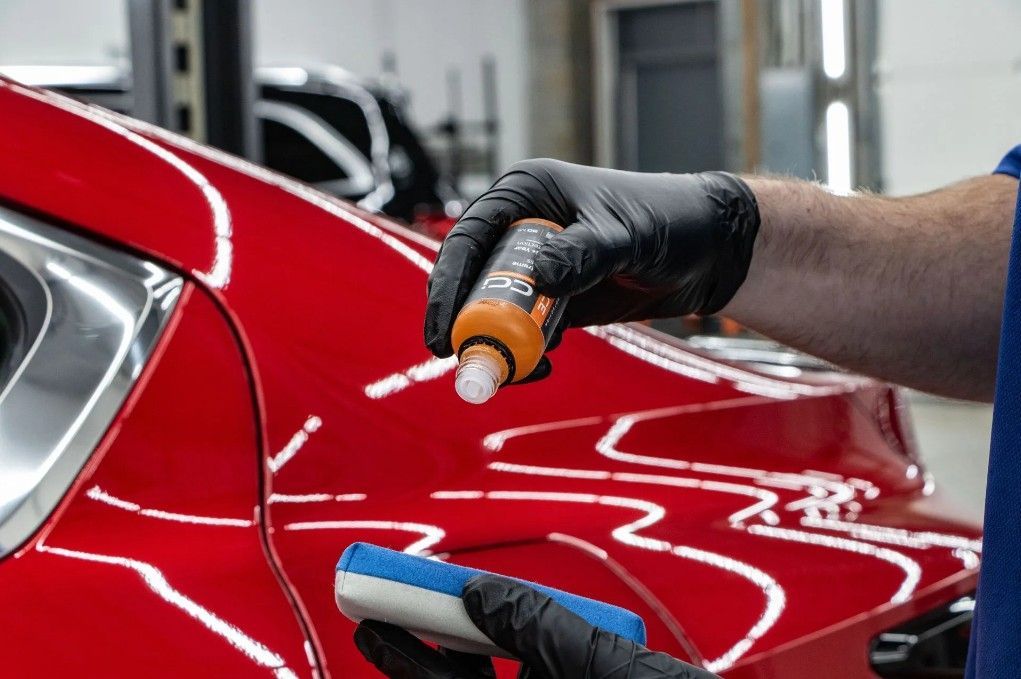
When the liquid coating contacts your paint, the silicon dioxide molecules link with your clear coat molecules, creating cross-linked bonds. This isn't simple adhesion. It's chemical integration where coating and paint become interconnected.
The curing process completes this bonding. As the coating cures, the molecular structure solidifies into a hardened protective layer. Once fully cured, the coating cannot be washed off. Removing it requires mechanical abrasion. This permanence means whatever paint condition exists when applied becomes locked in place.
This is why professional applications typically include paint correction beforehand.
What the Coating Does Day to Day
The practical benefits become apparent in daily vehicle ownership.
Creates a hydrophobic surface. The coating repels water dramatically. Water beads tightly and rolls off rather than spreading in sheets. Rain helps clean your vehicle rather than leaving dirty residue. Water spots form less frequently because water doesn't sit long enough to deposit minerals.
Makes cleaning significantly easier. Dirt doesn't bond as aggressively to a coated surface. When you wash, dirt releases more easily with less scrubbing and less effort.
Reduces washing frequency. Coated vehicles stay cleaner longer between washes. The process takes less time when you do wash.
Eliminates the need for waxing. Traditional wax requires reapplication every few months. Ceramic coating provides continuous protection without periodic reapplication.
Enhances gloss and depth. Colors appear more saturated. The finish looks wetter and more reflective, and this appearance persists over time.
Provides UV protection. The coating blocks ultraviolet radiation that causes paint to fade and oxidize.
What Ceramic Coating Does Not Do
Understanding how ceramic coating works also means understanding its limitations.
The coating does not make your paint impervious to all damage. It improves resistance to environmental threats, not immunity. The coating does not eliminate washing entirely. Your vehicle still gets dirty, though maintenance becomes easier. The coating does not repair existing paint damage. Imperfections present before application remain visible, which is why surface preparation matters so much.
Why Vehicle Owners Choose Ceramic Coating
Why do owners choose ceramic coating? The reasons typically involve time, effort, and long-term thinking.
Time savings accumulate. Easier and less frequent washing means fewer hours spent on maintenance annually. Effort reduction matters. Dirt releases without aggressive scrubbing, making maintenance more pleasant. Appearance stays consistent. Rather than wax degrading between applications, coated vehicles maintain consistent gloss. Long-term value. Protected paint means better appearance throughout ownership and potentially better presentation at resale.
Professional Application Matters
Understanding how ceramic coating works includes recognizing why professional application delivers better results.
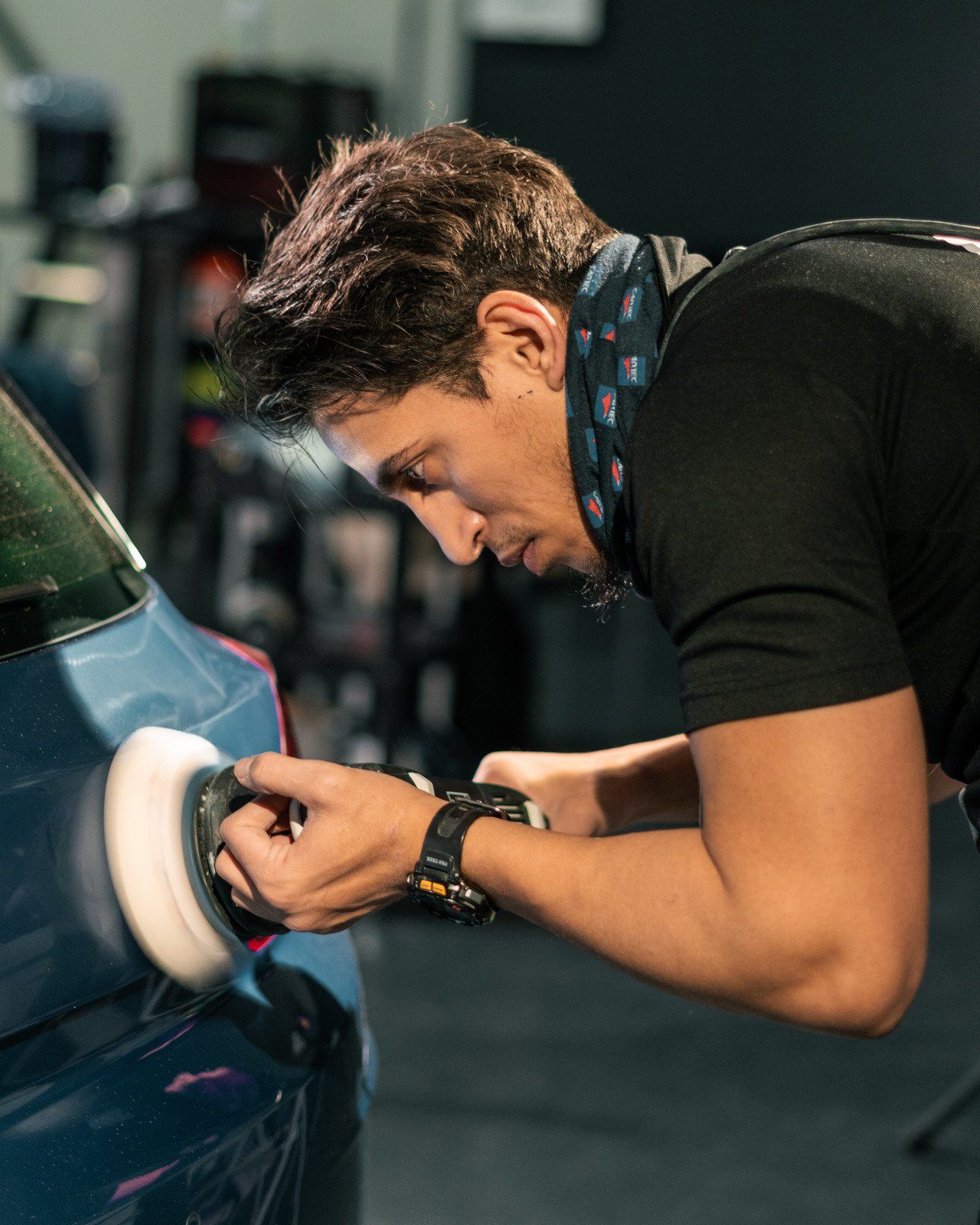
The bonding process requires proper surface preparation. Contamination or existing damage interferes with molecular bonding. Professional detailing facilities ensure surfaces are properly decontaminated and corrected, maintain controlled environments, and employ trained technicians who understand these variables. The coating locks in whatever exists underneath, so professional preparation ensures what gets locked in is worth preserving.
Starting Your Ceramic Coating Journey
You now understand the fundamentals of how ceramic coating works: the chemical bonding process, the daily benefits of easier cleaning and enhanced appearance, and the realistic expectations for what coating does and doesn't accomplish.
The next step is evaluating whether these benefits match your priorities. If easier maintenance, eliminating waxing, enhanced gloss, and protected paint condition appeal to you, ceramic coating may fit your needs.
Sands of Time
Button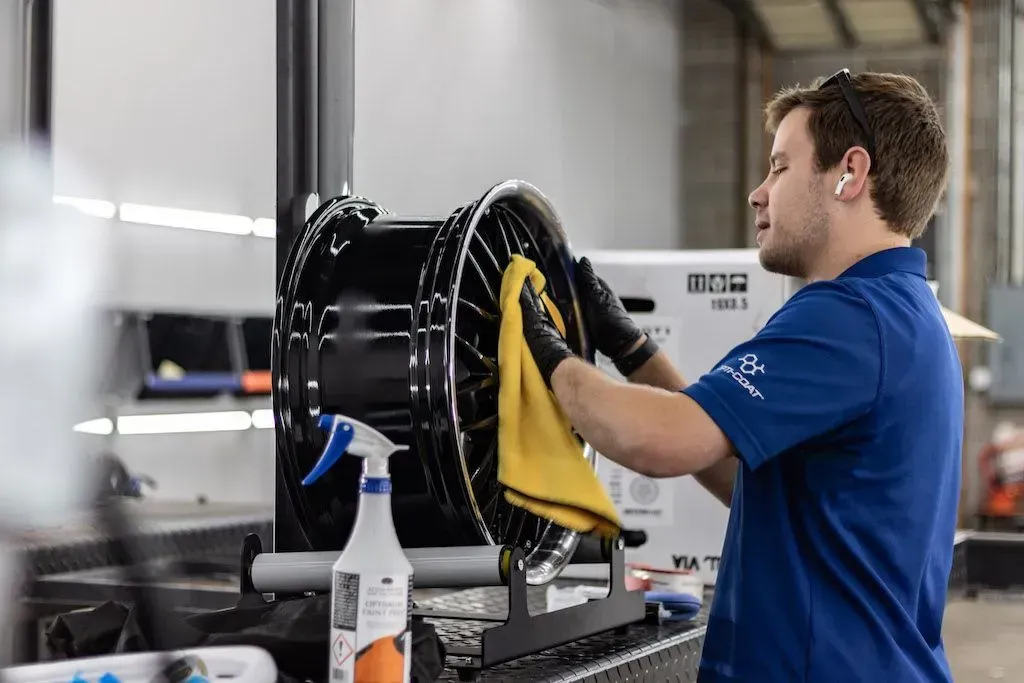
Learn More About Your Options
Questions about how ceramic coating works for your specific vehicle? Contact A&G Auto Spa to discuss ceramic coating options suited to your situation. We provide straightforward guidance without pressure, helping you understand what protection delivers for your specific vehicle and ownership plans.
Frequently Asked Questions
How is ceramic coating different from wax or sealant?
Wax and sealant sit on top of your paint without chemical bonding. They protect temporarily but wash away over weeks or months, requiring constant reapplication. How ceramic coating works differs fundamentally: it bonds chemically with your clear coat, becoming part of the finish. This bond lasts years rather than weeks, eliminating the reapplication cycle that traditional products require.
Can ceramic coating be applied to any vehicle?
Ceramic coating can be applied to virtually any vehicle with factory paint in reasonable condition. Older vehicles, newer vehicles, daily drivers, and weekend cars all benefit from coating protection. The key requirement is proper surface preparation. Vehicles with significant paint damage may need paint correction before coating application to ensure the protected surface looks its best.
How long does the application process take?
Professional ceramic coating application typically requires one to several days, depending on vehicle condition and coating system. This time includes thorough washing, decontamination, paint correction if needed, coating application, and initial curing. The extended timeline reflects the careful preparation that determines coating performance. Understanding how ceramic coating works explains why rushing the process compromises results.
Do I need to do anything special to maintain a coated vehicle?
Coated vehicles require regular washing with pH-neutral products designed for ceramic coatings. Avoid automatic car washes with harsh brushes. The coating makes washing easier, but washing remains necessary. Periodic professional maintenance helps maintain optimal coating performance over time. The maintenance burden is lighter than that of uncoated vehicles but not eliminated entirely.