How Many Years of Protection Can You Expect From Paint Protection Film?
Before committing to paint protection film, you want to know what your investment actually delivers over time. That's a reasonable expectation. Understanding how long does PPF last helps you evaluate whether the protection justifies the outlay and plan for your vehicle's long-term care.
The straightforward answer: quality paint protection film typically provides meaningful protection for five to ten years under normal conditions. That range exists because longevity depends on variables you control and variables determined by the film itself. Let's examine both categories so you can form realistic expectations for your specific situation.
At
A&G Auto Spa, we believe informed decisions serve everyone better than optimistic promises. Here's what actually influences how long your protection performs.
What Film Quality Determines
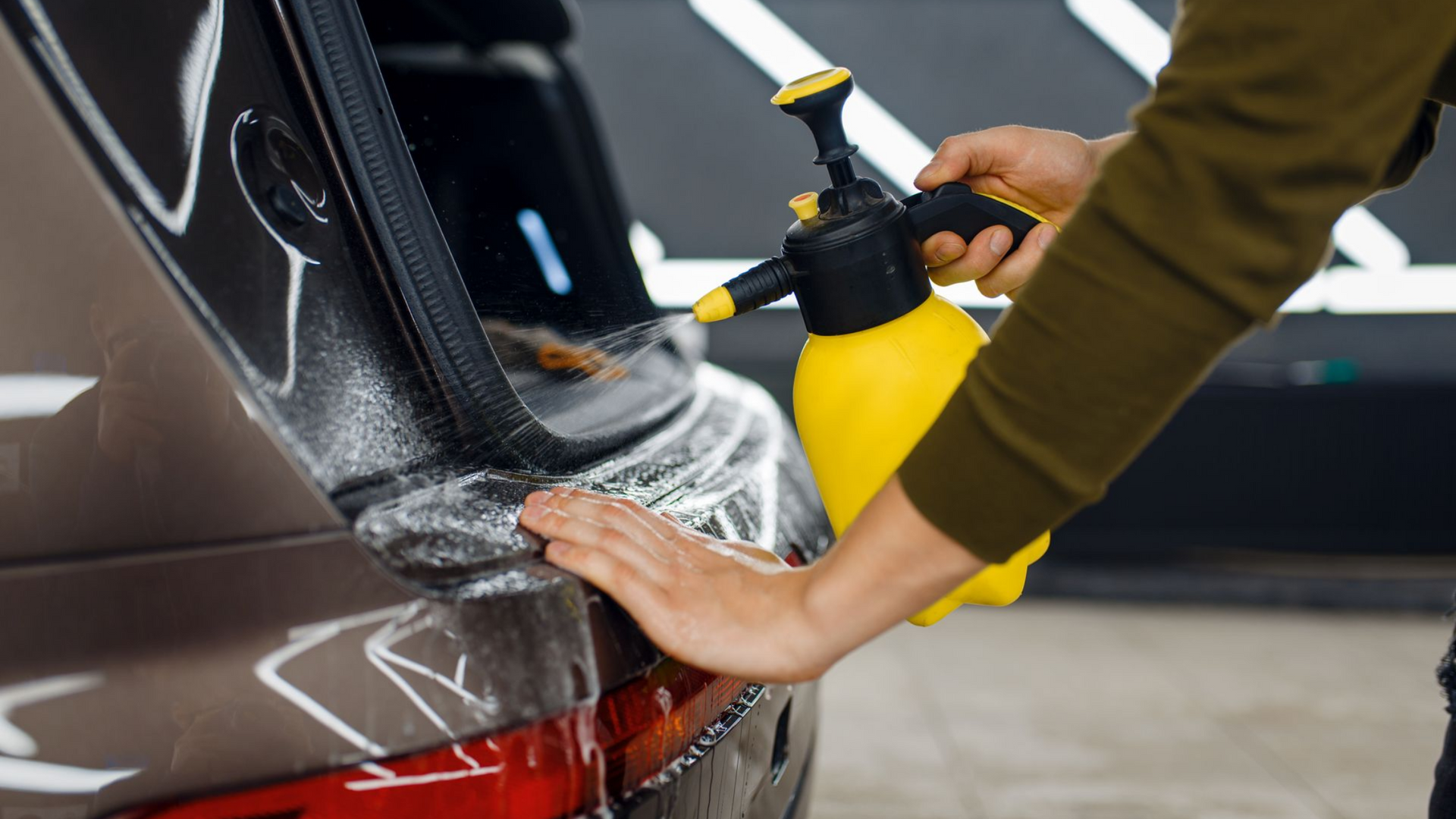
The paint protection film you select establishes the baseline for longevity. Not all films are engineered equally.
Premium films use advanced thermoplastic urethane formulations engineered for UV stability, flexibility retention, and adhesive longevity. Quality UV inhibitors prevent yellowing and maintain optical clarity. Superior adhesive systems remain stable through temperature cycles and chemical exposure. Premium self-healing top coats maintain their repair capability longer than basic alternatives.
These material factors establish your film's potential lifespan. Choosing based on initial cost rather than film quality typically results in shorter effective service life.
What Your Care Practices Determine
Material quality sets the ceiling. Your maintenance practices determine how close to that ceiling your film performs.
Washing habits affect film condition significantly. Harsh chemicals, abrasive media, and automated washes accelerate surface wear. Proper washing with pH-neutral products preserves film clarity. Contamination removal timing matters too. Bird droppings, tree sap, and insect residue can stain film if left in place. Prompt removal prevents permanent damage. Using products designed for protected surfaces maintains film performance without compatibility issues.
What Environmental Exposure Determines
Where and how you use your vehicle affects how long does PPF last regardless of film quality or care practices.
Climate intensity creates different demands. Intense sun climates deliver greater UV exposure. Extreme heat accelerates degradation. Salt exposure introduces additional chemical stress. Films in mild climates typically outlast identical films in harsh conditions.
Storage conditions matter significantly. Garage-kept vehicles avoid sun exposure during non-driving hours. A vehicle garaged every night experiences perhaps half the UV exposure of one parked outdoors, extending film life accordingly.
Professional Installation's Role in Longevity
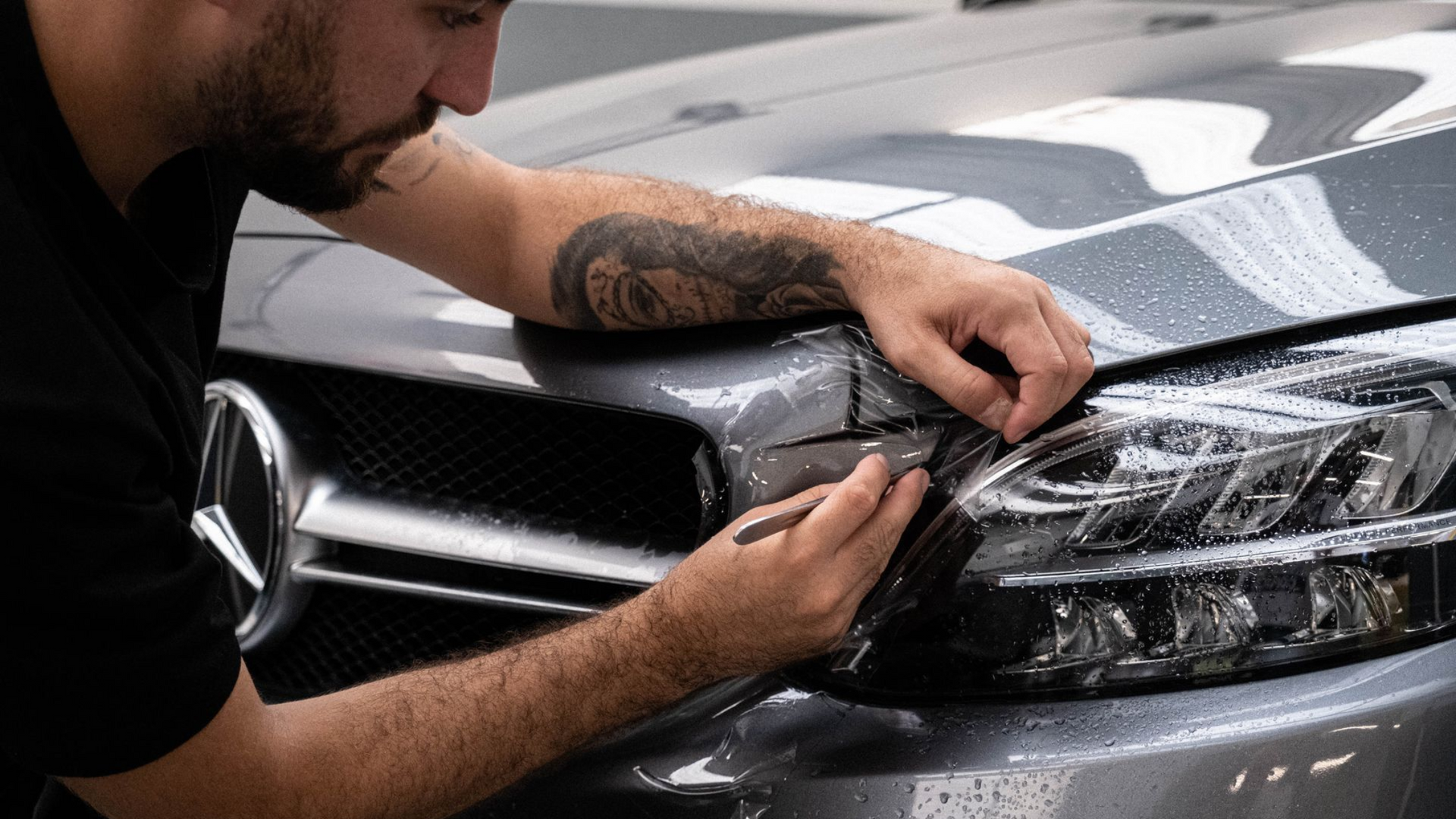
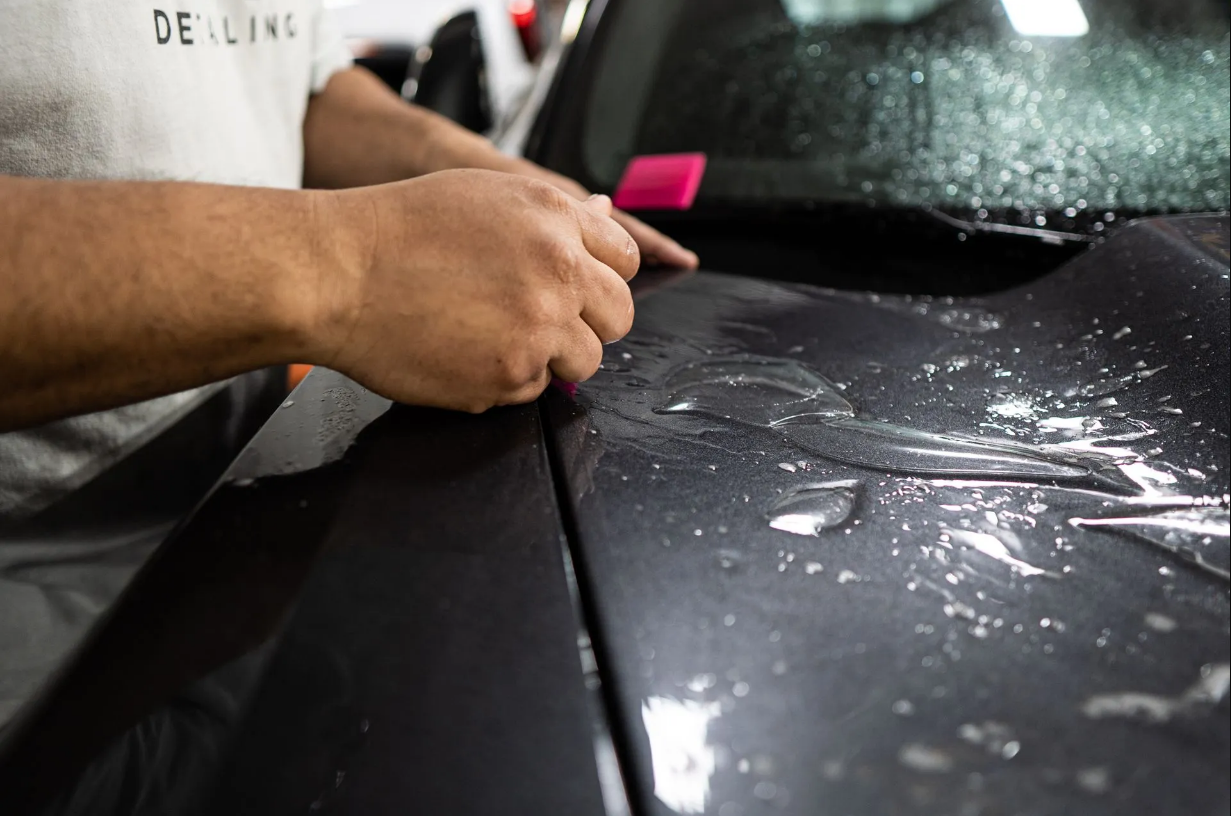
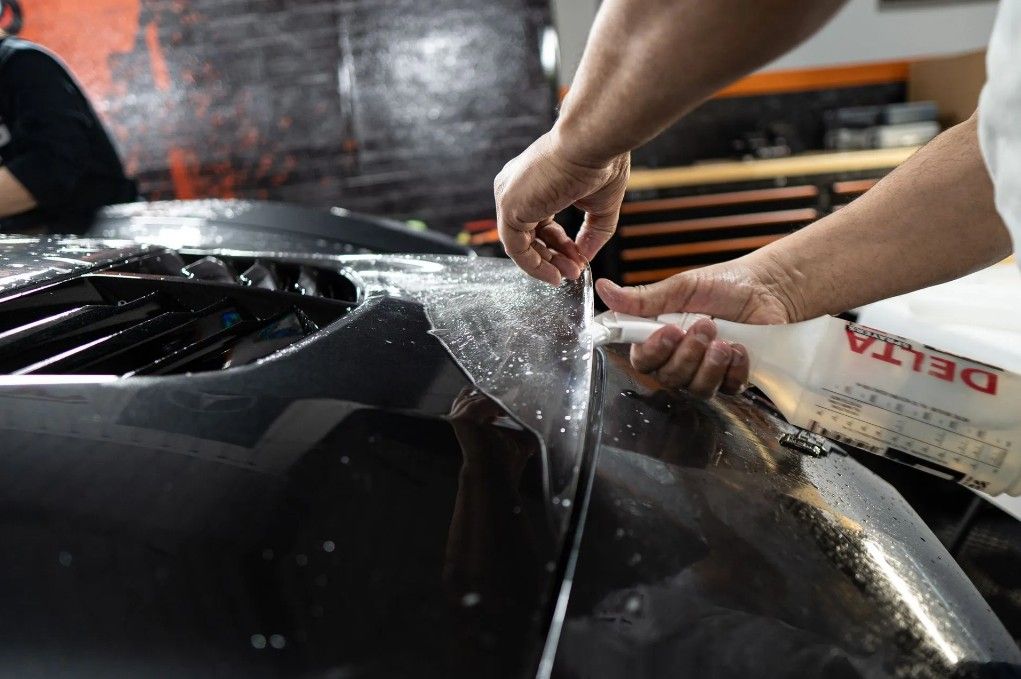
How the film reaches your vehicle affects how long it performs. Professional installation from a certified facility establishes proper adhesion, edge sealing, and stress-free positioning that support maximum service life.
Proper surface preparation ensures contamination-free bonding. Precise edge work prevents lifting initiation points. Correct installation temperature and technique allow the adhesive system to perform as engineered. These installation factors influence longevity throughout the film's service life, not just initially.
Installation quality remains invisible until problems develop. By then, reduced service life has already occurred. Selecting a qualified installation initially provides longevity benefits you may never directly observe but definitely receive.
Recognizing When Film Approaches the End of Service
Understanding how long does PPF last includes knowing the signs indicating replacement consideration.
Yellowing or discoloration represents the most visible indicator. When the film shifts from clarity to a yellow tint, UV degradation has progressed significantly. Edge lifting indicates adhesive failure beginning. Once edges separate, moisture and contamination compromise adhesion further. Reduced self-healing function becomes noticeable when minor surface marks no longer disappear with heat exposure. Haziness or cloudiness develops as surface degradation accumulates. In extreme cases, cracking or brittleness indicates material breakdown requiring replacement.
Maximizing Your Film's Service Life
What practices extend how long does PPF last toward the upper end of the range?
Select quality film from the beginning. Material quality cannot be added later. Maintain proper washing practices consistently and address contamination promptly. Garage your vehicle when possible, as reduced UV exposure during non-driving hours accumulates into years of additional service. Schedule periodic professional inspection to identify developing issues before they affect overall film performance.
Planning Your Protection Timeline
Realistic expectations serve vehicle owners better than optimistic promises. Quality PPF professionally installed and properly maintained typically delivers five to ten years of meaningful protection. Your specific result within that range depends on film selection, care practices, environmental exposure, and installation quality.
When evaluating whether protection justifies the investment, consider the cumulative value delivered across those years: preserved paint condition, maintained appearance, and protected resale value. The per-year value of quality protection becomes more compelling when viewed across realistic service expectations.
Discuss Your Vehicle's Protection
Questions about how long does PPF last for your specific vehicle and driving conditions? Contact A&G Auto Spa to discuss paint protection film options suited to your situation. We provide honest guidance on what protection delivers over time, helping you make informed decisions about your vehicle investment.
Frequently Asked Questions
Does the type of vehicle affect how long PPF lasts?
Vehicle type influences exposure patterns rather than film longevity directly. Sports cars with low front ends encounter more road debris. Trucks and SUVs may face different impact angles. However, how long does PPF last depends more on film quality, installation, and maintenance than on the vehicle type itself. The film performs similarly across vehicle categories when variables are controlled.
Can damaged PPF be repaired rather than fully replaced?
Localized damage can sometimes be addressed through partial replacement of affected panels rather than full vehicle replacement. If a single panel shows wear while others remain pristine, that panel can be replaced independently. However, widespread degradation typically indicates that full replacement serves better than patchwork repairs. Professional assessment determines whether repair or replacement delivers better value for your specific situation.
How does matte PPF longevity compare to gloss finishes?
Matte paint protection film uses similar base materials to gloss films, with comparable longevity expectations. The matte finish adds surface texture that requires appropriate care products, but the underlying protection performs similarly over time. Both film types respond to the same quality, care, and environmental factors when determining how long does PPF last in actual service.
Should I replace PPF before it shows visible problems?
Proactive replacement before visible degradation isn't typically necessary. Film continues providing protection until degradation symptoms appear. However, owners planning to sell vehicles may consider replacement timing strategically to present an optimal appearance. For continued personal use, replacing film when symptoms indicate reduced performance represents the most practical approach to managing
how long PPF lasts.