
Is Paint Protection Film Worth It for the Car You Drive Every Day?
Here's an interesting thing about car protection. Most conversations focus on exotic sports cars, collectibles, and weekend toys. The assumption seems to be that only special occasion vehicles deserve serious paint protection. But what about the car you actually drive? The one sitting in traffic, navigating construction zones, and collecting parking lot miles five days a week?
That daily driver faces more hazards in a month than many garage queens see in a year. And yet owners often hesitate to protect it, thinking paint protection film for daily commuter cars is somehow excessive or misplaced.
Let's look at this differently. Let's consider what your commuter actually encounters and whether protection makes practical sense for the vehicle you depend on most.
A&G Auto Spa works with plenty of daily driver owners who reached the same conclusion: the car you use most deserves protection most.
The Daily Commute Is Harder on Paint Than You Think
Your commute might feel routine, but your paint experiences it as a gauntlet.
Highway driving means sustained exposure to road debris. Trucks kick up gravel. Construction vehicles scatter material across lanes. Every mile at speed is another opportunity for something to strike your front end. That rock chip you heard last Tuesday? It's now a permanent mark unless you had protection.
Stop and go traffic creates different problems. You're constantly close to other vehicles. Their tires throw up whatever's on the road surface. Sand, salt, small stones, all of it spraying at your paint from multiple angles. City driving concentrates these exposures rather than spreading them out.
Parking lots add another layer entirely. Door dings from careless neighbors. Shopping carts pushed by distracted shoppers. Kids swinging backpacks as they walk past. Your car sits vulnerable for hours while you work, accumulating the small impacts that add up over time.
This is the reality of daily driving. Constant, repeated exposure to exactly the hazards that damage paint.
Weekend Cars Versus Daily Drivers
Think about the typical weekend car for a moment. It lives in a garage. It comes out on nice days. The owner chooses routes carefully, parks strategically, and washes it regularly. Mileage stays low. Exposure stays controlled.
Now think about your commuter. It goes out rain or shine. It takes whatever route traffic demands. It parks wherever spots are available. It accumulates miles steadily and faces whatever conditions the day brings. No protective garage during work hours. No choosing optimal routes. Just daily duty in real conditions.
Which vehicle actually faces more paint hazards over a year? The pampered weekend toy or the hardworking daily driver?
The answer is obvious when you frame it this way. Paint protection film for daily commuter cars addresses the vehicle that genuinely needs protection rather than the one that mostly avoids hazards by staying home.
Highway Commuting and Front End Exposure
If your commute includes highway miles, your front end takes serious abuse.
At highway speeds, even small debris becomes damaging. A pebble that would bounce harmlessly at parking lot speeds becomes a paint-chipping projectile at 70 miles per hour. Speed multiplies impact force considerably.
Semi trucks are particularly problematic. Their tires pick up and throw debris constantly. Following a truck, even at safe distance, exposes your hood and bumper to whatever its wheels eject. Construction vehicles are even worse, often trailing loose material that scatters across lanes.
Your front bumper, hood, fenders, and mirrors face forward into this constant bombardment. Over months and years of highway commuting, unprotected paint accumulates chips, marks, and damage that's expensive to repair and impossible to fully reverse.
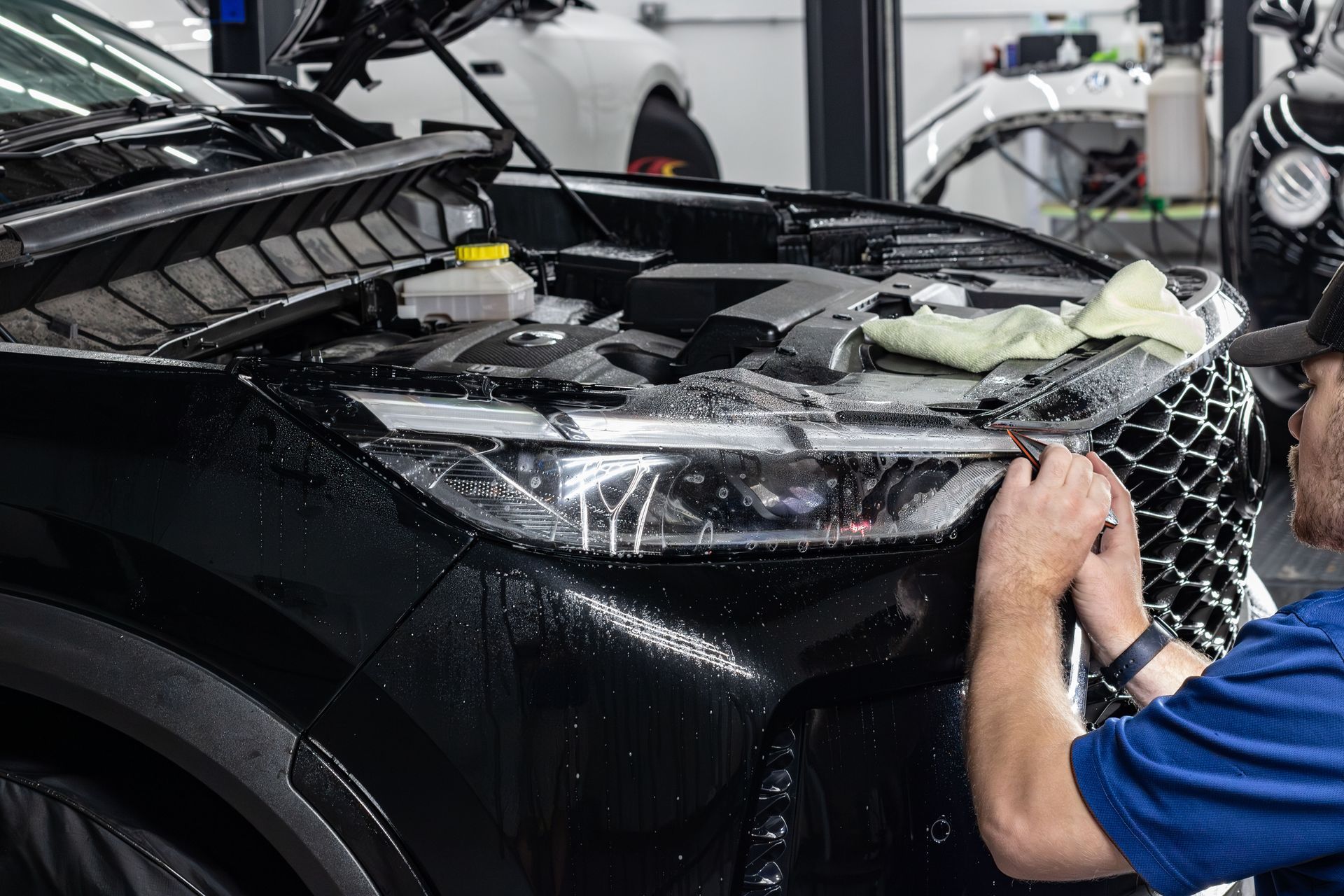
Paint protection film addresses exactly this exposure pattern. It shields the surfaces that face the most hazards during the driving you do most.
Parking Lot Realities
Parking is where daily drivers face hazards that weekend cars simply avoid.
Your commuter sits in parking lots for hours every day. Employee lots, customer lots, garage structures. Wherever you work, shop, or run errands, your car waits while life happens around it.
Other drivers open doors carelessly. Shopping carts roll freely. Delivery vehicles squeeze past. Landscaping equipment sprays debris. Kids cut between cars. All of this happens while you're not there to prevent it.
The door dings and minor impacts that result might seem small individually. But they accumulate. After a few years of daily parking lot exposure, a commuter's paint shows its history clearly. Every ding tells a story you'd rather not have recorded.
Protection doesn't prevent all parking lot incidents. But it absorbs many impacts that would otherwise mark your paint permanently.
The "It's Just a Daily Driver" Mindset
Some owners hesitate to protect daily drivers because they mentally categorize them as less important. It's just the commuter. It's not the nice car. It's going to get worn anyway.
This thinking has problems.
First, daily drivers aren't necessarily inexpensive vehicles. Many commuters are $40,000, $50,000, or more. A vehicle doesn't become disposable just because you drive it to work. The car you use daily is likely one of your largest purchases.
Second, the daily driver is often the car other people see you in most. Clients, colleagues, neighbors. Your commuter creates impressions constantly. A well-maintained daily driver reflects differently than one showing years of accumulated damage.
Third, you'll eventually sell or trade this vehicle. Paint condition affects resale value directly. The damage your commuter accumulates over years of unprotected use translates to reduced value when you move on.
Paint protection film for daily commuter cars treats your daily driver like what it actually is: a significant vehicle worth maintaining properly.
What Protection Looks Like on a Commuter
Protection on a daily driver doesn't have to mean full vehicle coverage, though that's absolutely an option.
Many commuter owners focus on high-impact zones. The hood, front bumper, fenders, and mirrors catch most highway debris. Protecting these areas addresses the primary exposure pattern without covering every panel.
Others add rocker panels and door edges, addressing the parking lot hazards and lower body exposure that city driving creates. The coverage matches the specific risks your commute presents.
Some owners go further with more complete protection, mainly if they plan extended ownership or drive through unusually harsh conditions. The coverage can scale to match your situation.
The point is flexibility. Protection adapts to how you actually use your vehicle rather than following a one-size-fits-all approach.
Matching Protection to Your Commute
Different commutes create different exposure patterns.
Heavy highway miles mean front end exposure dominates. Hood and bumper protection addresses your primary risk. The coverage focuses where the hazards concentrate.
Urban stop and go driving spreads exposure more evenly. Side panels, rocker areas, and bumpers all face regular risk from close-quarters traffic and parking situations. Broader coverage might make more sense.
Mixed commutes with highway, city, and suburban segments combine hazard types. You face both high-speed debris and parking lot incidents. Coverage decisions balance multiple exposure patterns.
Your actual driving routine should guide protection decisions. The vehicle that sits mostly in a garage needs different consideration than the one logging significant miles annually through varied conditions.
Long-Term Ownership and Daily Drivers
Many daily driver owners keep their vehicles for extended periods. Five years, seven years, even longer. A reliable commuter that works well becomes a keeper.
Over that ownership timeline, unprotected paint accumulates significant damage. Every year adds more chips, marks, and wear. By year five or seven, the finish shows its history clearly regardless of how carefully you wash and maintain it. At that point, paint correction becomes necessary just to restore what protection would have preserved.
Protected paint tells a different story. The film absorbs what would have become permanent damage. Year after year, the paint underneath stays in the condition it had when protection was applied. Some owners combine PPF with ceramic coating for even easier maintenance. Extended ownership actually increases protection's value because the preservation compounds over time.
If you're planning to keep your daily driver for years, protection becomes more sensible, not less. The vehicle you use longest benefits most from early protection.
Your Daily Driver Deserves Consideration
The car you rely on most is worth protecting thoughtfully. Paint protection film for daily commuter cars isn't overkill. It's appropriate recognition that daily driving creates daily hazards, and daily hazards create cumulative damage.
Your commuter faces more exposure in regular use than most weekend cars see all year. It deserves the same consideration you'd give any vehicle you want to maintain properly.
Protection is invisible when installed correctly. Nobody knows your daily driver is protected. They just notice that it still looks good after years of real-world use while other commuters show their mileage.
Talk About Your Daily Driver
Ready to discuss protection for the car you actually drive? Contact A&G Auto Spa to talk through your commute, your vehicle, and coverage options that fit your situation. We'll help you figure out what makes sense for how you actually use your car, not just how protection gets marketed to collectors. Your daily driver can look good for years. It just needs the right protection from day one.
Frequently Asked Question
Is paint protection film overkill for a car I use every day?
The opposite is actually true. Your daily driver faces more paint hazards than occasional-use vehicles because it's constantly exposed to road debris, parking lots, and traffic. Weekend cars stay protected in garages while commuters accumulate damage daily. Protection makes more sense on vehicles with high exposure, and daily drivers by definition have the highest exposure of any vehicle you own.
Will anyone notice film on my daily driver?
Quality film professionally installed is nearly invisible. The protection disappears visually while working constantly. Your commuter looks like your commuter, just protected. People notice when paint looks good after years of daily use. They don't notice the film that made it possible unless they inspect closely and know what to look for.
Should I protect my entire daily driver or just certain areas?
Coverage should match your exposure pattern. Highway commuters might focus on front end protection where debris strikes most. City drivers might add door edges and rocker panels for parking lot hazards. Some owners protect completely for maximum preservation. Your commute tells you where hazards concentrate and where protection provides the most value.
Does protection make sense if I plan to trade my car in a few years?
Paint condition directly affects trade-in and resale value. A daily driver with protected paint presents better than one showing years of accumulated damage. Buyers and dealers notice finish quality immediately. Whether you keep your commuter three years or ten, protected paint supports better outcomes when you move on.
How does daily driving exposure compare to occasional driving?
Daily driving creates dramatically more exposure. A typical commuter might put on significant miles annually through all conditions. A weekend car might see only a fraction of that on chosen days in controlled circumstances. The commuter faces considerably more road exposure plus constant parking lot hazards the weekend car avoids entirely by staying garaged.