Does Window Tint Fade or Turn Purple? What to Expect Over the Years
You've seen them. Cars with window tint that's turned an ugly purple color. Film that's bubbling at the edges. Windows that look worse than if they'd never been tinted at all. It's not a good look, and it makes you wonder whether tint is worth the trouble.
The reality is different than you might expect. That purple, faded disaster you're picturing isn't inevitable. It's what happens when low-quality film meets years of sun exposure. Quality tint ages completely differently. Understanding does window tint fade over time means understanding why some film fails spectacularly while other film holds up for years without changing color.
We'll cover what actually causes that purple transformation, why it happened so often in older installs, and what separates film that ages gracefully from film that becomes an eyesore.
A&G Auto Spa installs quality film specifically because we don't want our work turning purple on your car. This is what matters when it comes to tint longevity.
Why Old Tint Turned Purple
That distinctive purple color has a specific cause. It comes from dye degradation in the film.
Older and lower-quality window films relied on dyes to create their dark appearance. These dyes absorb visible light, making the window darker. The problem is that many dyes aren't stable under prolonged UV exposure. Sunlight literally breaks down the dye molecules over time.
As the dyes degrade, they don't just fade evenly. They shift color. The particular chemical degradation of common window tint dyes produces that purple or reddish cast you've seen on older vehicles. It's not dirt. It's not a coating issue. It's the actual film material changing color as UV radiation destroys the dye structure.
This process accelerates in hot climates and on windows facing direct sun regularly. A car parked outdoors in Arizona aged its tint much faster than one garaged in Seattle. The cumulative UV exposure determined how quickly the purple transformation happened.
The Bubbling Problem
Purple color isn't the only sign of failing tint. Bubbling often accompanies it.
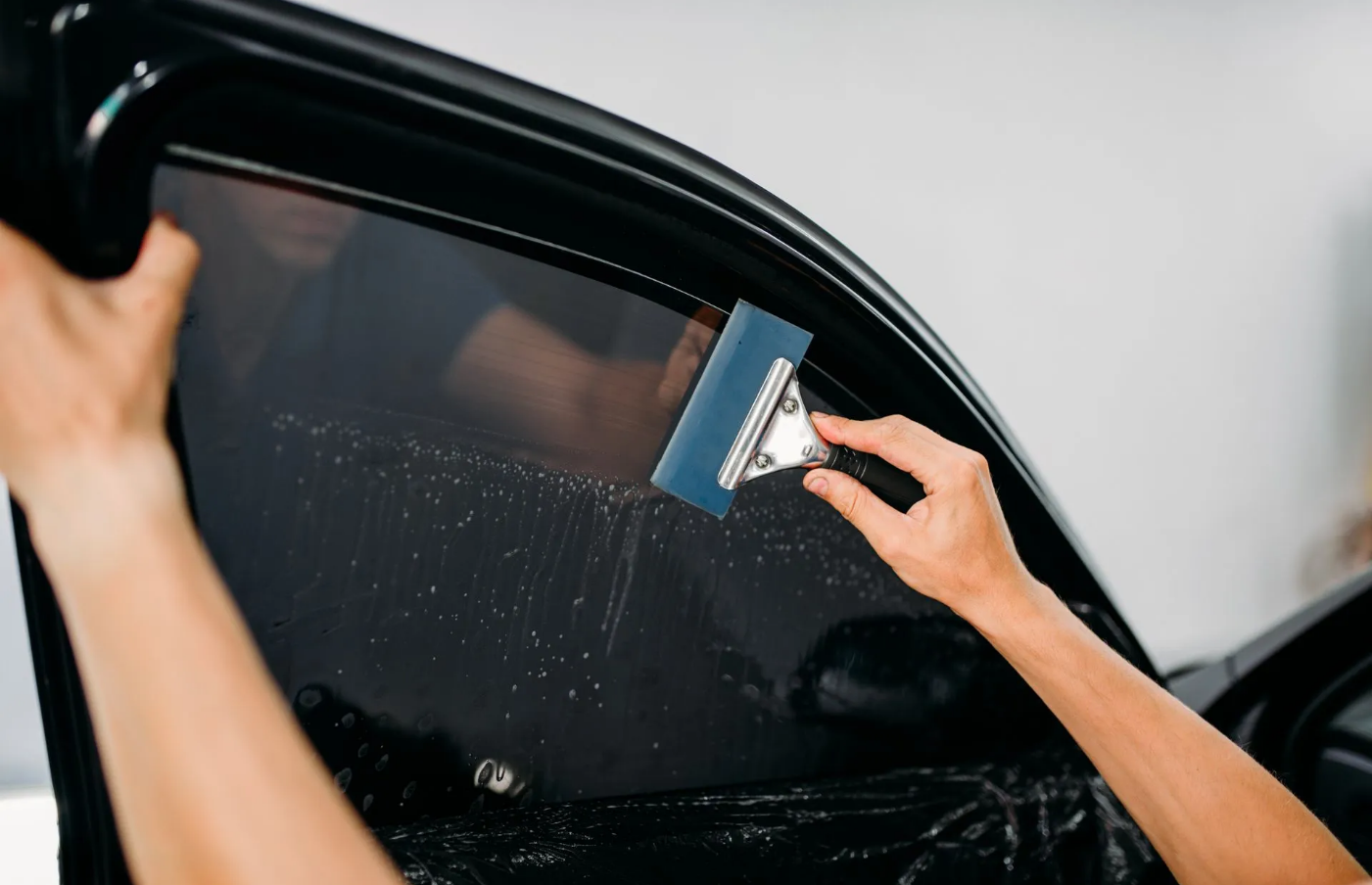
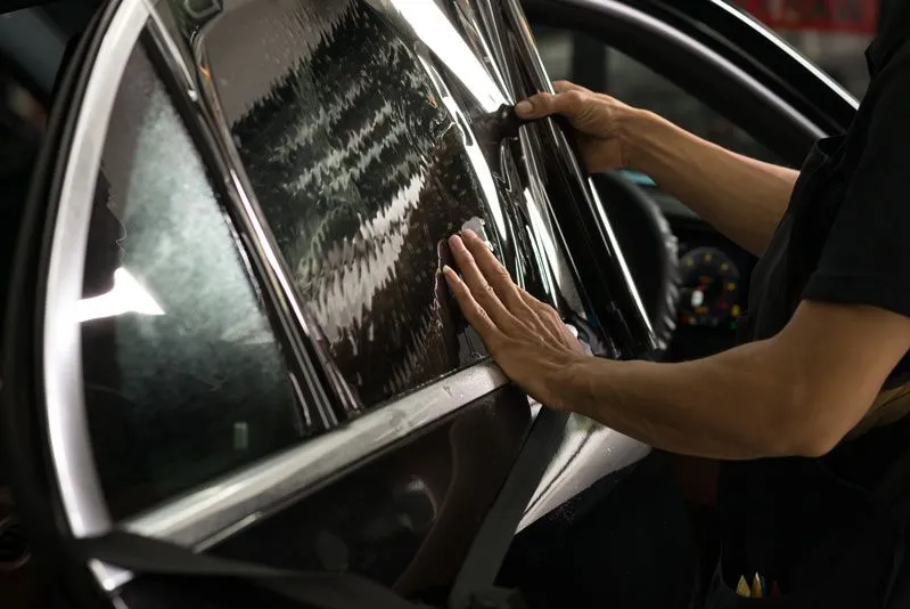
Bubbles develop when the adhesive layer fails. Heat and UV exposure degrade the adhesive over time, causing it to release from the glass in spots. Air gets between the film and the window, creating those distinctive bubbles that can't be smoothed out.
Once bubbling starts, it typically spreads. The film is failing at a structural stage, not just cosmetically. Bubbles indicate the film has reached the end of its functional life and needs replacement rather than repair.
Low-quality film bubbles faster because its adhesive formulation can't withstand extended environmental exposure. The same UV radiation that fades the dyes also attacks the adhesive. Both failures often happen together on the same vehicle.
How Quality Film Differs
Modern quality film addresses both problems through different material choices.
Dye stability. Higher quality films use more stable dye formulations that resist UV degradation. Some premium films move away from dyes entirely, using metallic particles or ceramic technology to achieve darkness without relying on dye that can fade.
UV-resistant construction. Quality film includes UV inhibitors throughout its construction. These compounds absorb UV radiation before it can break down dyes or adhesives. The film essentially protects itself from the same sun exposure that destroys lower-grade products.
Better adhesive formulation. Premium adhesives bond more completely with glass and resist heat-induced failure. They're formulated to maintain their grip through temperature cycling and extended sun exposure.
Overall material quality. From the protective outer layer to the adhesive, quality film uses better materials at every stage. The difference isn't visible at installation, but it shows dramatically over years of use.
What Does Window Tint Fade Over Time Actually Mean for Quality Film
Quality film does age. Nothing lasts forever. But the aging process looks completely different from what you've seen on low-quality installs.
Quality film may gradually lose a small amount of darkness over many years. This change is typically subtle and even across the window. You might notice the tint is slightly lighter than when new if you compare carefully, but the color stays true. No purple cast. No dramatic fading. Just gradual, graceful aging that remains attractive.
The film maintains its structural integrity much longer. Adhesives stay bonded. Bubbling doesn't develop. The film continues doing its job, rejecting heat and UV radiation, even as it slowly ages.
When quality film eventually does reach the end of its service life, it typically still looks acceptable. Replacement becomes a choice based on performance decline rather than embarrassing appearance. That's a completely different ownership experience than watching film turn purple and bubble after a few years.
Factors That Affect Tint Longevity
Several variables influence how long any window tint lasts.
Sun exposure intensity. Vehicles in sunny, hot regions face more aggressive conditions. Arizona, Texas, Florida, and similar locations accelerate aging on any film. Garage parking extends film life by reducing cumulative exposure.
Which windows get the most sun. Rear and side windows facing south (in the Northern Hemisphere) catch more direct sunlight than other positions. These windows may age faster than windows that stay shaded more often.
Film quality at installation. This is the biggest factor within your control. Starting with quality film gives you the best foundation for longevity. No amount of careful maintenance saves poor-quality film from its material limitations.
Installation quality. Proper installation ensures complete adhesive contact with no air pockets or contamination. Poor installation can cause premature failure even with quality film.
Maintenance habits. Harsh cleaning chemicals can degrade film faster. Following proper care guidelines helps film perform throughout its intended service life.
The Ceramic Difference
Ceramic window tint represents a different approach to the fading problem entirely.
Ceramic film doesn't rely on dyes for its performance. Instead, it uses nano-ceramic particles embedded in the film. These particles block infrared radiation and provide UV protection without the dye chemistry that causes purple fading.
Because there's no dye to degrade, the fading mechanism that creates purple tint simply doesn't apply. Ceramic film maintains its appearance because the materials that could change color aren't present. The ceramic particles are stable under UV exposure in ways that traditional dyes aren't.
This doesn't mean ceramic film lasts forever. All materials eventually age. But the specific purple fading problem is essentially eliminated by using technology that doesn't involve unstable dyes.
Setting Realistic Expectations
Understanding does window tint fade over time means accepting that all window film has a finite service life.
Quality film professionally installed can perform well for many years under normal conditions. The exact duration depends on the factors mentioned earlier. Some installations last a decade or more while still looking good. Others in harsh conditions may show age sooner.
What you should expect from quality film is graceful aging. Not dramatic color shifts. Not bubbling after a few years. Not embarrassment every time you look at your car. Just steady performance that gradually diminishes over an extended period.
When quality film eventually does need replacement, you're replacing something that served you well rather than something that failed prematurely. That's what separates quality from budget materials.
Recognizing Quality Before You Buy
Since film quality determines longevity, knowing what to look for helps you make better decisions.
Ask about the technology. Understand whether the film uses dyed, metallic, or ceramic construction. Each has different aging characteristics. Ceramic generally offers the best fade resistance.
Ask about UV protection. Quality film specifies its UV blocking capability. Films designed to protect against UV typically also resist UV-induced degradation themselves.
Consider the installer's reputation. Established auto detailing professionals stake their reputation on results. They typically use quality products because their business depends on satisfied customers years after installation.
Think past the initial appearance. All film looks good when new. The question is how it looks in three years, five years, seven years. Quality reveals itself over time.
Professional Installation Matters
Even quality film can fail prematurely with poor installation.
Professional installation ensures the film bonds completely with your glass. No air pockets that become bubbles later. No contamination under the film that causes adhesive failure. No stretching or distortion that creates weak spots.
Professional installers also work in controlled environments. Temperature and humidity affect how film cures and bonds. Garage installations in proper conditions outperform parking lot work every time.
The installation investment protects the film investment. Quality film poorly installed wastes the material advantage you paid for.
Your Tint Years From Now
The purple faded windows you've worried about represent the failure mode of low-quality film under sun exposure. They're not inevitable. They're not what happens to all window tint. They're what happens when substandard materials meet real-world conditions.
Quality film tells a different story. It holds its color. It maintains its bond. It ages gracefully rather than spectacularly failing. Years from now, your windows still look tinted rather than ruined.
Does window tint fade over time? Everything ages eventually. But quality film ages in a way you can live with, performing well and looking acceptable throughout an extended service life. That's worth the difference in material quality.
Get Film That Lasts
Ready to invest in window tint that won't turn purple on you? Contact A&G Auto Spa to discuss quality tinting options for your vehicle. We'll explain the film choices, the installation process, and what you can realistically expect over years of ownership. Your windows deserve tint that ages well, not tint that becomes an embarrassment.
Frequently Asked Question
How long does quality window tint typically last before showing age?
Quality film professionally installed often performs well for many years under normal conditions. The exact timeframe varies based on sun exposure, weather patterns, and maintenance. Some installations remain in good condition for a decade or longer, while harsh environments may accelerate aging. The difference from low-quality film is that quality tint shows age gradually and gracefully rather than failing dramatically with purple fading and bubbling.
Can purple faded tint be repaired or does it need replacement?
Purple fading indicates the dye structure has degraded chemically. This damage is permanent and is not able to be reversed or repaired. The film must be removed and replaced with new material. Attempting to tint over failing film doesn't work because the underlying problem remains. Complete removal followed by fresh installation with quality film is the only solution for purple faded windows.
Does ceramic tint fade the same way as regular tint?
Ceramic tint resists the purple fading problem because it doesn't use the dyes that cause that color shift. The nano-ceramic particles that provide heat rejection are stable under UV exposure in ways that traditional dyes aren't. Ceramic film can still age over extended periods, but the specific purple transformation that plagues low-quality dyed films simply doesn't occur with ceramic technology.
Will parking in a garage extend my window tint life?
Garage parking significantly reduces UV exposure, which is the primary cause of tint degradation. A vehicle parked indoors overnight and garaged at home faces far less cumulative sun exposure than one parked outdoors constantly. While garage parking won't make tint last forever, it meaningfully extends service life by reducing the environmental stress that causes fading and adhesive failure.
How can I tell if my current tint is starting to fade?
Early fading often appears as slight color shifting, particularly toward purple or reddish tones. Compare your tint to its original appearance if you can recall it, or look at areas that receive less direct sun compared to heavily exposed windows. Bubbling at edges or corners indicates adhesive failure and often accompanies fading. If you notice color changes or bubbling beginning, the film is entering its decline phase.