
Ceramic Coating for Wheels: Easier Brake Dust Cleanup and Lasting Shine
You wash your car, and it looks great. Then you glance at the wheels. Brake dust has already started settling. Dark residue clings to every spoke. And you know exactly what's coming: scrubbing, detailing brushes, wheel cleaner, and more time on your knees than you'd like.
Wheels are often the most frustrating part of vehicle maintenance. They're constantly exposed to heat, brake dust, road grime, and whatever else the road throws at them. And because they're right there where you can see them clearly, dirty wheels undermine an otherwise clean appearance.
Ceramic coating for wheels changes that equation. It doesn't make wheels maintenance-free. But it makes the maintenance you do far more effective and far less time-consuming. The difference is noticeable from the very first wash after coating.
A&G Auto Spa coats wheels as part of vehicle protection packages. This is why wheels deserve their own attention.
The Brake Dust Problem
Understanding why wheels get so dirty so fast helps explain why coating makes such a difference.
Every time you press the brake pedal, friction between the brake pad and rotor generates dust. This dust is a mixture of metallic particles from the rotor and material from the brake pad itself. It's hot when it's created, and it lands on your wheels while still carrying that heat.
The combination of heat and metallic content makes brake dust particularly aggressive. It doesn't just sit on the wheel surface. It begins bonding with the finish. The longer it sits, the stronger that bond becomes. What starts as a light dusting becomes baked-on contamination that requires serious effort to remove.
This is why quick rinses don't work on neglected wheels. The dust has embedded itself into the wheel surface. You need agitation, wheel-specific cleaners, and time to break that bond and lift the contamination away.
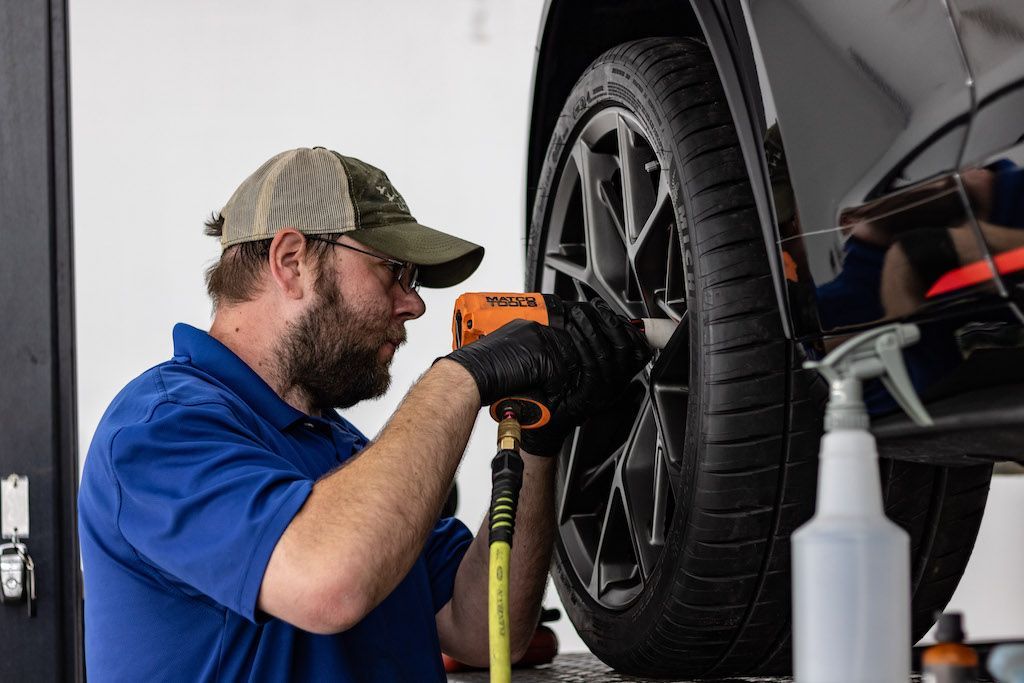
How Coating Changes the Surface
Ceramic coating for wheels creates a protective layer between your wheel's finish and the contaminants that attack it.
The coating bonds chemically with the wheel surface, creating a barrier that brake dust lands on rather than penetrates. When dust settles on a coated wheel, it sits on top of the coating rather than embedding into the wheel's actual finish.
This changes how contamination interacts with your wheels. The bond that develops between dust and the coated surface is weaker than the bond that would develop with an uncoated wheel. Contamination releases more easily. Water sheets off more effectively. The aggressive scrubbing that uncoated wheels demand becomes unnecessary.
The coating also creates hydrophobic properties on the wheel surface. Water beads and runs off, carrying loose contamination with it. A spray of water does more cleaning work on a coated wheel than on an uncoated one.
The Cleaning Time Difference
Here's where the practical benefit becomes real. Coated wheels simply clean faster.
The brake dust that would require brushing and scrubbing on an uncoated wheel often rinses away with water pressure alone on a coated wheel. What remains after rinsing lifts off with minimal agitation rather than requiring dedicated wheel cleaning sessions.
Owners who coat their wheels consistently report that wheel cleaning goes from being the most time-consuming part of their wash routine to one of the quickest. The difference isn't subtle. It's the kind of change that makes you wonder why you waited so long.
This time savings compounds over ownership. Weekly washes over years add up to significant hours. Those hours spent scrubbing wheels could be hours spent driving, or simply hours not spent on hands and knees with a brush.
Protection That Preserves Appearance
In addition to easier cleaning, ceramic coating for wheels helps maintain the wheel's appearance over time.
Brake dust isn't just ugly. It's corrosive. The metallic particles and chemicals in brake dust can etch into wheel finishes if left in contact long enough. This etching creates permanent damage that no amount of cleaning removes. The wheel's surface becomes pitted and discolored.
Coating provides a barrier against this corrosive process. The dust contacts the coating rather than the wheel finish. Even if cleaning is delayed, the wheel surface underneath remains protected from direct chemical attack.
This protective function helps wheels retain their original appearance longer. The gloss and clarity of the wheel finish stays intact rather than degrading under constant brake dust exposure. Wheels look newer longer because they're actually staying in better condition.
Heat and Wheels
Wheels face conditions that most other vehicle surfaces don't experience.
Braking generates significant heat. That heat transfers to the wheel itself. During spirited driving or in mountainous terrain, wheel temperatures can climb substantially. This heat cycling adds stress to any finish and can accelerate the bonding of contaminants.
Quality ceramic coating handles these temperature swings. The coating maintains its protective properties through the heating and cooling cycles that wheels experience during normal driving. The protection stays consistent whether you're cruising on the highway or working through city traffic.
This heat tolerance is important because cheaper protectants often break down under wheel operating temperatures. Waxes and sealants that work fine on paint may fail quickly on wheels. Ceramic coating is formulated to handle the harsher conditions wheels face.
What Coating Won't Do
Honesty about ceramic coating for wheels means being clear about what coating doesn't address.
Coating won't prevent physical damage. A curb strike will still damage your wheel. Road debris can still chip or dent. The coating protects against chemical and environmental attack, not physical impact. Drive carefully around curbs the same way you would with uncoated wheels.
Coating won't eliminate all maintenance. Your wheels still need regular washing. The coating makes that washing easier and more effective, but it doesn't make wheels self-cleaning. Neglect will still catch up eventually.
Coating won't hide existing damage. If your wheels already have corrosion, etching, or finish damage, coating won't repair that. Damaged wheels should be refinished before coating for the best results.
The Application Process
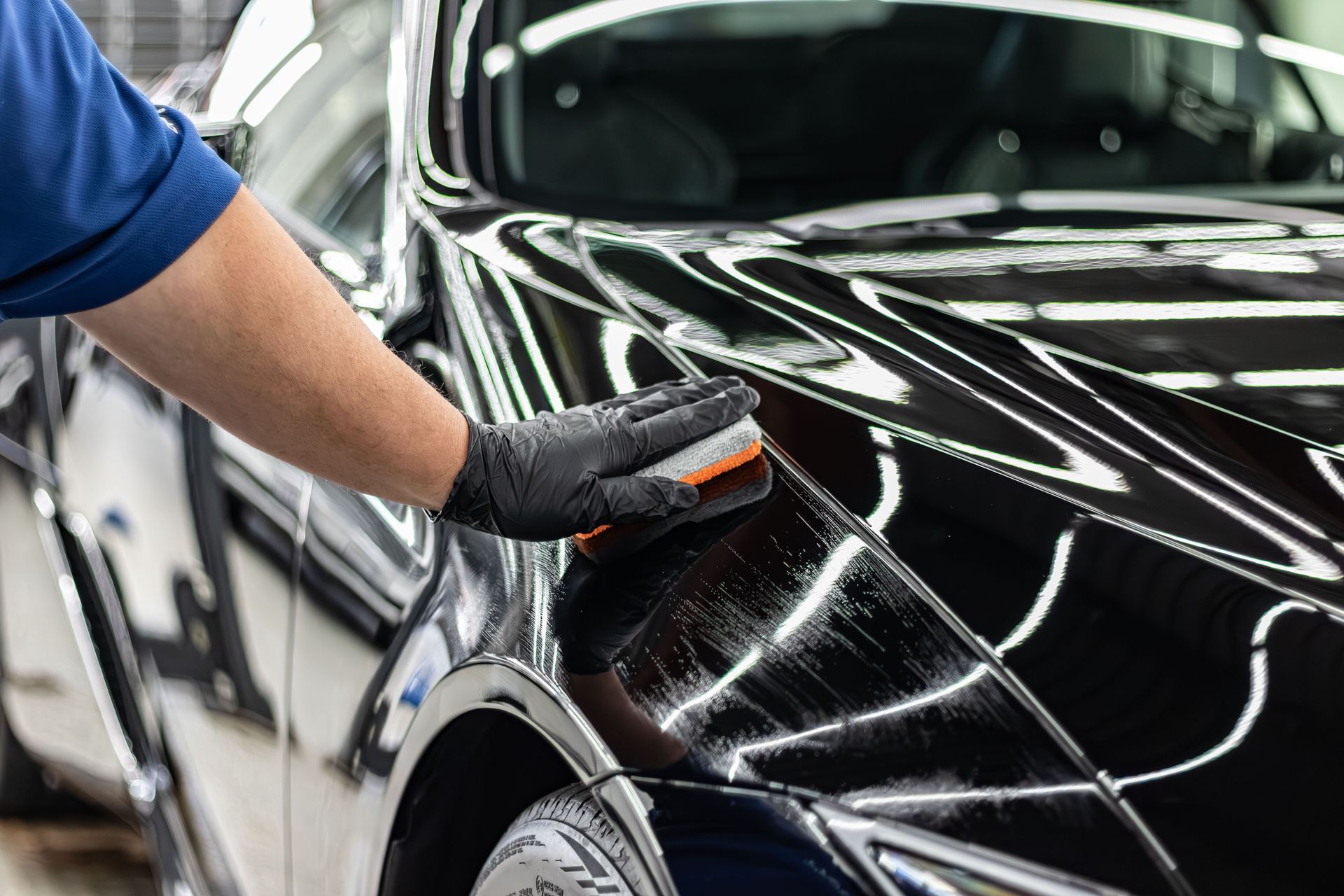
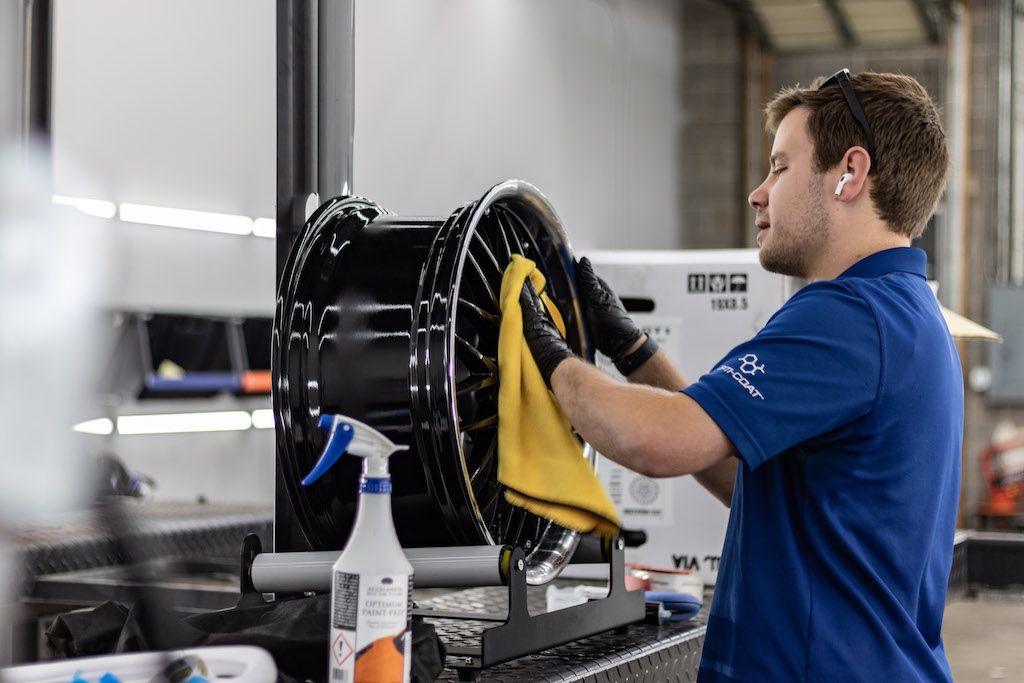
Applying ceramic coating to wheels follows a careful process similar to coating other vehicle surfaces.
The wheel surface must be thoroughly clean and decontaminated before coating. Any existing brake dust, contamination, or residue must be completely removed. The coating bonds with whatever is on the surface, so that surface needs to be the actual wheel finish, not a layer of accumulated grime.
Professional detailing typically includes wheel preparation as part of the service. The wheels are cleaned, possibly clay barred, and wiped clean before coating application. This preparation ensures the coating bonds properly and performs as intended.
The coating itself is applied in controlled conditions and allowed to cure. Once cured, the coating is ready to face brake dust and road grime with its full protective properties active.
Maintaining Coated Wheels
Once coated, wheels benefit from straightforward maintenance practices.
Regular washing prevents contamination from building up. Even though coated wheels clean more easily, regular attention keeps them performing and looking their best. A quick rinse and wipe during your normal car wash is typically sufficient.
Avoid harsh wheel cleaners that can degrade the coating over time. pH-neutral products work well with ceramic coatings. The aggressive acidic cleaners designed to dissolve baked-on brake dust are unnecessary on coated wheels and may shorten coating life.
If brake dust does accumulate between washes, it will still release more easily than it would from an uncoated wheel. The coating continues providing its easier-cleaning benefit throughout its service life.
Wheels as Part of Overall Protection
Wheels often get overlooked when owners think about vehicle protection, but they deserve attention.
Your wheels are constantly visible. They're one of the first things people notice about a vehicle. Clean, well-maintained wheels enhance the entire vehicle's appearance. Neglected wheels undermine even the most carefully maintained paint.
Ceramic coating on your vehicle's paint and ceramic coating for wheels work together as a protection system. The same easier-cleaning benefits that make coated paint simpler to maintain apply to coated wheels. Your entire vehicle becomes faster to wash and easier to keep looking sharp.
For owners who take pride in their vehicle's appearance, protecting the wheels makes as much sense as protecting the paint. Both surfaces face constant exposure. Both benefit from the barrier ceramic coating provides.
The Convenience Factor
Sometimes the most valuable benefit is simply convenience.
Coated wheels fit busy lifestyles better than uncoated wheels. When you only have twenty minutes for a quick wash, you're not spending half that time scrubbing wheels. When you're maintaining your vehicle yourself, coated wheels make the job less tedious.
This convenience has real value. Vehicle maintenance that feels like a chore gets postponed. Maintenance that feels quick and effective gets done regularly. Coated wheels shift wheel cleaning from burden to manageable task.
The result is wheels that stay cleaner more consistently because maintaining them is easier. Owners wash more frequently when washing is less work. The vehicle looks better overall because the wheels don't become the weak point.
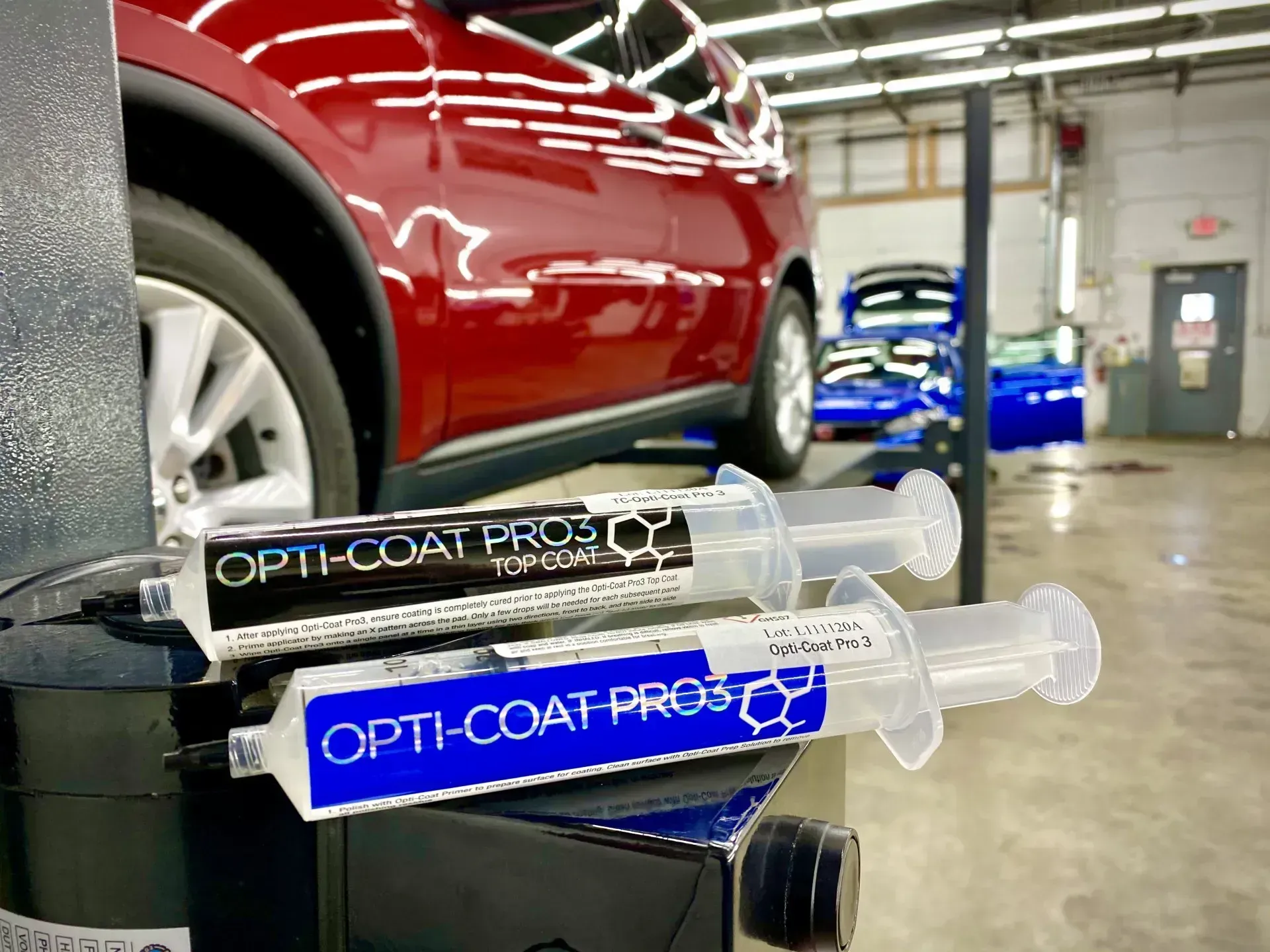

Consider Your Situation
Think about how you actually use and maintain your vehicle.
How often do brake dust frustrations interrupt your cleaning routine? How much time do you spend on wheels compared to the rest of the car? How much would it matter to you if that time were cut significantly?
If clean wheels matter to you but the effort required frustrates you, coating addresses that frustration directly. The benefit is practical and immediate. You'll notice the difference at your very next wash.
Protect What Shows
Ready to make wheel cleaning the easy part of your wash routine? Contact A&G Auto Spa to discuss ceramic coating options for your wheels. We'll explain the process, the preparation required, and what you can expect from coated wheels. Your wheels deserve the same protection attention you give your paint.
Frequently Asked Questions
How long does ceramic coating on wheels typically last?
Coating longevity on wheels depends on driving conditions, maintenance habits, and the specific coating used. Wheels face harsher conditions than paint, including higher temperatures and constant brake dust exposure. Quality coating properly applied can provide protection for an extended period, though wheels may need recoating sooner than paint surfaces due to the demanding environment they face.
Can ceramic coating be applied to any type of wheel finish?
Most wheel finishes are compatible with ceramic coating, including painted, powder coated, polished, and machined wheels. The preparation process may vary slightly depending on the finish type. Your installer will assess your specific wheels and advise on the appropriate preparation and application approach for your wheel type.
Will ceramic coating prevent brake dust from landing on my wheels?
Coating doesn't prevent brake dust from landing on wheels. What it changes is how that dust bonds with the wheel surface. On coated wheels, brake dust sits on top of the coating rather than embedding into the wheel finish. This weaker bond means the dust releases more easily during washing, requiring less effort and time to achieve clean wheels.
Should I get my wheels coated at the same time as my paint?
Having wheels coated alongside paint coating makes practical sense. The preparation and application processes can be combined efficiently, and your entire vehicle benefits from protection at the same time. Starting with full protection means consistent easier cleaning from day one rather than experiencing the contrast between coated paint and uncoated wheels.
How do I maintain ceramic coated wheels between washes?
Between full washes, coated wheels benefit from occasional rinses to prevent heavy brake dust accumulation. Water pressure alone removes more contamination from coated wheels than from uncoated ones. When you do wash, use pH-neutral products rather than harsh acidic wheel cleaners. The coating makes aggressive cleaners unnecessary and using them may shorten coating life.