
Beat the Heat: How Window Tint Keeps Your Cabin Cooler
We've all been there. You walk across the parking lot on a July afternoon, open your car door, and get hit with a wall of heat that makes you question every life choice that led to this moment. The steering wheel is untouchable. The leather seats could probably cook breakfast. And you know the next ten minutes will be spent blasting AC while sweating through your shirt.
Here's what most people don't realize. That brutal cabin heat isn't inevitable. Understanding how window tint keeps your car cooler changes the way you think about summer driving entirely. Good film doesn't just darken your windows for privacy. It actually blocks the solar energy that turns your car into an oven.
Let's talk about what's really happening when your car heats up, how quality tint addresses it, and what kind of difference you can actually expect. No exaggeration, just straight information about why tinted vehicles stay noticeably more comfortable.
At
A&G Auto Spa, we install window tint specifically to solve this problem. The comfort difference is one of the most common things customers mention after getting their vehicles done.
Why Your Car Gets So Hot in the First Place
Before we get into solutions, it helps to understand the problem. Your car isn't just sitting in warm air. It's actively collecting heat.
Sunlight contains different types of energy. Visible light is what you see. Infrared radiation is what you feel as heat. When sunlight passes through your windows, that infrared energy enters your cabin and gets absorbed by your dashboard, seats, steering wheel, and everything else inside.
Here's where it gets worse. Those surfaces absorb the energy and re-emit it as heat, but the heat can't escape back through the glass easily. So it builds up. And builds up. And keeps building until your car becomes significantly hotter than the air outside.
This is basically the greenhouse effect happening in your front seat. The glass lets energy in but traps the heat that results. On a 90-degree day, your cabin can easily reach 130, 140, or higher. Those aren't typos. Cars get genuinely dangerous levels of hot when parked in direct sun.
How Window Tint Actually Blocks Heat
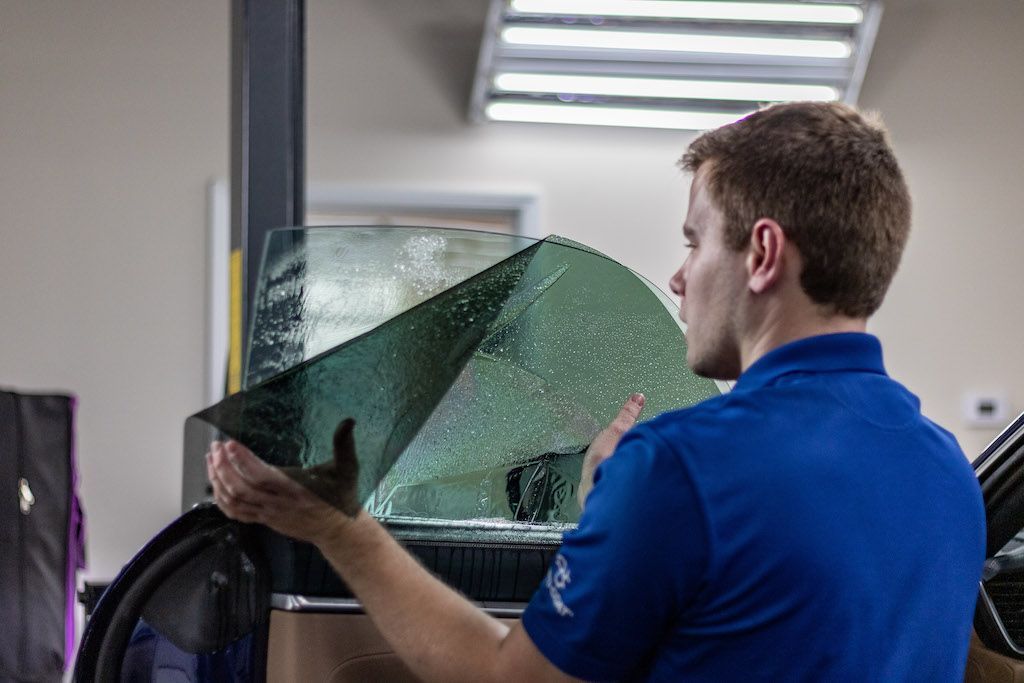
This is where how window tint keeps your car cooler gets interesting. Quality window film doesn't just make your windows darker. It actually intercepts solar energy before it enters your cabin.
Window tint works by either absorbing or reflecting portions of the solar spectrum. Different films use different technologies, but the goal is the same: stop the heat-causing infrared radiation from passing through your glass and heating up your interior.
Think of it like sunscreen for your car. Sunscreen doesn't make the sun disappear. It blocks the harmful rays from reaching your skin. Window tint blocks the heat-causing rays from reaching your cabin. The sun is still there, but its effect on your interior is dramatically reduced.
The amount of heat a film blocks is called its heat rejection rating. Quality films can reject a significant portion of the solar energy hitting your windows. That means less energy entering your cabin, less heat buildup, and a more comfortable car when you get in.
The Difference Between Dyed Film and Ceramic Film
Not all tint blocks heat equally. The type of film matters a lot when it comes to thermal performance.
Standard dyed films work primarily by absorbing light. They make your windows darker, which provides some heat reduction because less visible light enters. But dyed films don't specifically target infrared radiation. They help, but they're not optimized for heat rejection.
Ceramic films take a different approach. They contain nano-ceramic particles that specifically filter infrared wavelengths. This means they can block significant heat without necessarily being super dark. You can have a lighter looking tint that still rejects substantial heat because the ceramic technology targets the infrared spectrum directly.
This matters for how window tint keeps your car cooler because it means you have options. If you want maximum darkness plus heat rejection, you can get that. If you want to maintain more visibility while still getting meaningful thermal protection, ceramic films make that possible.
The film technology you choose affects your results. Quality ceramic tint outperforms basic dyed film when heat rejection is your priority.
What Cooler Actually Feels Like Day to Day
Numbers are one thing. The actual experience is what matters.
When you get into a tinted vehicle on a hot day, the first thing you notice is that the surfaces aren't as brutally hot. The steering wheel is touchable. The seats don't burn your legs. The dashboard isn't radiating heat at you. These are the surfaces that absorbed less energy because less energy got through the windows.
The second thing you notice is the air. The ambient temperature inside a tinted car is noticeably lower than an untinted car that's been parked in the same conditions. You're not walking into quite the same wall of heat.
The third thing, and this one adds up over time, is how quickly your AC brings the cabin to a comfortable temperature. When your car starts out cooler, your air conditioning doesn't have to work as hard or as long. You're not sitting there for ten minutes waiting for relief. The comfort arrives faster because there's less heat to overcome.
The Air Conditioning Connection
Your car's air conditioning system works by removing heat from the cabin air. The more heat that needs removing, the harder the system works.
In an untinted car on a hot day, your AC is fighting against constant solar heat gain. Even while it's running, sunlight keeps adding heat through the windows. The system has to overcome both the existing hot air and the ongoing heat entering through the glass. It's running hard just to keep up.
In a tinted car, the equation changes. Less solar heat enters through the windows, so the AC isn't fighting a losing battle. It can actually get ahead of the heat gain and bring your cabin to comfortable temperature. Then it can maintain that temperature without running at maximum capacity constantly.
This matters for how window tint keeps your car cooler in ways you might not immediately think about. Your AC runs more efficiently. Your engine works slightly less hard because it's not powering maximum AC continuously. And you're comfortable faster, which is really the whole point.
Real Expectations Without the Hype
Let's be honest about what tint can and can't do, because realistic expectations matter.
Window tint significantly reduces heat buildup. That's real and measurable. But it doesn't eliminate heat entirely. A tinted car parked in July sun will still be warm when you get in. It just won't be as oppressively, dangerously hot as an untinted car in the same situation.
The exact temperature difference depends on many variables. The film quality matters. How many windows are tinted matters. The color of your interior matters (darker interiors absorb more heat regardless of tint). Whether you're parked in full sun or partial shade matters. Ambient temperature and humidity matter.
What you can expect is noticeable improvement. Not a magical transformation, but a genuine, appreciable difference. Your car will be more comfortable, more quickly, with less strain on your AC system. That's the realistic promise.
Why Film Quality Makes a Real Difference
All window tint is not created equal. The quality of the film directly affects how much heat it blocks.
Professional-grade ceramic films from reputable manufacturers are engineered specifically for thermal performance. They undergo testing. They have documented specifications. They're designed to last and maintain their heat rejection properties over years of sun exposure.
Bargain films often prioritize low cost over performance. They might darken your windows, but their heat rejection capabilities may be minimal. Some low-quality films also degrade quickly in sun exposure, losing whatever performance they had and potentially discoloring or bubbling.
When heat rejection is your goal, the film matters. Professional window tinting uses quality materials that actually deliver the thermal performance you're paying for.
The Full Vehicle Consideration
Most people think about tinting the side and rear windows, but your windshield and sunroof (if you have one) are major heat entry points too.
The windshield is the largest piece of glass on most vehicles, and it faces forward, often directly into the sun. Significant heat enters through the windshield even when your side windows are tinted. Clear or lightly tinted windshield films designed for heat rejection can make a noticeable difference without affecting visibility.
Sunroofs and panoramic roofs are also substantial heat sources. All that glass overhead lets heat pour directly down onto you and your passengers. Tinting these surfaces can meaningfully reduce the heat load inside your cabin.
For maximum benefit from how window tint keeps your car cooler, consider the full picture of where sunlight enters your vehicle.
Professional Installation Matters
How the film gets installed affects both its appearance and its performance.
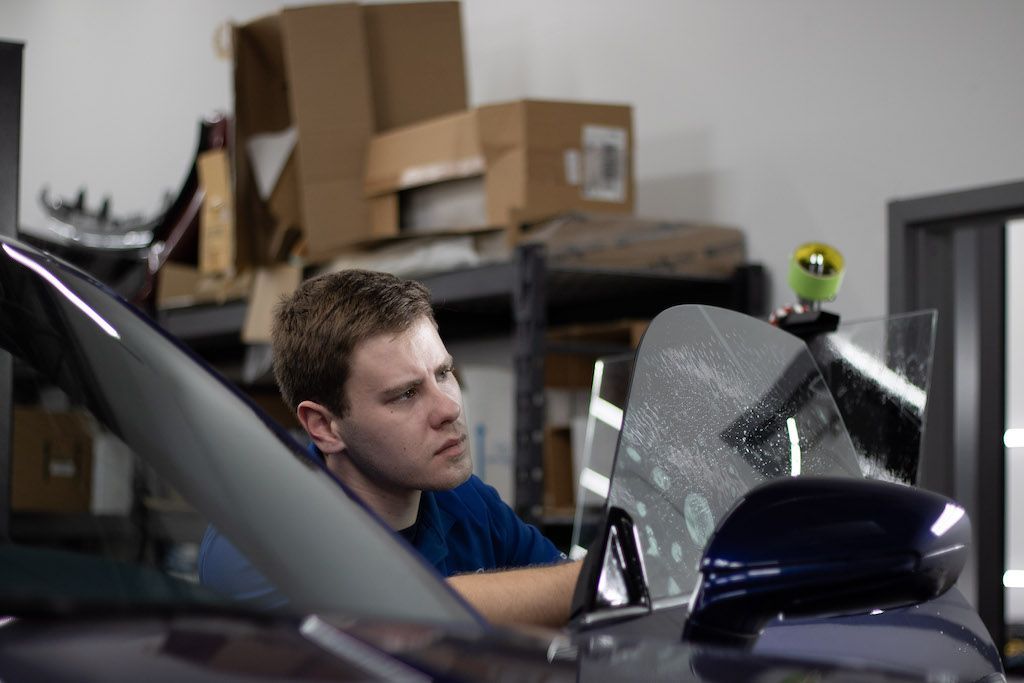
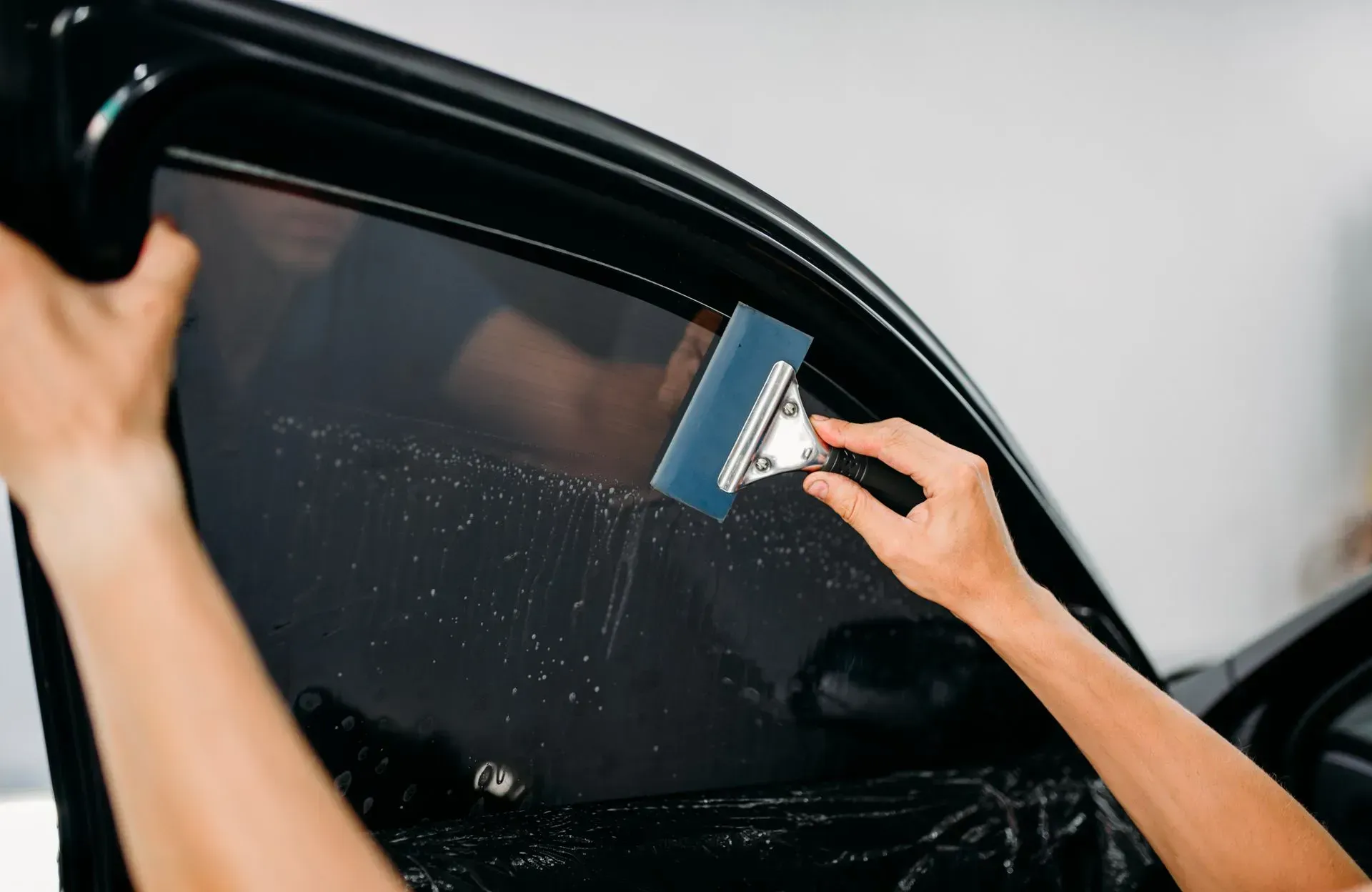
Proper installation starts with clean glass. Any contamination trapped under the film creates imperfections. Professional installers prep the surface thoroughly before applying film.
The film needs to be cut precisely to fit your specific windows. Poor fitting creates gaps that let heat through and edges that might peel. Quality installation means the film covers what it should cover, completely.
Curing matters too. Film needs time to fully bond and set up. Rushing the process or exposing the film to stress too early can compromise the installation.
A&G Auto Spa handles these details correctly because proper installation determines whether you get the performance the film is capable of delivering.
Making Summer Driving More Bearable
The bottom line on how window tint keeps your car cooler is pretty simple. Quality film blocks solar heat before it enters your cabin. Less heat entering means lower temperatures inside. Lower temperatures mean more comfort for you and less work for your AC.
If you're tired of dreading the walk to your car on hot days, tired of the steering wheel burn, tired of waiting forever for your cabin to cool down, window tint addresses all of that. Not by magic, but by actually blocking the heat that causes the problem.
It's one of those upgrades that sounds like a nice extra until you experience it. Then you wonder why you waited so long.
Get Your Windows Done
Ready to stop climbing into an oven? Contact A&G Auto Spa to discuss window tinting options for your vehicle. We'll talk about your priorities, explain your film options, and help you choose protection that actually delivers the cooler cabin you're looking for. Summer doesn't have to mean suffering in your car.
Frequently Asked Questions
How much cooler will my car actually be with window tint?
The exact temperature reduction varies based on film quality, coverage, and conditions. What you can expect is noticeable, meaningful improvement. Your interior surfaces will be cooler to the touch. The ambient air temperature will be lower. Your AC will reach a comfortable temperature faster. Rather than specific degree promises that depend on too many variables, think of it as genuine comfort improvement that you'll feel on every hot day.
Does darker tint block more heat than lighter tint?
Not necessarily. Darkness (visible light transmission) and heat rejection are different measurements. Ceramic films can block significant heat while maintaining a relatively light appearance because they target infrared radiation specifically rather than just darkening the window. If heat rejection is your priority, film technology matters more than darkness. Quality ceramic film in a medium shade may reject more heat than basic dark film.
Will window tint help even if I park in a garage?
How window tint keeps your car cooler applies whenever sun hits your windows, which happens during driving even if you park in shade. Tinted windows reduce heat buildup during your commute, at parking lots, and anytime you're exposed to sun. Garage parking helps with overnight heat buildup, but tint protects you during actual driving hours when you're exposed to direct sunlight.
Can I tint my windshield for heat rejection?
Yes, clear and nearly clear windshield films exist specifically for heat rejection without significantly affecting visibility. These films target infrared radiation while maintaining the transparency needed for safe driving. They won't darken your windshield noticeably, but they can reduce the heat pouring through your largest glass surface. Ask about windshield film options when discussing your tint installation.
How long does window tint last before the heat rejection decreases?
Quality professional film maintains its properties for years under normal conditions. The ceramic particles or heat-rejecting technology is built into the film and doesn't wear out quickly. Lower-grade films may degrade faster, losing heat rejection capability as they age. Proper installation and avoiding harsh chemicals on tinted surfaces help maintain performance. Professional-grade film from reputable manufacturers is designed for long-term thermal performance.