Full Wrap, Front End, or Partial: Choosing How Much of Your Car to Protect
So you've decided paint protection film makes sense for your vehicle. Good call. But now comes the next question, and honestly, it's the one that trips up most buyers. How much of your car actually needs protection?
The answer isn't the same for everyone. And that's kind of the point. Paint protection film coverage options exist because different drivers face different conditions. A sales executive logging highway miles every day sees very different risks than someone who only drives their sports car on sunny weekends.
Here's the thing. You don't have to guess at this. Once you understand what each coverage level actually protects and why, the right choice usually becomes pretty obvious. Let's walk through the options so you can show up to your consultation already knowing what makes sense for you.
At A&G Auto Spa, we walk customers through these decisions every day. We're going to give you the same framework we use, no sales pitch attached.
Understanding What the Film Actually Does
Before we get into coverage levels, let's make sure we're on the same page about what paint protection film does in the first place.
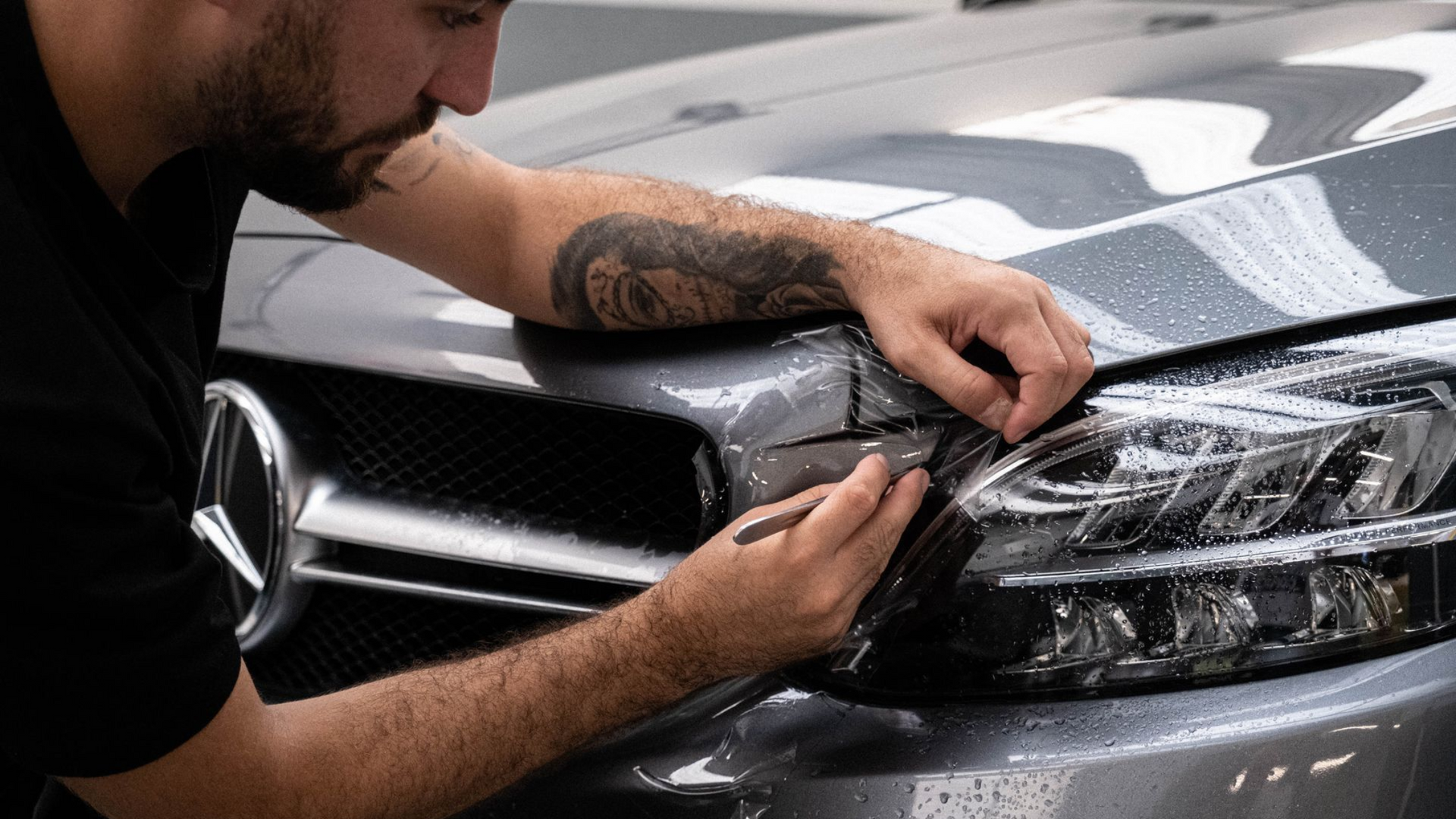
PPF is a clear, nearly invisible film that sits on top of your paint. It absorbs impacts from road debris, rocks, and other hazards that would otherwise chip or damage your finish. The film takes the hit so your paint doesn't have to.
Think of it like an invisible shield. When a rock kicks up from the car ahead of you, it strikes the film instead of your paint. The film handles it. Your paint stays perfect underneath.
This matters because paint damage is permanent. Once a rock chip happens, it's there. You can touch it up, but it's never quite the same. Protection prevents the damage in the first place, which is a completely different outcome than trying to fix damage after the fact.
Front End Coverage: The High Impact Zones
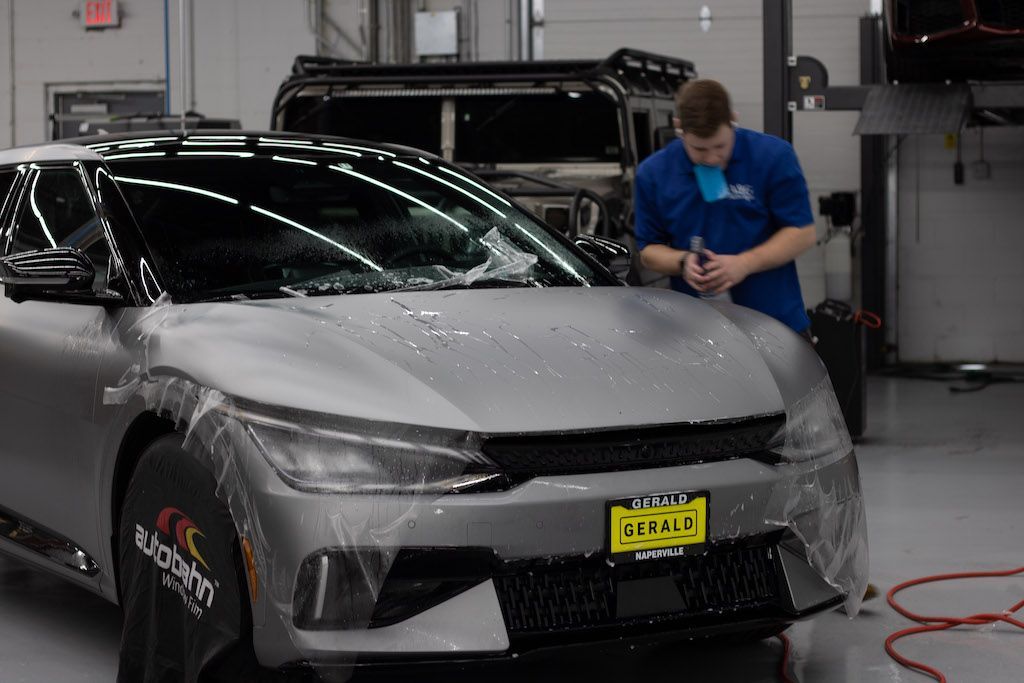
Let's start with the most common entry point. Front end coverage protects the areas that catch the most debris during normal driving.
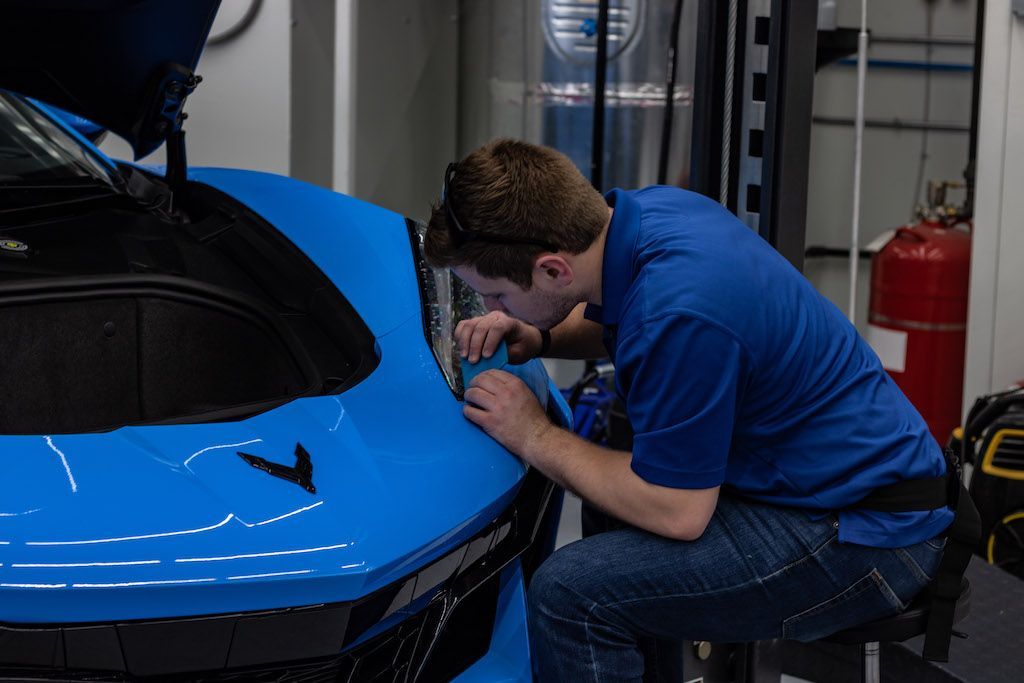
We're talking about the hood, front bumper, fenders, and sometimes the mirrors. These are the surfaces facing forward, directly in the path of anything the road throws your way.
Who this works for:
- Daily commuters who drive mostly highway miles
- Drivers whose vehicles stay in garages when not in use
- Owners focused on protecting the highest risk areas first
- Those working with a specific budget who want maximum impact
Front-end coverage addresses the 80/20 reality of paint damage. The front of your vehicle catches the vast majority of road debris impacts. Protecting these areas handles most of what typical driving dishes out.
If you're a highway commuter, you know exactly what we mean. Those moments when gravel sprays up from a truck ahead, when construction debris scatters across lanes, when you can actually hear things hitting your car. That's all happening to your front end.
Partial Coverage: Extending the Protection
Partial coverage takes things a step further. In addition to the front end, it adds protection to other vulnerable areas that see regular exposure.
This might include rocker panels along the lower sides of your vehicle. Door edges that contact parking structures or other car doors. A-pillars that catch debris at highway speeds. Rear bumper areas that take hits from parking lot incidents.
Who this works for:
- Drivers who park in busy lots or tight garages
- Owners of vehicles with body lines that catch debris at angles
- Those who've noticed wear patterns on previous vehicles
- Drivers wanting more coverage without going full wrap
Partial coverage makes sense when you think about where damage actually shows up on your specific vehicle. Some cars have rocker panels that sit right in the spray zone from the tires. Some have rear bumpers that stick out just enough to catch every parking lot bump.
You know your car. You probably already know its vulnerable spots. Partial coverage lets you address those areas specifically.
Full Vehicle Coverage: Complete Protection
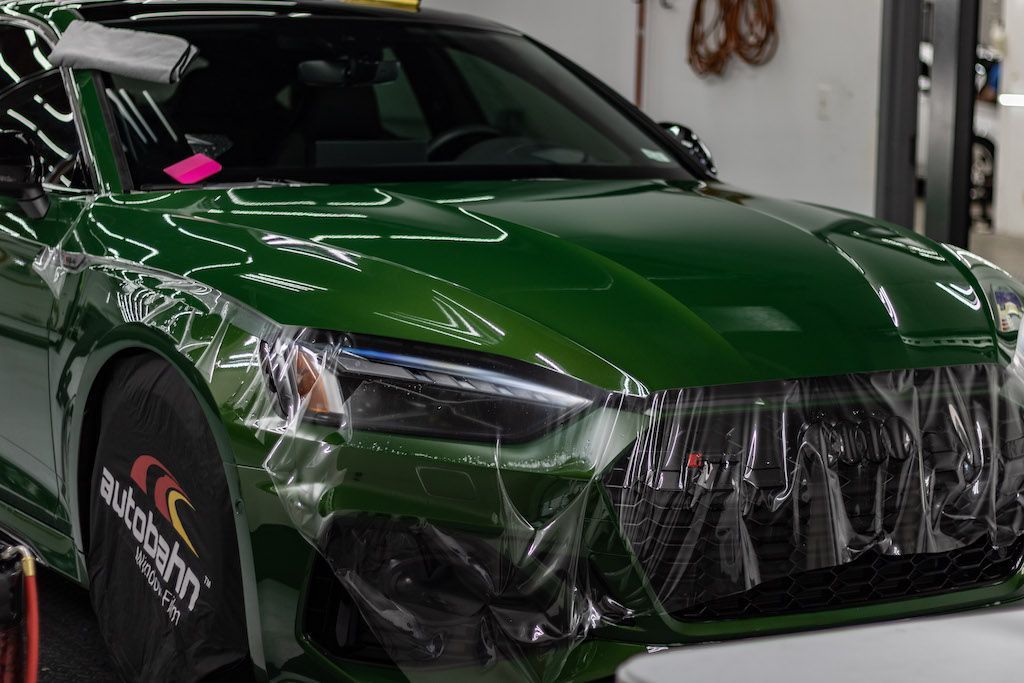
Full wrap means exactly what it sounds like. The entire painted surface of your vehicle gets covered with protection film.
Every panel, every edge, every painted surface receives the same invisible protection. There's no exposed paint left vulnerable to road conditions.
Who this works for:
- High mileage drivers facing constant road exposure
- Owners of vehicles they plan to keep long-term
- Drivers in harsh conditions (construction areas, gravel roads, heavy traffic)
- Those for whom paint condition affects future resale plans
- Enthusiasts who simply want zero compromise
Full coverage isn't about fear or paranoia. It's about math. If you drive enough miles in enough challenging conditions, damage will find every panel eventually. Full coverage means it never reaches your paint, period.
Think about the weekend enthusiast who takes spirited drives on back roads. Those roads kick up gravel differently than highways. It doesn't just hit the front. It sprays sides, rear quarters, everything. For that driver, full coverage matches the reality of how they actually use their vehicle.
Matching Coverage to How You Actually Drive
Here's where paint protection film coverage options get practical. Let's look at some real scenarios.
The highway commuter. You drive 50-plus miles daily, mostly interstate. Your front end sees constant bombardment from trucks, construction vehicles, and road debris. Your sides and rear see much less action because you're moving in one direction at steady speeds.
Front end coverage probably handles your reality well. The threats you face concentrate on the surfaces pointing forward. You might add door edges if you park in tight spaces at work, but the front catches the bulk of what you encounter.
The urban driver. You deal with city streets, parking garages, parallel parking, and stop-and-go traffic. Rocks aren't your main concern. Door dings, parking bumps, and tight space maneuvering are common.
Partial coverage targeting door edges, bumpers, and rocker panels might serve you better than focusing heavily on the hood. Your threats come from all angles, not just the front.
The long-haul owner. You plan to keep this vehicle for years. Maybe a decade or more. You want it looking good the entire time, and you want strong resale value when you eventually move on.
Full coverage starts making serious sense here. Over 8 or 10 years of driving, damage accumulates everywhere. Protecting everything from day one means the paint stays in original condition throughout ownership. The per-year value of that protection actually gets better the longer you keep the vehicle.
The weekend car. This one only comes out for fun. It stays garaged most of the time. But when it comes out, you're not taking it easy.
Full coverage often makes sense here too, but for different reasons. The value concentration is high, the miles are low but intense, and the whole point is enjoying a perfect vehicle. Protection preserves exactly what you bought it for.
The Budget Question (Without Being Weird About It)
Let's just address this directly. More coverage costs more money. That's obvious.
But here's how to think about it. Paint protection film coverage options aren't about spending the most or spending the least. They're about matching protection to actual risk.
Front-end coverage protects where most damage happens. For many drivers, that's genuinely sufficient. It's not a compromise or a budget cut. It's the right match for their driving reality.
Full coverage protects everywhere. For drivers whose conditions warrant it, that's the right match. Not overkill. Not showing off. Just addressing the full scope of their exposure.
The wrong move is picking coverage that doesn't match your reality. Overprotecting a garage queen that never sees highway miles wastes money. Underprotecting a daily driver that faces constant debris costs you paint condition over time.
Match the protection to the driving. That's it.
How A&G Auto Spa Approaches Coverage Decisions
We offer multiple PPF coverage levels specifically because one size doesn't fit all. Our packages start with high-impact zones and scale up to full vehicle coverage.
During consultation, we ask about your driving patterns, parking situations, and ownership plans. Not to push you toward more coverage, but to help you land on what actually makes sense.
Paint correction before film application ensures whatever you protect looks perfect when it gets sealed. The coverage level you choose gets applied to paint in optimal condition.
We'd rather you get the right coverage than the most coverage. That's better for you, and honestly, it's better for us too. Customers who feel well advised come back.
Make an Informed Choice
You now understand the framework for evaluating paint protection film coverage options. Front end for high-impact concentration. Partial for expanded vulnerability. Full wrap for complete protection.
Think about how you actually drive. Where does your car spend its time? What conditions does it face? What matters to you about its condition over your ownership period?
The right answer emerges from those questions, not from pressure in a sales conversation.
Schedule Your Consultation
Ready to discuss paint protection film coverage options for your specific situation? Contact A&G Auto Spa to schedule a consultation. We'll walk through your driving patterns, look at your vehicle, and help you determine which coverage level matches your actual needs. Come in informed. Leave with protection that makes sense.
Frequently Asked Questions
Can I start with front end coverage and add more later?
Yes, you can absolutely add coverage in stages. Many owners start with front-end protection and expand over time. The existing film stays in place while new sections get added. The only consideration is matching film type and ensuring proper alignment at the edges where old meets new. This staged approach works well for owners who want to spread the investment while still getting protection on the highest-risk areas immediately.
How do I know if partial coverage is enough for my car?
Look at where damage tends to appear on your specific vehicle. Check your rocker panels, door edges, rear bumper, and lower body sections. If you're already seeing chips or wear in those areas, partial coverage addresses them directly. If your vehicle stays mostly clean outside the front end, you might not need the extended coverage. Your driving patterns tell the story. Mostly highway driving concentrates damage up front. City driving and parking spreads it around.
Does full coverage cost twice as much as front end?
Coverage pricing scales with surface area, but it's not a simple multiplier. Full vehicle coverage protects significantly more surface than front end only, so the investment reflects that. However, the per panel cost often decreases as you protect more surface area. The better question is whether full coverage matches your needs. If it does, the investment protects paint value over your entire ownership period. If front-end matches your reality, you're not leaving anything on the table by choosing it.
Will people notice the film on my car?
Quality PPF installed professionally is nearly invisible. The film is optically clear and designed to disappear on your paint. Under normal viewing conditions, people see your paint color and finish, not the film protecting it. You might notice edges on very close inspection, but from typical distances, the protection stays invisible. That's the entire point. Unseen protection that lets your actual paint appearance come through.
How long should I expect the film to last regardless of coverage level?
Film longevity depends more on quality and care than coverage level. Quality film professionally installed typically provides protection for several years under normal conditions. The coverage level you choose, whether front end or full wrap, receives the same quality film with the same durability characteristics. Proper maintenance, including appropriate washing and avoiding harsh chemicals, helps the film perform throughout its service life regardless of how much surface area you protected.