Ceramic Window Tint or Standard Film? Understanding the Real Differences
You're shopping for window tint and noticing significant price differences between options. The terms "ceramic" and "standard" appear repeatedly, but what actually separates them? Understanding ceramic window tint vs regular tint helps you evaluate whether the price difference reflects real value for your situation.
A quick clarification before we begin: this article discusses window tint film applied to glass, not the ceramic coating applied to paint. These are different products serving different purposes. Window tint controls light and heat through your glass. Ceramic coating protects your paint's surface. The word "ceramic" appears in both, but the applications are distinct.
At A&G Auto Spa, we install both film types and help customers understand which serves their needs. Let's examine what actually differs between these options.
What Standard Window Tint Film Is
Standard window tint, often called dyed film, uses colored dye within the film layers to block visible light. The dye absorbs solar energy, reducing glare and providing privacy. Darker films absorb more light, creating a shaded appearance and providing some heat reduction because energy absorbed by the film doesn't pass directly through.
Standard films work for owners whose primary concern is appearance or basic sun management, delivering acceptable results at a lower initial cost.
What Ceramic Window Tint Film Is
Ceramic window tint uses nano-ceramic particles embedded within the film layers rather than dyes. These ceramic particles selectively filter different wavelengths of light, blocking infrared radiation (which carries heat) while allowing visible light to pass more freely. This selective filtering means ceramic film can reject significant heat without requiring extreme darkness.
Rather than simply absorbing light like dye, ceramic particles reflect and scatter infrared wavelengths before they enter your vehicle's interior.
Heat Rejection: The Core Performance Difference
The most significant distinction in ceramic window tint vs regular tint involves heat rejection capability.
Standard dyed film reduces heat primarily through absorption. The film absorbs solar energy, warming itself rather than letting all energy pass through. Some absorbed heat still radiates into your interior.
Ceramic film rejects heat through reflection and wavelength filtering, blocking infrared radiation before it enters your vehicle. Your interior stays cooler, air conditioning works less, and comfort improves noticeably. The practical difference becomes apparent on hot days: vehicles with ceramic tint feel noticeably cooler when parked in direct sun.
Optical Clarity and Visibility
Standard dyed films can develop haziness or purple discoloration over time as dyes degrade from UV exposure. Some standard films also create slight distortion at angles.
Ceramic films maintain optical clarity more consistently. The ceramic particles are stable and don't degrade like organic dyes. The film remains clear without developing color shift. For drivers who prioritize clear sightlines, ceramic film's optical stability provides ongoing value.
Longevity and Durability Considerations
Standard dyed films are susceptible to fading and color shift over time. The organic dyes break down under constant UV exposure. Bubbling, peeling, or adhesive failure can also occur with lower-quality films.
Ceramic films resist degradation more effectively. The inorganic ceramic particles don't break down like organic dyes. Color stability and heat rejection capability persist rather than diminishing. Quality standard film performs better than bargain alternatives, but ceramic technology sidesteps the fundamental dye stability limitation entirely.
Signal Transparency
Ceramic window tint maintains signal transparency. The ceramic particles don't block radio frequencies, so your phone, GPS, and wireless devices function normally. Standard dyed films also typically allow signal passage. Signal interference concerns apply primarily to metallic films, a different category.
Making Your Selection
Choosing between ceramic window tint vs regular tint depends on your priorities and how you use your vehicle.
Consider ceramic film if heat rejection matters significantly. If you park in direct sun regularly, commute in hot conditions, or simply value interior comfort, ceramic film's superior heat blocking delivers daily benefit. The cooler interior, reduced air conditioning load, and protected dashboard and upholstery provide ongoing returns.
Consider ceramic film if longevity matters. If you plan extended vehicle ownership and want a film that maintains appearance and performance over the years rather than gradually degrading, ceramic technology's stability becomes valuable.
Consider standard film if basic shading meets your needs. If your primary goals are appearance and glare reduction, and you park in shade frequently or live in milder climates, standard film may serve adequately at a lower cost.
The price difference between options reflects real performance differences. Ceramic film costs more because the technology delivers more. For quality-oriented buyers who understand what they're purchasing, the ceramic premium often represents sensible value rather than unnecessary expense.
Professional Installation for Either Choice
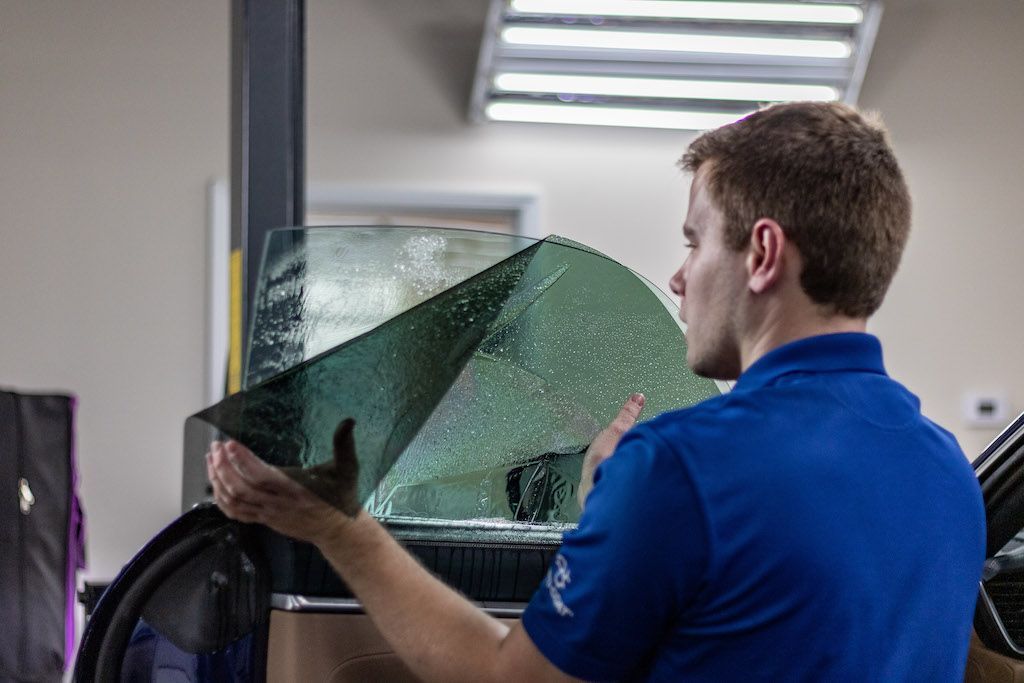
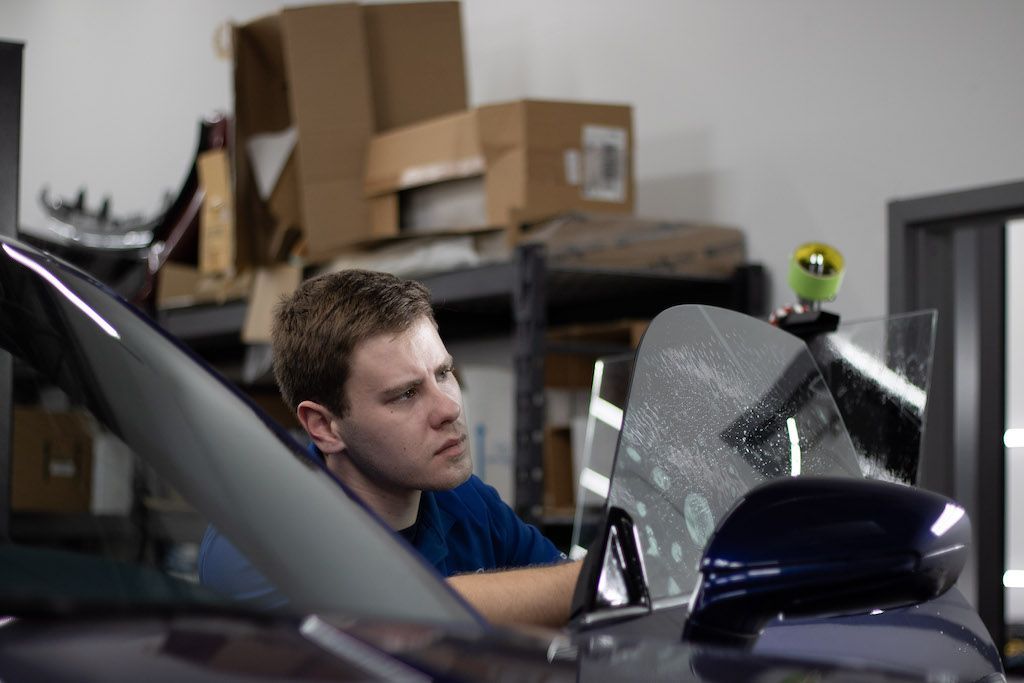
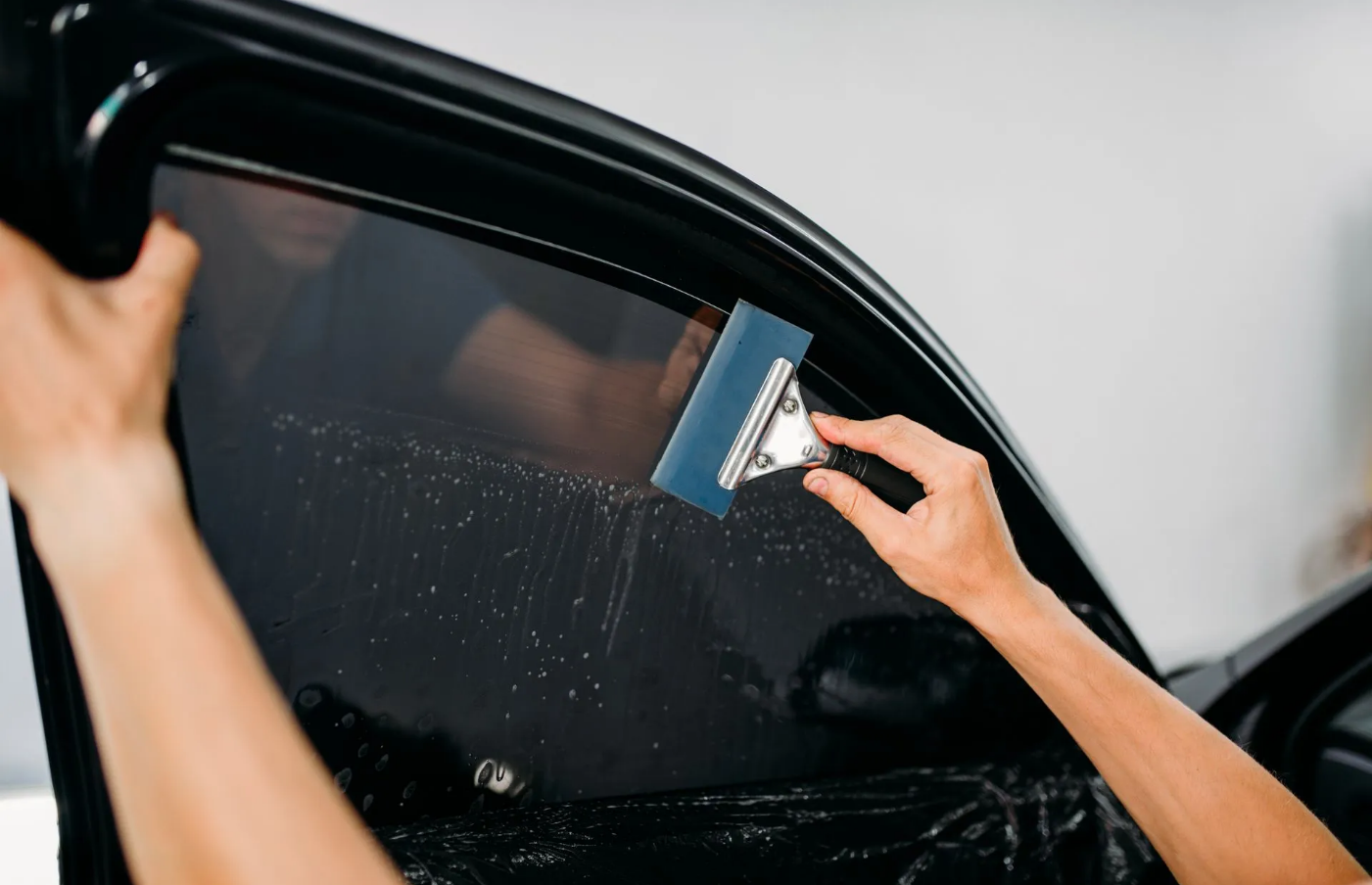
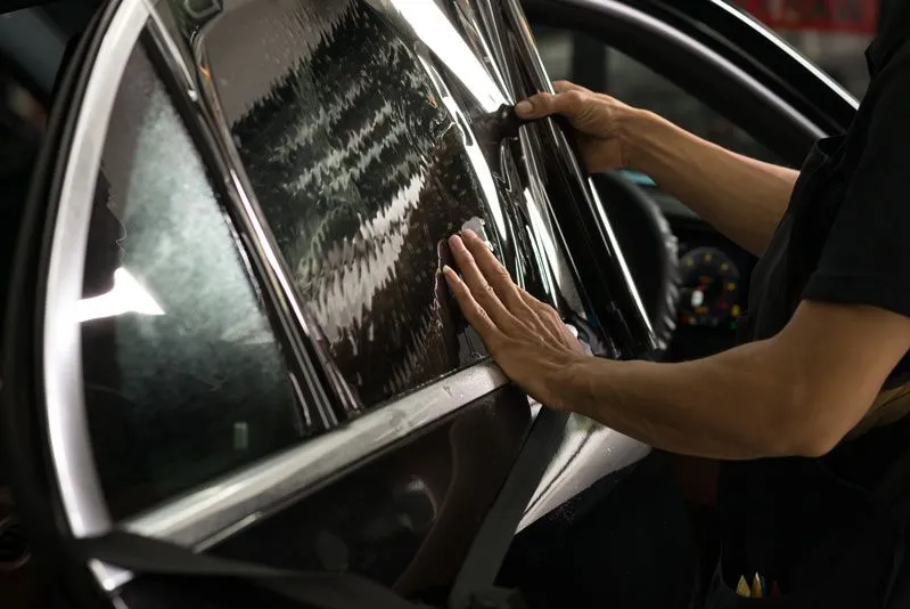
Whichever film type you select, professional installation determines how well it performs. Proper surface preparation, precise cutting, and correct application technique affect both appearance and longevity. Professional window tinting ensures your investment, whether standard or ceramic, delivers its intended performance.
Installation quality matters regardless of film type. A perfectly installed standard film outperforms a poorly installed ceramic film. Start with quality installation, then select the film technology that matches your performance expectations.
Discuss Your Window Tinting Options
Questions about ceramic window tint vs regular tint for your specific vehicle and situation? Contact A&G Auto Spa to discuss window tinting options suited to your needs. We explain the differences clearly and help you select a film that delivers the performance you're seeking.
Frequently Asked Questions
Does ceramic tint look different from standard tint?
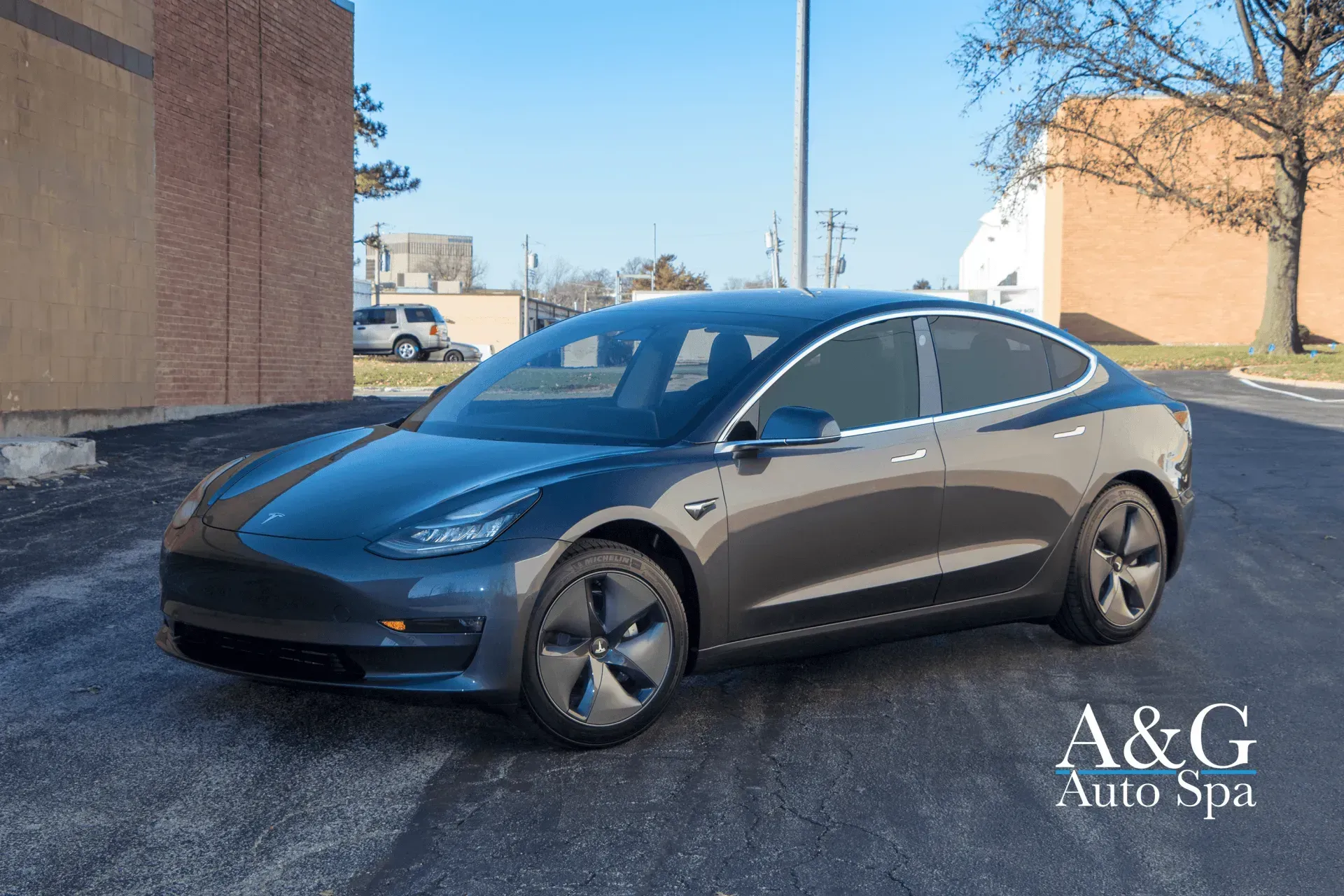
Installed ceramic window tint vs regular tint can look similar at equivalent darkness levels. The visual difference isn't the film's shade but its performance characteristics. Ceramic film achieves heat rejection without requiring extreme darkness, so you can have effective heat blocking with a lighter appearing tint if desired. Over time, ceramic film maintains its original appearance, while standard film may show color shift.
Can ceramic window tint be applied to any vehicle?
Ceramic window tint works on virtually any vehicle with standard automotive glass. The film bonds to glass surfaces using the same installation methods as standard tint. Whether your vehicle is new or has been driven for years, ceramic film can be professionally applied. The key is proper surface preparation and professional installation technique, which apply equally to ceramic window tint vs regular tint applications.
Will window tint affect my vehicle's electronics?
Ceramic window tint does not interfere with electronic signals. Your phone, GPS, toll transponders, and other wireless devices function normally. This signal transparency is a ceramic film advantage. Standard dyed films also typically allow signal passage. Signal interference concerns apply primarily to metallic films, which use different technology than either ceramic or standard dyed options.
How do I care for window tint after installation?
Both ceramic and standard tint require similar care after installation. Allow proper curing time before cleaning. Use ammonia-free cleaning products designed for tinted windows. Avoid abrasive materials that could damage the film surface. With proper care, quality film of either type maintains its appearance. The
ceramic window tint vs regular tint difference appears in long-term performance rather than maintenance requirements.