PPF vs. Ceramic Coating: Which Package is Right for You?
You're researching vehicle protection and keep seeing two terms: paint protection film and ceramic coating. Maybe you've wondered if they're the same thing with different names. They're not. Understanding paint protection film vs ceramic coating differences helps you choose the right protection based on how you actually use your vehicle.
Here's a helpful analogy. Think about protecting your smartphone. A phone case provides impact protection from drops and bumps. A screen coating adds environmental protection against fingerprints and marks. Most people use both because they address different threats. Vehicle protection works the same way.
At A&G Auto Spa, we help vehicle owners match protection to their driving reality. Let's break down what each protection type does, when each makes sense, and why the combination often delivers optimal results.
Paint Protection Film: Your Impact Protection Layer
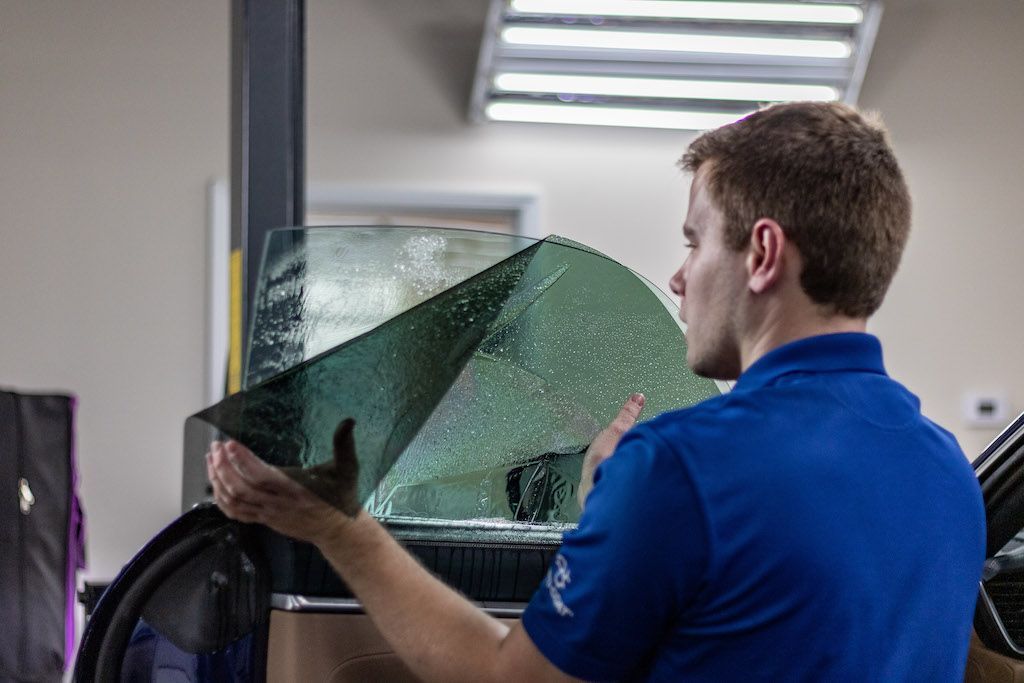
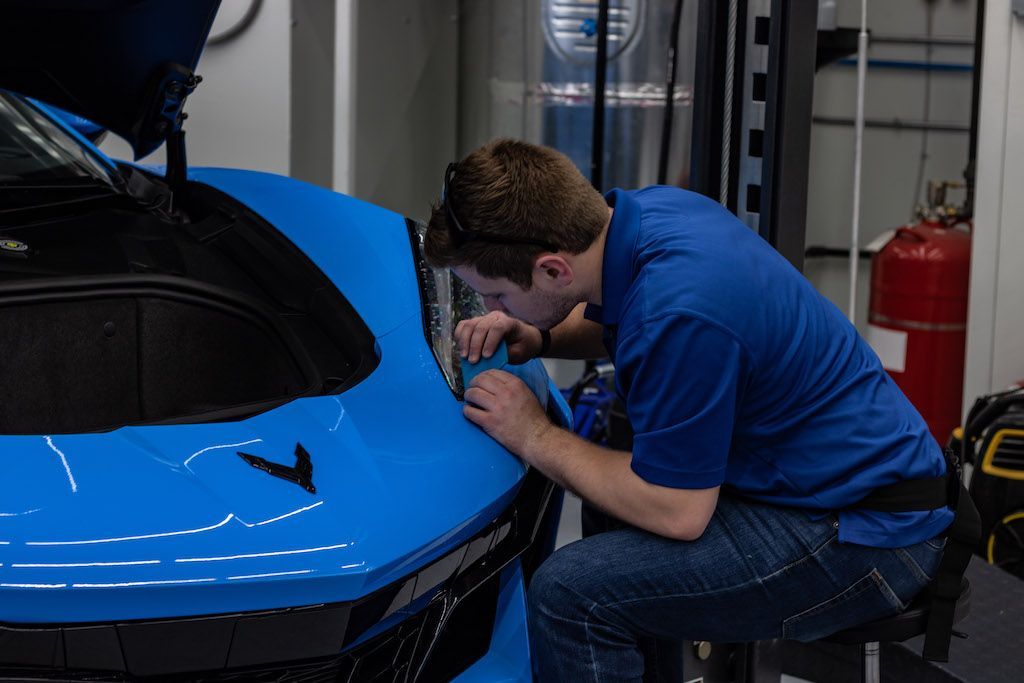
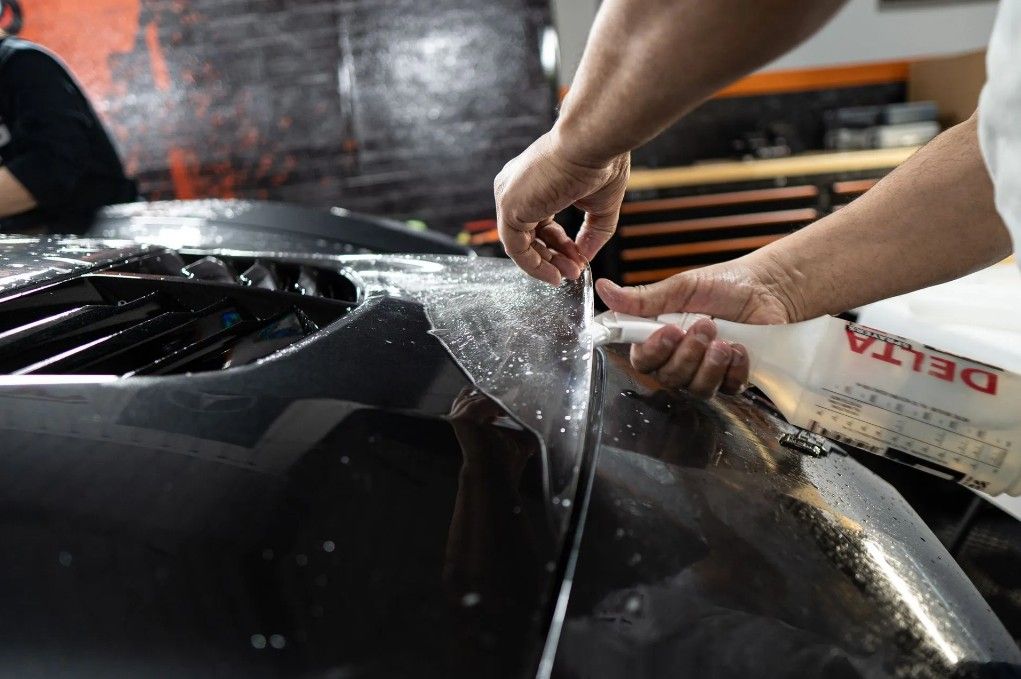
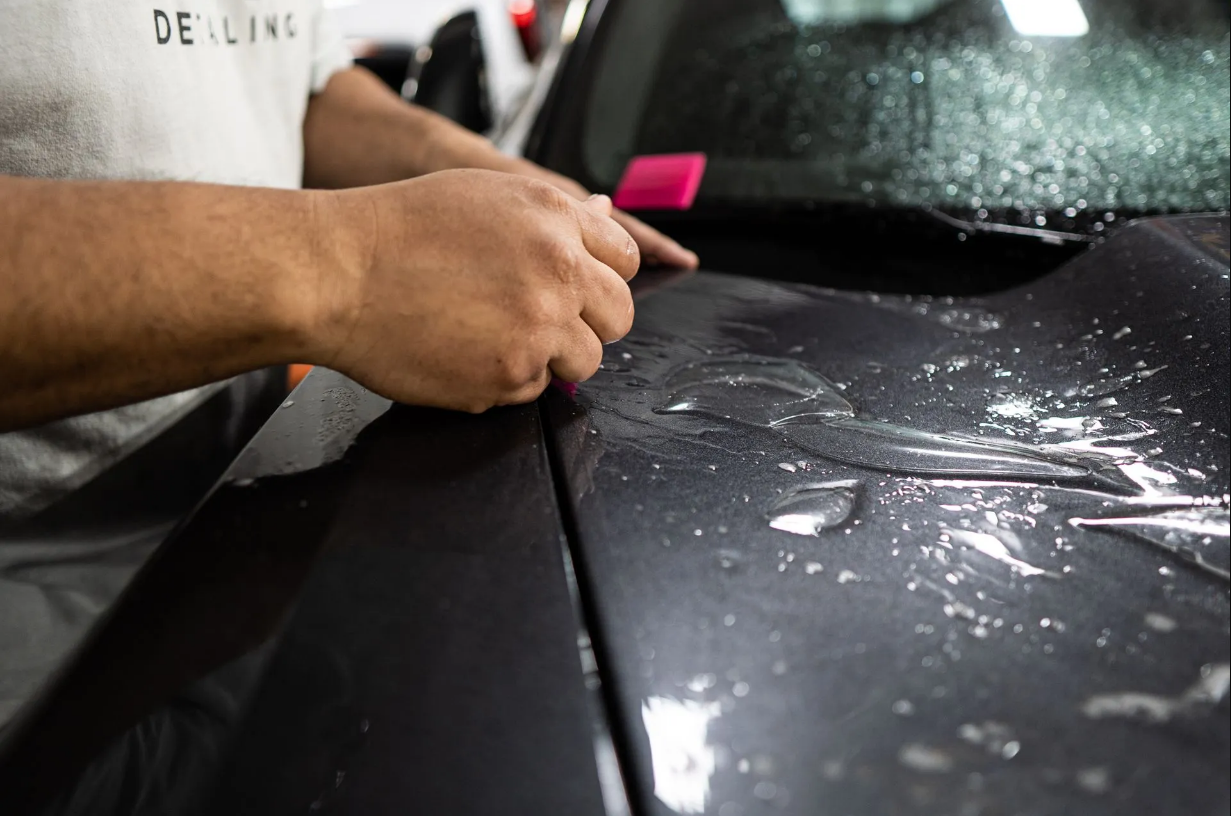
Paint protection film, often called PPF or a clear bra, creates a physical barrier between your paint and the outside world. This transparent film absorbs impacts that would otherwise chip or damage your paint.
PPF addresses physical threats: road debris, parking lot door dings, tree branches, keys, and zippers. The film's self-healing properties handle minor surface damage, with light swirls disappearing from heat exposure. When you remove PPF or trade your vehicle, the paint underneath looks factory fresh, directly impacting resale value.
Ceramic Coating: Your Environmental Protection Layer
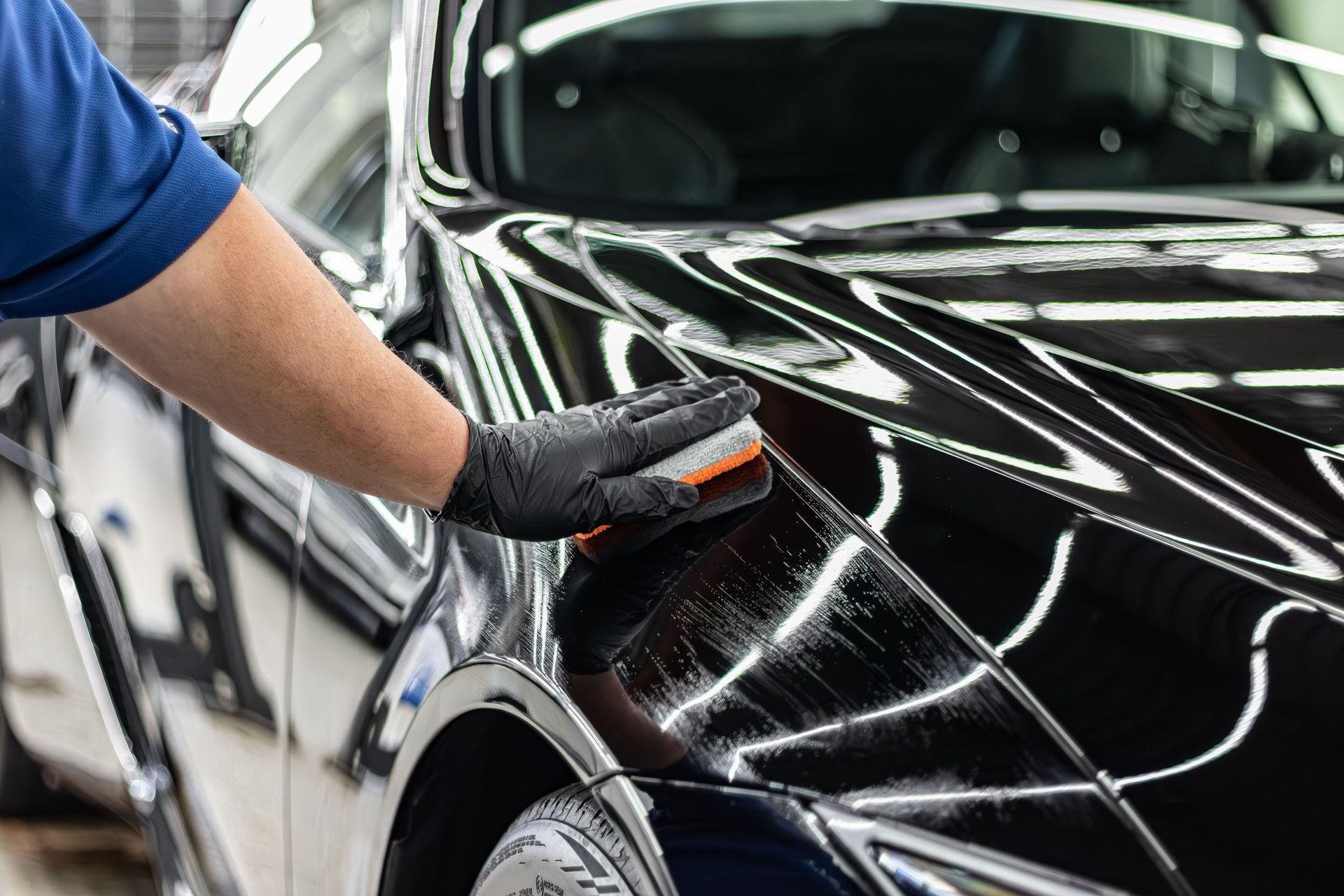
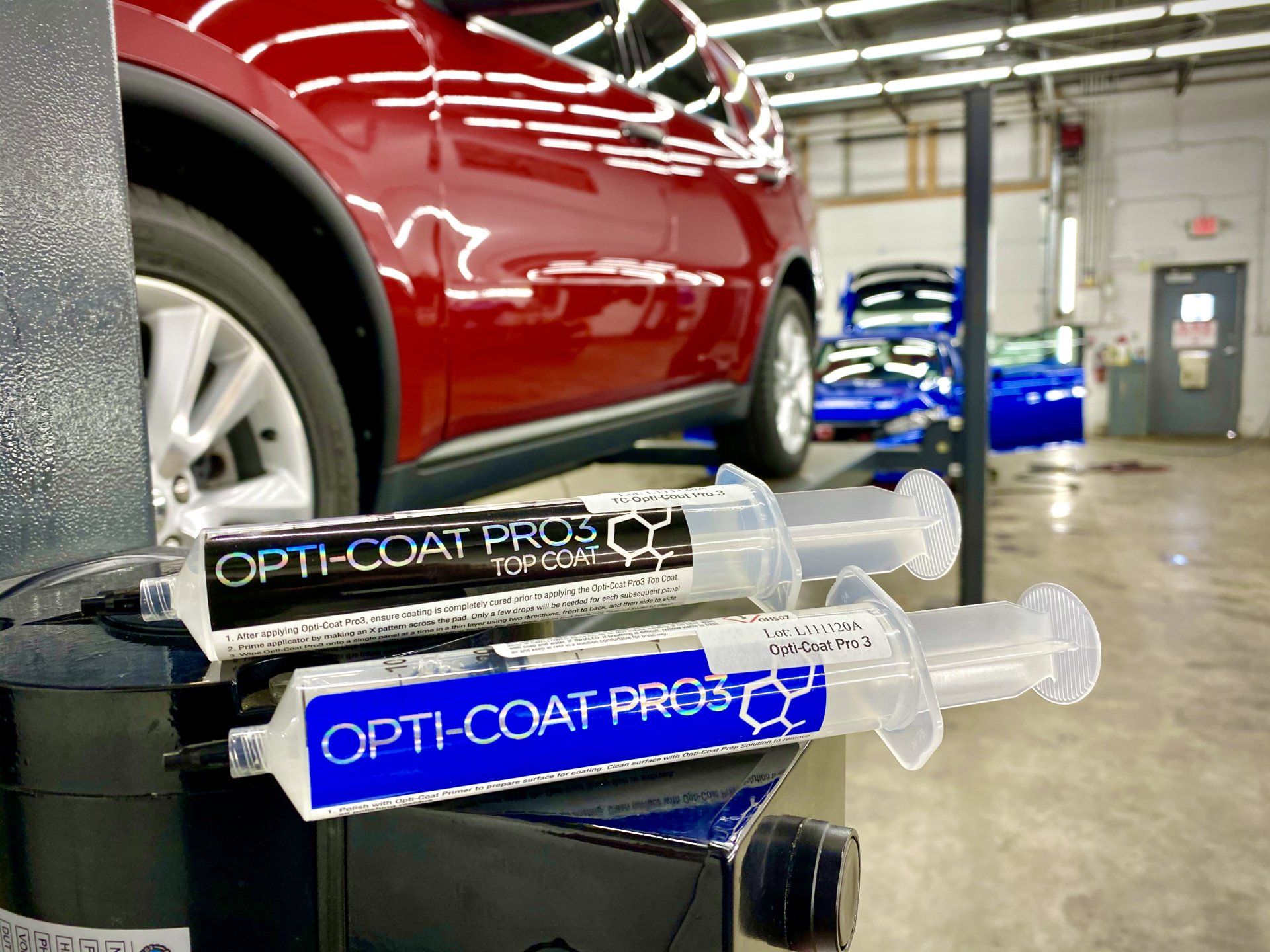
Ceramic coating creates a hard, protective layer that bonds with your paint. This coating doesn't absorb physical impacts like PPF. Instead, it protects against environmental threats that degrade paint over time.
The coating blocks UV radiation, causing paint fading, repels contaminants like bird droppings and tree sap, and creates hydrophobic properties that make water bead off. It provides chemical resistance against road salt and acid rain while enhancing gloss. Unlike PPF, ceramic coating is permanent until professionally removed and doesn't self-heal physical damage.
Key Differences in Protection Approach
Understanding paint protection film vs ceramic coating requires recognizing what threats each addresses.
Physical impact protection:
- PPF: Excellent. Designed specifically to absorb impacts from road debris and contact
- Ceramic coating: Minimal. Not designed to prevent chips or impact damage
Environmental protection:
- PPF: Good. Film provides some environmental resistance
- Ceramic coating: Excellent. Engineered specifically for environmental threats
Self-healing capability:
- PPF: Yes. Heat activates molecular reorganization to repair minor surface marks
- Ceramic coating: No. Surface marks remain unless professionally corrected
Maintenance impact:
- PPF: Makes protected areas more resistant to visible damage
- Ceramic coating: Makes the entire vehicle easier to wash and keep clean
Installation areas:
- PPF: Typically high-impact zones like hoods, bumpers, fenders, mirrors
- Ceramic coating: Applied to the entire vehicle exterior
Matching Protection to Your Driving Reality
Your driving habits determine which protection makes most sense.
Highway commuters face constant road debris at high speeds. PPF on hoods and bumpers prevents accumulating damage. Ceramic coating handles environmental exposure during daily driving.
City drivers encounter tight parking and environmental contamination. Ceramic coating addresses environmental threats, while PPF on door edges and mirrors prevents contact damage.
Garage-kept weekend vehicles experience less physical impact but still face UV and environmental exposure. Ceramic coating provides excellent protection. PPF becomes optional unless the vehicle sees debris-heavy roads.
Daily drivers in harsh climates face road salt, extreme sun, and constant exposure. Combined PPF and ceramic coating address the full range of threats.
The Combined Protection Advantage
Here's where paint protection film vs ceramic coating becomes less about choosing one and more about using both strategically.
Many vehicle owners choose PPF for high-impact areas and ceramic coating for comprehensive coverage. This layered approach delivers benefits neither alone can match. Your most vulnerable areas get impact resistance while your entire vehicle gets environmental protection. The coating can even be applied over PPF, protecting the film while adding hydrophobic properties to those areas.
Making Your Protection Decision
Consider these factors when deciding on paint protection film vs ceramic coating:
Your vehicle's value and ownership duration influence protection choices. Higher-value vehicles and longer ownership justify more comprehensive protection. Your typical driving environment determines threat levels. Highway driving creates more impact risk, while urban parking creates more environmental exposure. Your maintenance preferences matter too. Budget helps determine scope, whether starting with strategic PPF and adding coating later or beginning with full coating and adding PPF to vulnerable areas.
Professional Guidance Makes the Difference
Choosing between paint protection film vs ceramic coating becomes clearer with professional consultation. A&G Auto Spa can assess your vehicle, discuss your driving patterns, and recommend protection that matches your needs. Professional installation ensures both perform as designed.
Get Personalized Protection Recommendations
Ready to protect your vehicle with the right combination of PPF and ceramic coating? Contact A&G Auto Spa to discuss your specific situation. Our team can help you understand which protection approach delivers the best results for your vehicle, budget, and driving reality. Whether you choose PPF, ceramic coating, or the combined protection approach, we'll ensure your vehicle gets the defense it needs.
Frequently Asked Questions
Can I apply ceramic coating over paint protection film?
Yes, ceramic coating can be applied over paint protection film vs ceramic coating isn't an either-or decision. Applying ceramic coating over PPF adds the coating's hydrophobic properties and environmental protection to the film-protected areas. This combination delivers impact protection from the PPF plus the enhanced gloss, easier cleaning, and environmental resistance from the ceramic coating. Many vehicle owners choose this layered approach for comprehensive protection on high-impact areas.
How long does each protection type last?
Paint protection film vs ceramic coating have different service expectations based on their design. PPF can last several years with proper care, maintaining its clarity and self-healing properties throughout that period. Ceramic coatings bond permanently to paint and maintain their protective properties with appropriate maintenance. Both require proper washing techniques and occasional professional maintenance to perform optimally. The exact longevity depends on environmental exposure, maintenance quality, and driving conditions.
Do I need paint correction before applying either protection?
Paint correction requirements depend on your vehicle's current condition. New vehicles with perfect paint can receive either PPF or ceramic coating without correction. Vehicles with existing swirl marks, surface imperfections, or damage benefit from paint correction before protection application. This ensures the protection goes over perfect paint, maximizing both appearance and performance. A professional assessment determines whether your vehicle needs correction before protection.
Can PPF and ceramic coating be removed if I change my mind?
PPF can be professionally removed without damaging the paint underneath when properly applied and removed. The film peels away, revealing the protected paint in its original condition. Ceramic coating bonds permanently to paint and requires professional removal if desired. Removal involves polishing to eliminate the coating layer. Both processes should be performed by professionals to avoid paint damage. Understanding paint protection film vs ceramic coating permanence helps inform your protection decision based on your long-term plans.