Ceramic Coating or Wax? Comparing Two Very Different Ways to Protect Paint
If you've spent years waxing your car, or paying someone else to do it, you already know the drill. Apply, buff, admire for a few weeks, then watch it fade. Repeat. It's a cycle that never really ends.
But here's the thing. A lot of car owners are stepping off that treadmill entirely. They're switching to ceramic coating vs wax and finding out that protection doesn't have to mean constant upkeep. The question is whether the coating actually delivers on that promise, or if it's just another product making big claims.
Let's break this down honestly. We'll look at how each option protects your paint, how long that protection actually lasts, and what maintenance looks like for both. By the end, you'll have a clear picture of what makes sense for your situation.
At
A&G Auto Spa, we've helped plenty of longtime wax users make this switch. We're going to give you the same straight comparison we'd give them in person.
How Wax Protects Your Paint
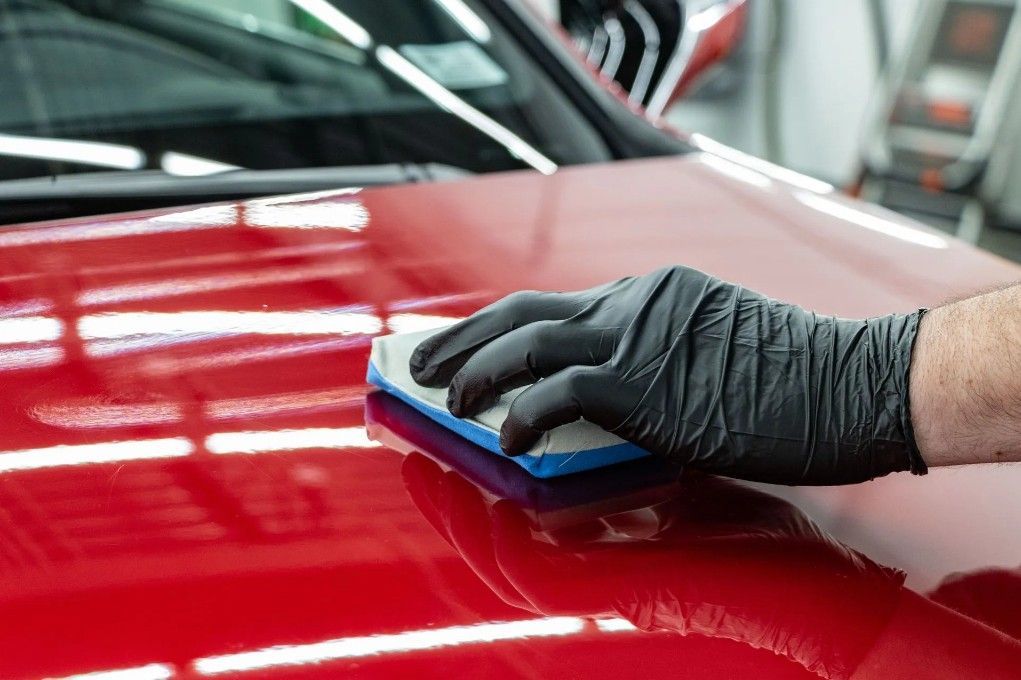
Wax has been around forever, and there's a reason for that. It works. Traditional carnauba wax creates a sacrificial layer on top of your paint. That layer takes the hit from UV rays, bird droppings, tree sap, and general environmental gunk so your actual paint doesn't have to.
The protection mechanism is pretty simple. Wax sits on top of your clear coat as a physical barrier. It doesn't bond chemically with your paint. It just coats the surface, kind of like spreading butter on bread. The butter stays on top. It doesn't become part of the bread.
This approach has some advantages. Wax is relatively inexpensive. You can apply it yourself in your driveway. It gives paint a warm, deep glow that plenty of enthusiasts genuinely love. For decades, it was really the only game in town for regular folks wanting to protect their finish.
But the sitting-on-top part is also the limitation. Because wax doesn't bond with your paint, it washes away over time. Heat breaks it down. Rain erodes it. Every car wash takes a little more off. That's why you're back at it every few weeks or months.
How Ceramic Coating Protects Your Paint
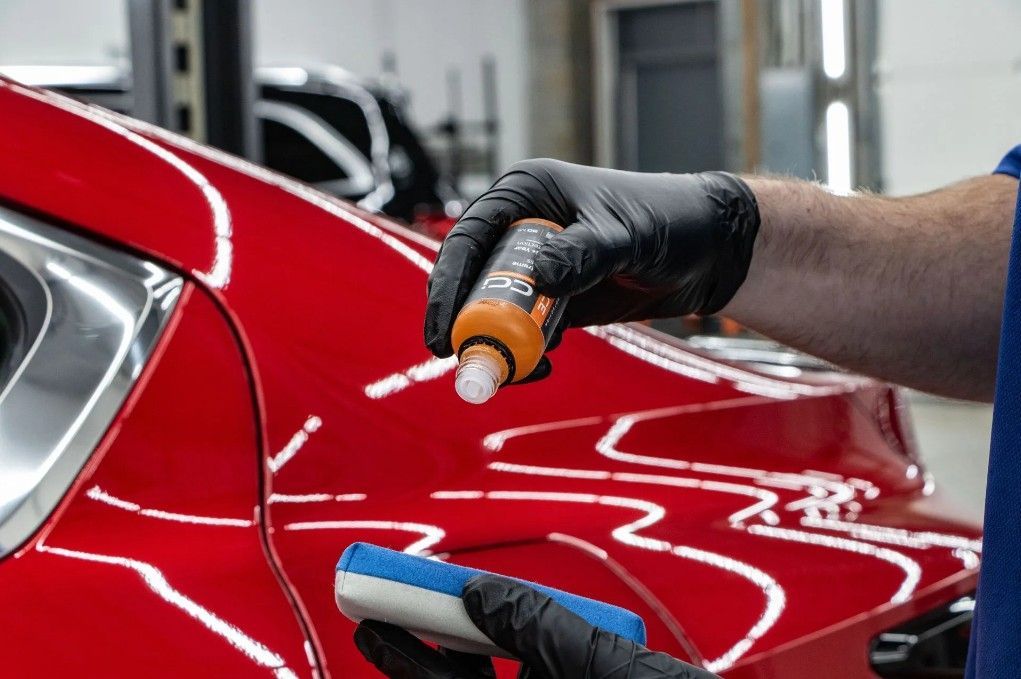
Ceramic coating works on a completely different principle. Instead of sitting on your paint, it bonds with it at the molecular level. The coating becomes part of your clear coat rather than a separate layer on top.
The bonding happens through a chemical reaction. Silicon dioxide molecules link with the molecules in your clear coat, creating cross-linked bonds that can't simply wash away. Once cured, the coating is there to stay until you mechanically remove it through polishing.
This molecular bond creates a surface with specific properties. Water beads and rolls off rather than spreading flat. Dirt and contamination don't grip the surface as aggressively. UV rays hit the coating instead of your paint. The protection is consistent because the coating doesn't degrade the way wax does.
The practical result? You stop waxing. Not because you're being lazy, but because there's literally nothing for wax to do. The coating already provides the protection wax was giving you, except it doesn't wash away after a few weeks.
Duration: The Real Difference in Ceramic Coating vs Wax
Here's where the comparison gets interesting. Duration isn't just about convenience. It changes your entire relationship with vehicle maintenance.
Traditional wax lasts somewhere between two weeks and three months depending on the product, the weather, and how you drive. Premium synthetic waxes might push the longer end of that range. Basic carnauba might be on the shorter end. Either way, you're looking at multiple applications per year, every year, for as long as you own the vehicle.
Add up those applications. If you wax quarterly, that's four times per year. Over five years of ownership, that's twenty waxing sessions. Over ten years, it's forty. Each session takes time, or costs money if you're paying someone else.
Ceramic coating lasts for years, not weeks. Quality coating professionally installed can protect your paint for several years under normal conditions. That means you apply it once and you're done for an extended period. No quarterly touch-ups. No watching the protection fade and knowing you need to do it again soon.
The ceramic coating vs wax duration gap isn't small. It's the difference between a continuous maintenance task and a one-time investment that keeps working while you forget about it.
Cleaning and Maintenance Comparison
Both wax and ceramic coating affect how you wash your car, but in very different ways.
With wax, you need to be careful about what products you use. Harsh chemicals strip wax faster. Strong detergents eat through it. You're basically trying to keep the wax intact while also keeping your car clean, and those goals sometimes conflict. Many wax users switch to milder wash products specifically to protect their wax layer.
Washing a waxed car can feel like a negotiation. You want it clean, but you don't want to strip the protection you just spent time applying.
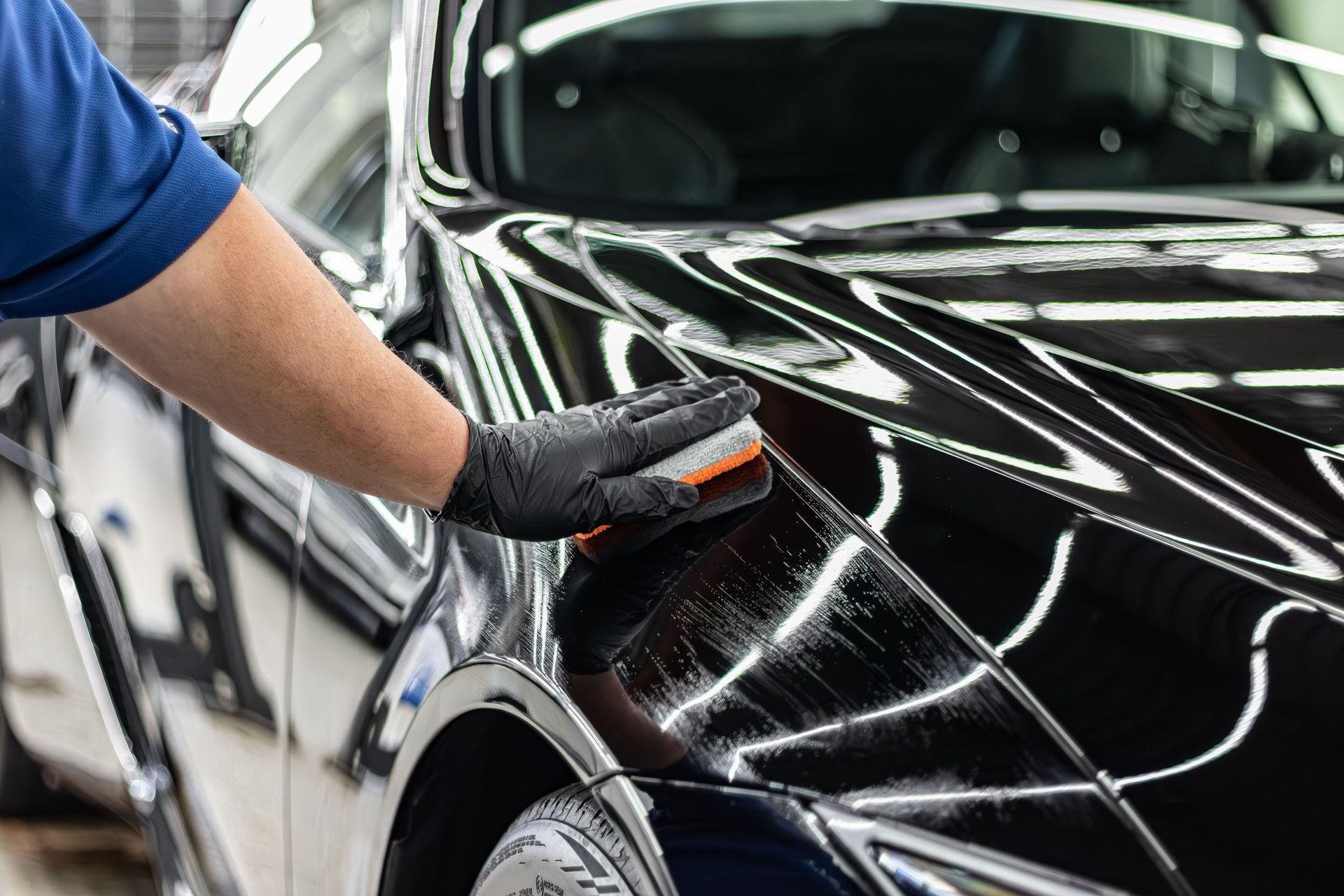
With ceramic coating, washing becomes simpler. The coating handles whatever you throw at it. You're not protecting the protection anymore. You're just cleaning the car. pH-neutral products are still a good idea because they're gentle on everything, but you're not walking on eggshells worried about degrading your protection.
And here's the bigger difference. Coated cars stay cleaner longer between washes. The hydrophobic surface means dirt doesn't bond as aggressively. Rain actually helps rinse the surface instead of leaving dirty water spots. You end up washing less often because your car doesn't get as dirty as quickly.
Less washing plus easier washing equals significant time savings over ownership.
The Gloss Factor
Let's talk about appearance, because that matters to anyone investing in paint protection.
Wax provides what many people describe as a warm, organic glow. Carnauba wax in particular has a specific look that enthusiasts appreciate. The finish is beautiful when fresh. That's not disputed. The issue is that "when fresh" part. The beautiful finish fades as the wax degrades, and you spend most of your time somewhere between fresh application and needing another one.
Ceramic coating provides consistent gloss. The finish looks the same six months after application as it did two weeks after. You're not watching it slowly dull while knowing you need to reapply soon. The visual quality stays stable because the coating itself stays stable.
The gloss from ceramic coating also has a particular character. It tends to look wetter, deeper, more reflective. Some describe it as giving the paint a liquid appearance. Whether you prefer this over traditional wax glow is partly subjective, but the consistency is objectively better.
What Each Option Demands From You
Your time matters. Let's look at what each protection approach actually requires in terms of ongoing commitment.
Wax demands regular attention. You're either dedicating a Saturday morning every few months, or you're scheduling and paying for professional waxing multiple times per year. The work never ends. Skip a few sessions, and your paint goes unprotected. The moment you stop maintaining, you stop protecting.
Ceramic coating demands almost nothing after installation. You wash your car when it's dirty, which you'd do anyway. You use appropriate products, which isn't hard. You might schedule a professional maintenance visit periodically, but that's an optional enhancement rather than necessary upkeep.
The ceramic coating vs wax commitment gap is substantial. One requires ongoing active maintenance. The other requires you to basically just not abuse it.
For people tired of the waxing routine, this difference is the whole point. You get your time back.
When Wax Still Makes Sense
Being fair here means acknowledging that wax isn't wrong for everyone.
Some enthusiasts genuinely enjoy waxing. It's part of their relationship with their vehicle. The ritual matters to them. The hands-on maintenance feels satisfying. For these folks, coating would remove something they actually value.
Wax also makes sense for vehicles you're not keeping long. If you're flipping a car in six months, investing in ceramic coating might not make financial sense. A few wax applications might be the more practical choice for short-term ownership.
And some people simply prefer the specific appearance of freshly waxed paint. That warm carnauba glow has a look that coating doesn't perfectly replicate. If that specific aesthetic matters most to you, wax delivers it.
When Coating Makes More Sense
For most owners, particularly those tired of the waxing cycle, coating wins on practical grounds.
If you plan to keep your vehicle for several years, coating spreads its cost over a long protection period. The per-year value improves the longer you own the car.
If you want your car looking good without constant effort, coating delivers consistent appearance with minimal input from you.
If you value your weekends and would rather spend them doing something other than detailing, coating gives you that time back.
If you park outdoors, commute through harsh conditions, or otherwise expose your vehicle to regular environmental challenges, coating's durable protection handles it better than wax that needs constant replenishment.
Making the Switch
If you've been waxing for years and you're considering switching to ceramic coating vs wax, here's what that transition looks like.
First, your paint needs proper preparation. Any existing wax or sealant gets removed. Paint correction addresses swirls, oxidation, or imperfections so your coating paint is in optimal condition. You don't want to seal problems under the coating.
Then the coating goes on. Professional application ensures proper bonding and curing. The coating needs time to set up fully, but once it does, you're protected.
After that? You're done waxing. Not because someone told you to stop, but because there's no reason to continue. The coating provides ongoing protection that wax would only duplicate poorly. You wash your car normally. You enjoy the consistent gloss. You stop thinking about wax schedules.
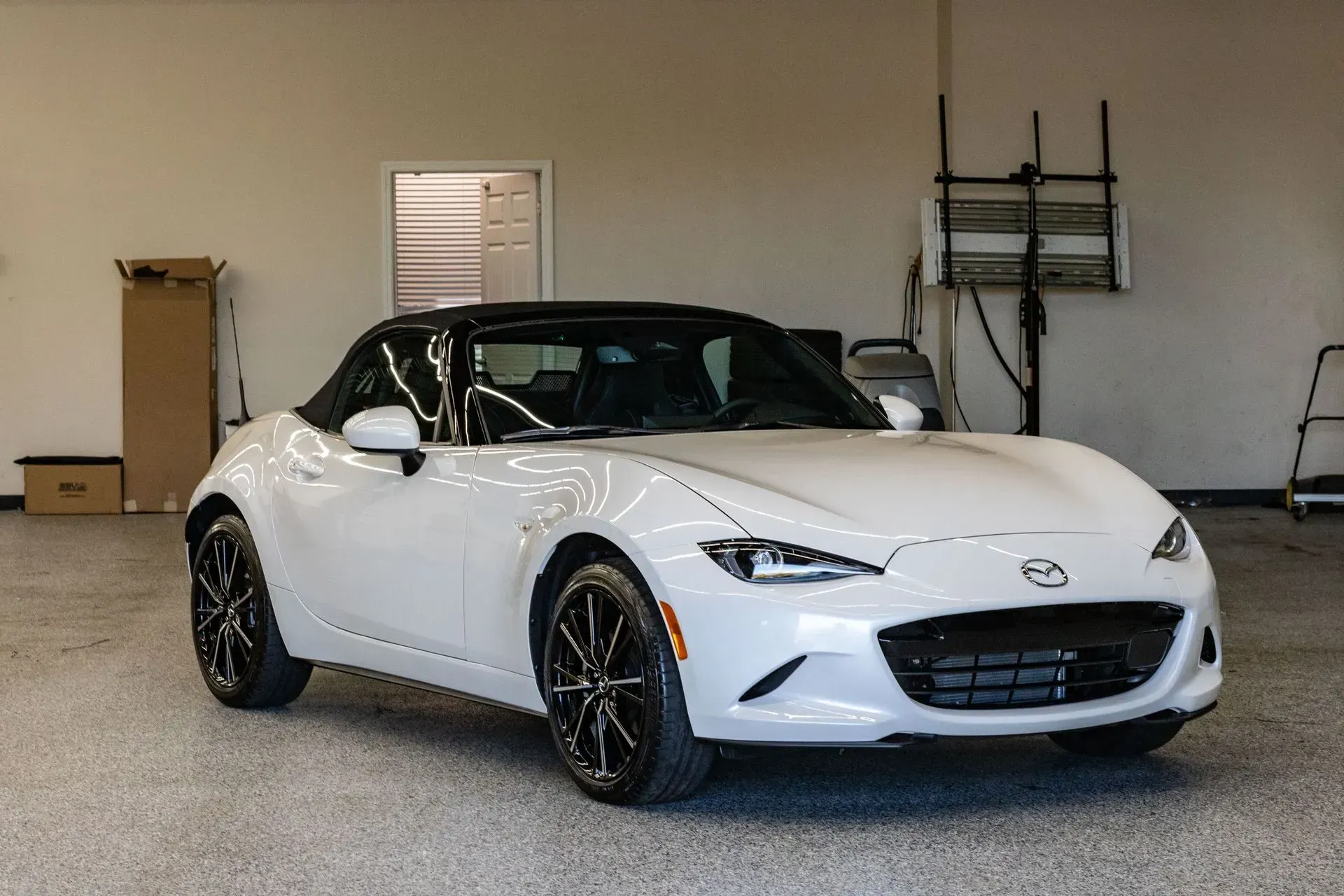
Your Protection Choice
Ceramic coating vs wax comes down to what matters most to you. Wax offers familiar routine and traditional appearance with ongoing maintenance commitment. Coating offers durable protection and consistent gloss without the repeat applications.
For owners ready to step off the waxing treadmill, coating delivers exactly what it promises. No more scheduling. No more watching protection fade. No more repeat applications that never quite end.
The protection works while you forget about it. And honestly, that's pretty nice.
Talk About Your Options
Ready to stop waxing? Contact A&G Auto Spa to discuss ceramic coating options for your vehicle. We'll look at your paint's current condition, talk about your driving patterns, and help you understand what coating delivers for your specific situation. No pressure. Just honest information so you can decide what makes sense.
Frequently Asked Questions
How long does ceramic coating actually last compared to wax?
Wax typically lasts between two weeks and three months depending on product quality and conditions. You're looking at multiple applications per year. Ceramic coating vs wax duration differs dramatically. Professional ceramic coating protects for several years under normal driving conditions. The exact timeframe depends on product quality, installation, and how you maintain the vehicle, but you're measuring in years rather than weeks or months.
Will I really never need to wax again after getting ceramic coating?
Correct. Once ceramic coating is properly applied and cured, waxing serves no purpose. The coating already provides the protection and gloss that wax delivers, except it doesn't wash away. Applying wax over coating would just sit on top of the coating without bonding, eventually washing off like it would from paint. Ceramic coating vs wax isn't about using both. It's about choosing one approach. Coating makes waxing unnecessary.
Is ceramic coating harder to maintain than keeping up with waxing?
It's actually easier. With wax, you're constantly protecting the protection. You worry about stripping it when you wash. You watch it degrade and know you need to reapply soon. With coating, you just wash your car normally with appropriate products. The coating handles itself. You're not managing a degrading protective layer anymore. The maintenance burden genuinely decreases even though the protection increases.
Does ceramic coating make my paint look different than wax?
The appearance differs somewhat. Wax, particularly carnauba, provides a warm organic glow that enthusiasts appreciate. Ceramic coating provides a wetter, deeper, more reflective finish that many describe as liquid-looking. Both look good. The main difference in appearance is consistency. Wax looks best right after application and slowly dulls until reapplication. Coating looks consistent throughout its lifespan because it doesn't degrade the same way.
Can I apply ceramic coating myself, or does it require professional installation?
Professional installation is strongly advised. Ceramic coating requires thorough surface preparation, proper application technique, and appropriate curing conditions. Professional detailing facilities ensure contamination-free surfaces, controlled environments, and correct product application. DIY coating kits exist, but results vary significantly. For
ceramic coating vs wax comparison, professional coating applied correctly outperforms both DIY coating and wax. The investment in professional application protects your investment in the vehicle itself.