Can You Add Ceramic Coating on Top of Paint Protection Film?
You've done your research on paint protection. You understand that film shields against physical impacts. You know that coating provides hydrophobic properties and easier cleaning. Now you're wondering something logical: can you have both? Can ceramic coating go over paint protection film, and if so, what does that actually accomplish?
The answer is yes. Ceramic coating over ppf is not only possible but increasingly common among owners who want thorough protection. The two products work together rather than competing. But understanding what each layer contributes helps you decide whether the combination fits your situation.
Let's look at how this layering works, what each component brings to the partnership, and when combining them makes practical sense.
A&G Auto Spa offers both services and frequently applies them together. Here's what you should know before deciding.
Understanding What Each Layer Does
Before discussing how they combine, it helps to be clear about what each product accomplishes on its own.
Paint protection film is a physical barrier. It's a clear, nearly invisible film applied to your paint that absorbs impacts from road debris, rocks, and other hazards. When something strikes your vehicle, the film takes the hit instead of your paint. The protection is mechanical. The film physically shields the surface beneath it.
Ceramic coating works differently. It's a liquid polymer that bonds chemically with whatever surface it's applied to. Once cured, it creates a hydrophobic layer that repels water, resists contamination, and makes cleaning significantly easier. The protection is chemical rather than mechanical. It doesn't absorb impacts, but it does protect against environmental factors and simplifies maintenance.
These are different kinds of protection solving different problems. That's exactly why combining them works.
How the Layers Work Together
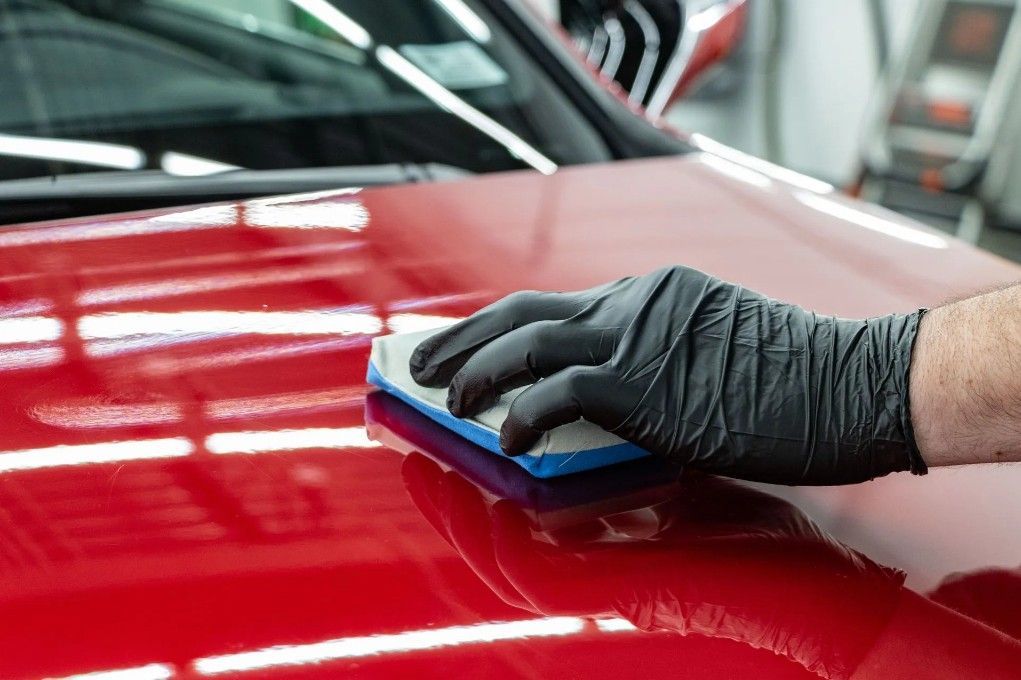
When you apply ceramic coating over ppf, you're adding the coating's properties to the film's surface. The coating bonds with the film just as it would bond with paint.
The film continues doing its job underneath. It still absorbs impacts. It still shields your paint from physical damage. Nothing about the film's protective function changes because there's coating on top of it.
The coating adds its own benefits to the film surface. Water beads and rolls off more effectively. Dirt and contamination release more easily during washing. The surface becomes slicker and more resistant to environmental buildup. The film stays cleaner longer and cleans up faster when you do wash.
Consider it this way: your protective film gets its own protective layer. The film guards your paint. The coating enhances the film's surface properties.
What Coating Adds to Film
Here's what ceramic coating contributes when applied over paint protection film.
Easier cleaning. Film without coating still requires regular washing, and contamination can stick to the film surface just as it would stick to paint. Coating makes the film surface slicker and more resistant to bonding with dirt, bug residue, bird droppings, and other contaminants. Washing becomes faster and more effective.
Improved water behavior. Coating creates hydrophobic properties that cause water to bead tightly and roll off the surface. This means less water spotting, faster drying, and reduced mineral deposit buildup from evaporating water. Rain helps rinse the surface rather than leaving dirty residue behind.
Enhanced gloss. Coating adds a layer of depth and shine to whatever surface it covers. Applied over film, it enhances the film's optical properties. The result is often a wetter, deeper appearance that many owners find appealing.
Surface protection for the film itself. Film is durable, but its surface can still accumulate light marring from washing and environmental exposure over time. Coating provides an additional layer that takes some of this surface wear, potentially extending the film's appearance quality over its service life.
What Coating Does Not Change
Transparency about ceramic coating over ppf means acknowledging what coating doesn't do in this combination.
Coating does not add impact protection. The film handles physical protection. Coating's role is surface enhancement and maintenance reduction, not shielding against rocks and debris. If impact protection is your primary concern, film is the answer. Coating is the complement, not the substitute.
Coating does not make film permanent. Both products have service lives. Film protects for years under normal conditions. Coating enhances the film surface for its own duration, which may be shorter than the film itself. Some owners reapply coating to their film periodically to maintain the enhanced surface properties.
Coating does not eliminate all maintenance. Your vehicle still needs washing. The coating makes washing easier and less frequent, but it doesn't make the car self-cleaning. Regular care is still part of ownership.
When the Combination Makes Sense
Not everyone needs both film and coating. Here's when the combination tends to deliver genuine value.
High-mileage daily drivers. If you're putting serious miles on your vehicle through varied conditions, you face both impact hazards and constant environmental exposure. Film handles the debris. Coating handles the cleaning burden. The combination addresses both realities of heavy use.
Owners who value low-maintenance appearance. Some people simply don't want to spend much time washing and detailing. They want the car to look good with minimal effort. Coating over film creates a surface that stays cleaner longer and cleans up faster. The time savings compound over ownership.
Long-term ownership plans. If you're keeping this vehicle for many years, layered protection preserves both the paint and your ability to maintain it easily. The film keeps the paint pristine underneath. The coating keeps the film surface in good condition throughout extended ownership.
Vehicles frequently exposed to harsh conditions. Road salt, industrial fallout, heavy pollen, frequent rain. These environmental factors assault your vehicle's surface constantly. Coating makes these exposures easier to address by preventing contamination from bonding aggressively to the film surface.
When Separate Services Might Suffice
The combination isn't mandatory. Here's when one service alone might meet your needs.
If impact protection is your only concern. Film alone provides the physical barrier you need. Coating adds maintenance benefits but doesn't change the film's protective capability. If you're comfortable with standard maintenance and just want debris protection, film alone accomplishes that.
If you rarely face impact hazards. Some driving patterns involve minimal highway exposure and few parking lot risks. If your situation doesn't present significant impact threats, coating alone might serve you well. It protects against environmental factors and simplifies cleaning without the additional layer of film.
If budget requires prioritizing. Both services represent meaningful investments in vehicle care. If you need to choose one, consider your primary exposure. Highway commuting and harsh road conditions point toward film. Easier cleaning and environmental protection point toward coating. The combination package exists when budget allows addressing both.
The Application Process
When you opt for ceramic coating over ppf, the application sequence matters.
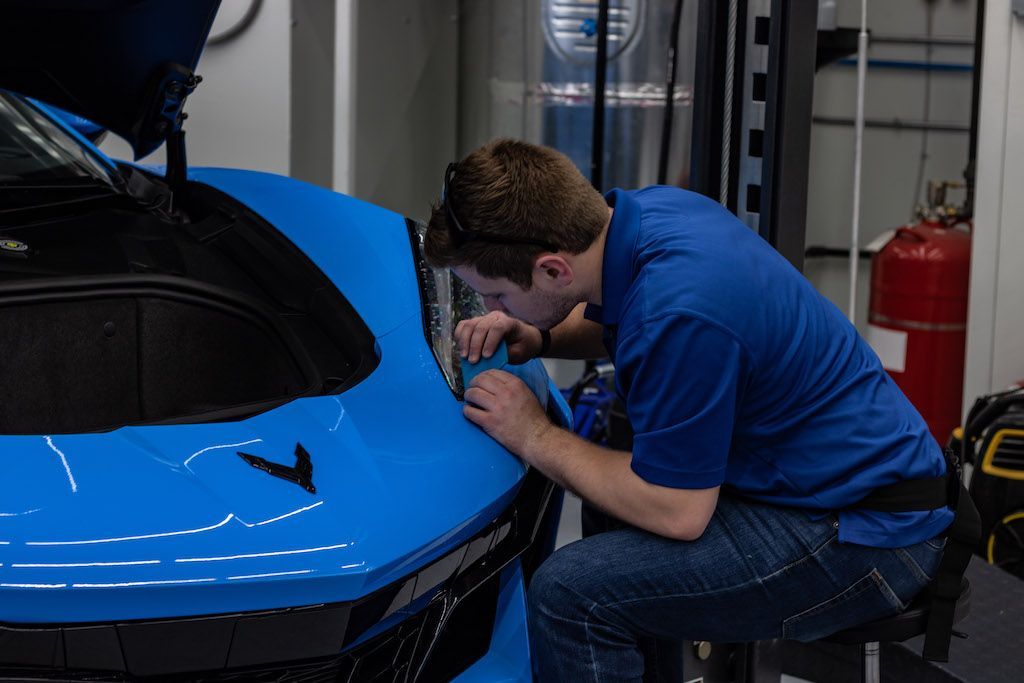
Film goes on first. The paint surface is prepared, and the film is applied and allowed to cure properly. This curing period lets the film fully bond with your paint and settle into final position.
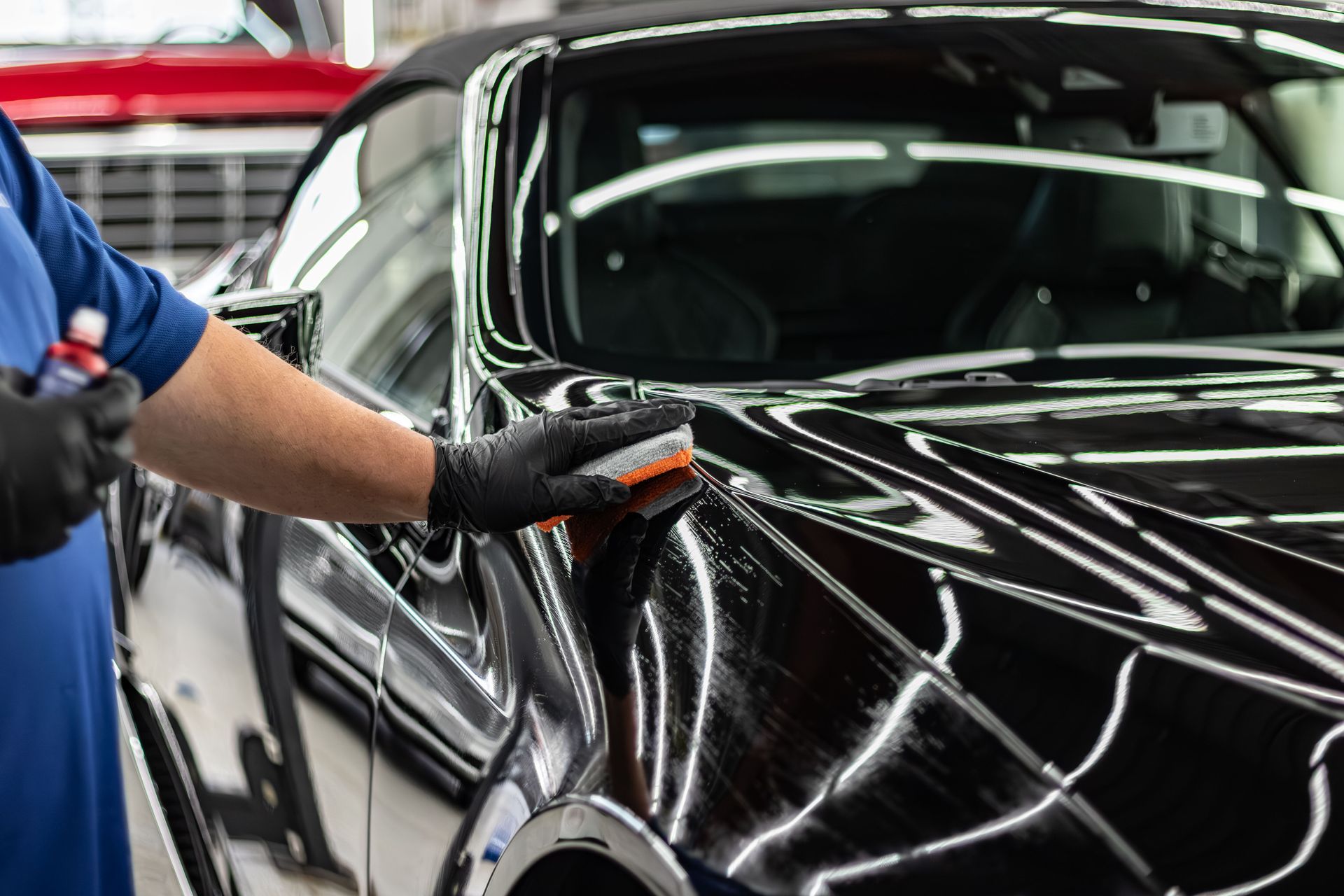
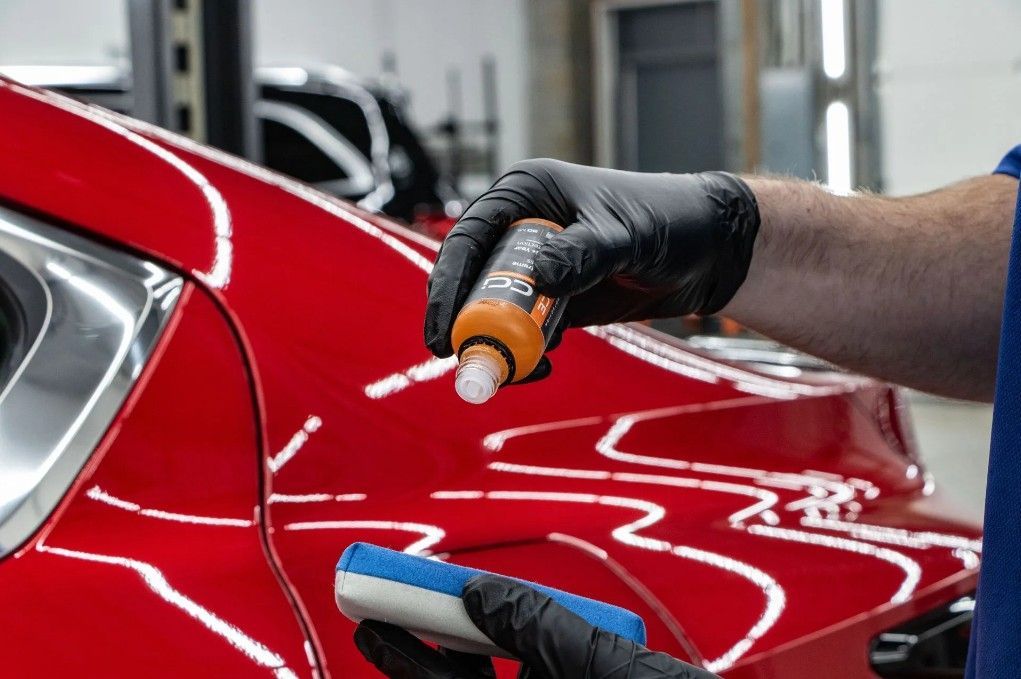
Coating goes on after the film has cured. The film surface is prepared just as a paint surface would be, and the coating is applied following standard procedures. The coating then cures and bonds with the film surface.
The timing between applications depends on conditions and the specific products used. Your installer will advise on appropriate timing for your situation. Rushing either curing period can compromise results.
Maintaining the Layered Protection
Care for film with coating on top follows standard coated-surface guidelines.
Use pH-neutral, coating-safe wash products. Avoid harsh chemicals that could degrade the coating layer. Regular washing removes contamination before it has a chance to accumulate heavily.
The coating makes maintenance easier, but it doesn't eliminate the need for it. Periodic washing keeps the surface performing as intended. Professional maintenance can refresh the coating and address any areas needing attention.
Over time, you may choose to reapply the coating to the film surface. The film underneath continues protecting your paint while the coating layer gets refreshed on top. This maintenance pattern keeps both layers performing throughout extended ownership.
Partners, Not Competitors
The perspective shift matters here. Film and coating aren't competing products where you pick one or the other. They're complementary products that address different aspects of vehicle protection and maintenance.
Film handles what coating does not: physical impact absorption. Coating handles what film doesn't: enhanced surface properties and reduced maintenance. Together, they create a protection system more complete than either achieves alone.
Ceramic coating over ppf gives you the physical shield of film with the surface enhancement of coating. Your paint stays protected from debris. Your vehicle stays easier to clean. Both benefits work in tandem.
Decide What Fits Your Situation
The combination of coating over film delivers real benefits for owners who want full-coverage protection with reduced maintenance demands. It's not necessary for everyone, but it makes practical sense for many driving situations and ownership patterns.
Consider your actual use. Think about your maintenance preferences. Evaluate your exposure to both physical hazards and environmental contamination. The right answer depends on your specific situation rather than a universal recommendation.
Discuss Your Options
Ready to discuss whether layered protection makes sense for your vehicle? Contact A&G Auto Spa to talk through your situation. We'll cover your driving patterns, your maintenance preferences, and what each service option delivers. Whether you choose film alone, coating alone, or the combination, you'll make the decision with clear understanding of what each approach provides.
Frequently Asked Question
Does ceramic coating change how paint protection film looks?
Coating typically enhances the appearance of film rather than changing it fundamentally. The coated surface often has deeper gloss and a wetter look compared to uncoated film. The film remains nearly invisible on your paint, but its surface properties improve visually. Most owners find the enhanced appearance appealing, though the change is subtle rather than dramatic.
How long does ceramic coating last when applied over film?
Coating duration on film follows similar patterns to coating on paint. A quality coating properly applied lasts for an extended period under normal conditions. The exact timeframe depends on product quality, application technique, and how the vehicle is maintained. Some owners refresh the coating on their film surface periodically while the film itself continues protecting underneath.
Can any ceramic coating be applied over paint protection film?
Most quality ceramic coatings bond effectively with film surfaces. However, compatibility varies between products. Professional installers use coatings they've verified work well with the film brands they install. If you're considering DIY coating application over existing film, research compatibility with your specific film product first.
Does the combination cost significantly more than individual services?
Combining film and coating does represent a larger total than either service alone. However, many providers offer combination packages that provide value compared to purchasing services entirely separately. The cost reflects the additional protection and maintenance benefits the combination delivers. Evaluate based on the value to your specific situation rather than cost alone.
Should I add ceramic coating when getting new paint protection film installed?
Adding coating during initial film installation makes sense for many owners. The film is already curing, and adding coating extends the protection system from the start. You begin ownership with both layers working together rather than adding coating later. Discuss timing with your installer since proper curing sequences matter for optimal results.