
Bird Droppings, Bug Splatter, and Tree Sap: How Film Guards Against Everyday Etching
You might think bird droppings are just an annoyance. A mess to wash off when you get around to it. But that casual attitude has cost more than a few vehicle owners permanent marks on their paint. The same goes for bug splatter and tree sap. These aren't just cosmetic nuisances. They're active chemical threats to your finish.
Understanding does paint protection film protect against bird droppings and bug damage starts with understanding what these contaminants actually do to paint. They don't just sit there. They react with your clear coat. And the longer they stay, the more damage they cause.
This article focuses specifically on acidic and organic threats, the kind of damage that happens while your car sits parked rather than while it's rolling down the highway. It's a different hazard than rocks and road debris, and it deserves its own attention.
A&G Auto Spa sees vehicles with etching damage regularly. This is what causes it and how film provides protection.
Why Bird Droppings Are More Than Just Messy
Bird droppings seem harmless enough. Wash them off and move on, right? Not quite.
Bird waste contains uric acid, a corrosive compound that begins attacking your clear coat almost immediately after contact. The acid doesn't wait for you to notice. It starts working right away, softening the clear coat and creating conditions for permanent marking.
Heat accelerates the process significantly. A dropping that lands on a hot car in summer sun becomes more aggressive faster. The heat opens the pores of the clear coat while the acid does its work. The combination creates ideal conditions for etching.
The result is often a permanent mark that no amount of washing removes. The acid has actually changed the surface structure of the clear coat. What looks like a stain is really physical damage to the finish. Once etching occurs, the only solutions are paint correction or repainting.
The Bug Splatter Problem
Insects that hit your vehicle at speed leave more than just a mess. Their body chemistry creates its own corrosive situation.
Bug remains contain proteins and acids that begin decomposing on contact with your paint. The longer they stay, the more they break down, and the more acidic they become. A bug you hit on Friday and don't wash off until Sunday has been actively degrading your clear coat the entire time.
Summer driving makes this problem worse. Warm temperatures accelerate the decomposition process. Bugs hit in evening hours and left overnight have all night to work on your finish. By morning, they've already begun the etching process.
The damage often appears as small spots that won't polish out. They're not stains. They're actual changes to the clear coat surface where the acids have done their work. Multiple bug strikes in the same area compound the effect.
Tree Sap: The Sticky Threat
Tree sap might seem like the least threatening of these three contaminants. It's natural, after all. But its chemistry makes it surprisingly damaging.
Sap contains organic compounds that bond aggressively with automotive finishes. As it hardens in the sun, it contracts and pulls at the clear coat beneath it. The longer it sits, the harder it becomes to remove without causing additional damage.
Attempting to scrape or peel hardened sap often pulls clear coat material with it. The bond between sap and finish becomes stronger than the clear coat's own structural integrity. Owners trying to remove sap themselves frequently create worse damage than the sap would have caused on its own.
Even when removed carefully, sap often leaves behind a ghost mark. The area where it sat may show permanent discoloration or texture change. The organic compounds have penetrated into the clear coat structure itself.
How Quickly Damage Occurs
One of the most underestimated aspects of these contaminants is speed. Damage doesn't take weeks. It can take hours.
Bird droppings can begin etching in as little as an afternoon, depending on heat and the specific bird's diet. Some birds produce more acidic waste than others. A single dropping left through a hot summer day can create permanent marking.
Bug remains start their chemical process immediately after impact. Within 24 hours, they've typically begun creating conditions for etching. Within 48 hours, the damage may already be done.
Tree sap works more slowly but more persistently. It may take days to create etching, but it becomes progressively harder to remove without damage the longer it sits. Early removal is critical.
The common thread is time. The faster you address these contaminants, the less damage they cause. But most owners don't wash their vehicles every day. That's where protection becomes valuable.
How Film Creates a Barrier
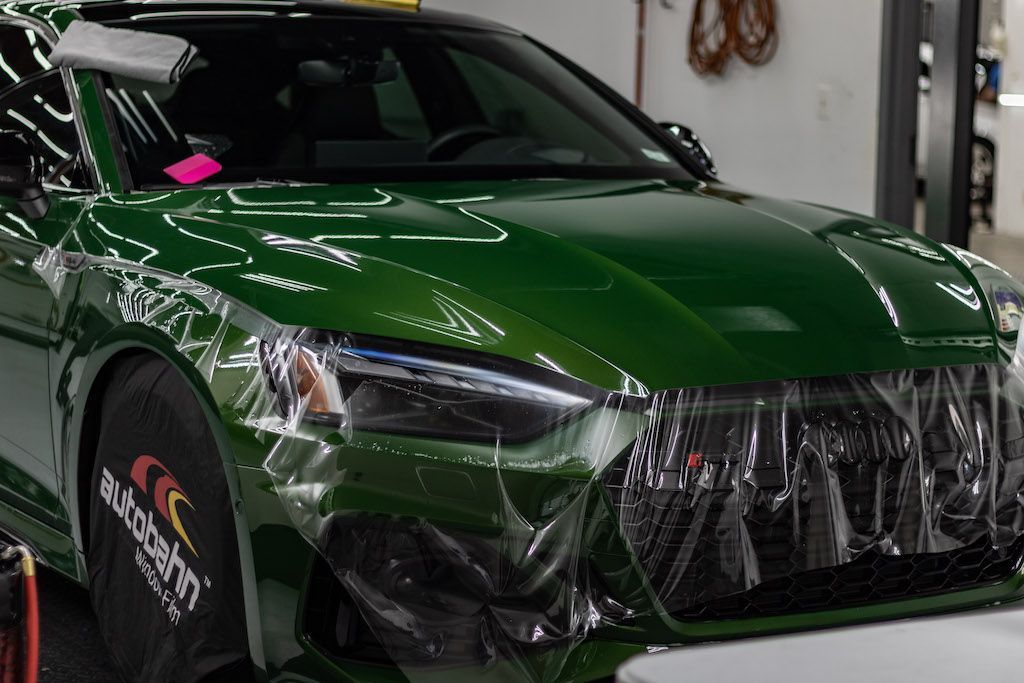
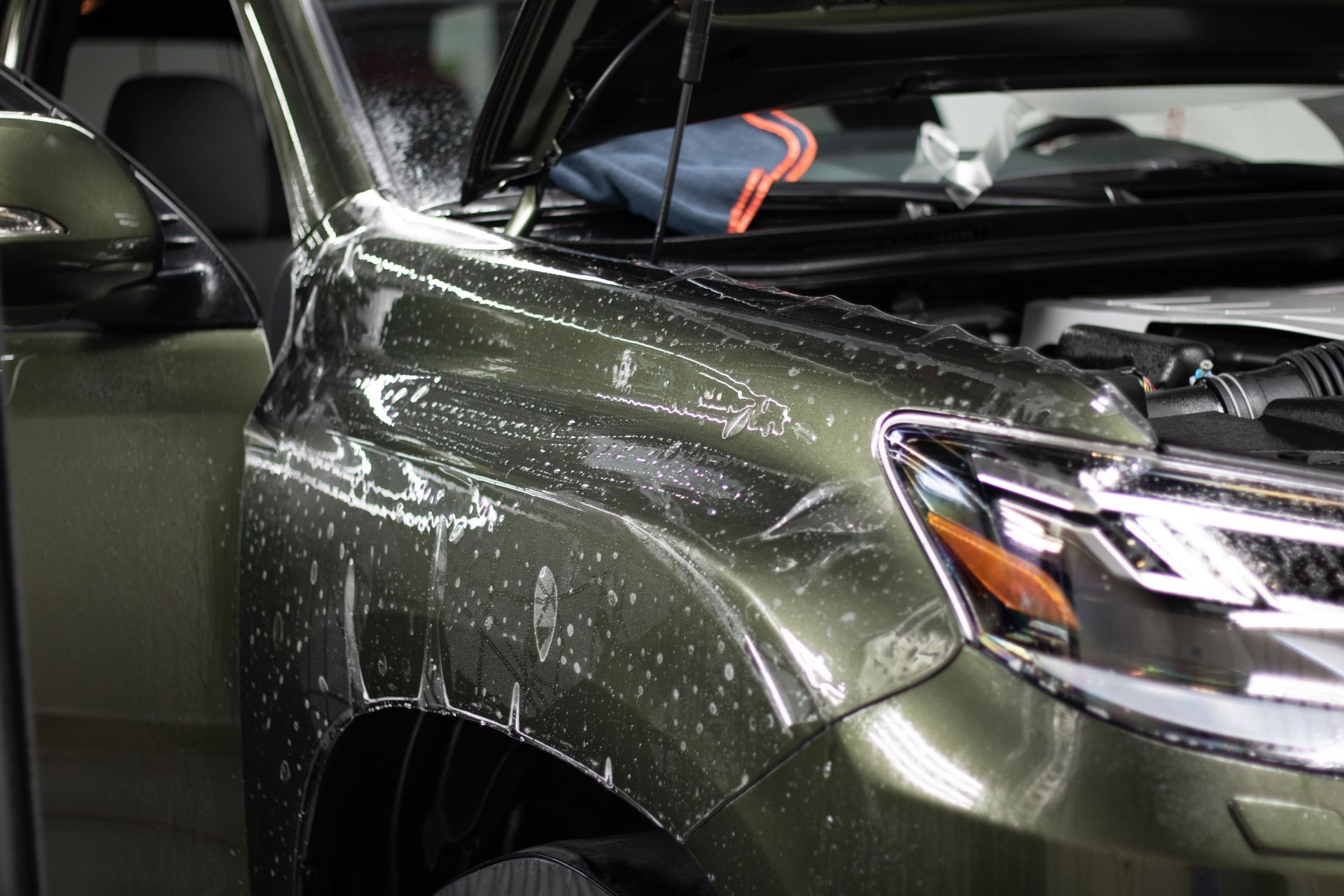
Paint protection film sits between contaminants and your paint. That physical barrier changes everything about how these substances affect your vehicle.
When bird droppings land on film rather than paint, the acid attacks the film surface instead of your clear coat. The film's chemical composition resists this attack differently than automotive paint does. While the droppings should still be removed promptly, the consequences of delayed cleaning are far less severe.
Bug splatter meets the same barrier. The decomposing remains work against the film rather than your finish. The film handles the chemical assault while your paint remains untouched underneath.
Tree sap bonds with the film surface rather than with paint. If removal proves difficult, any damage that occurs affects the film rather than your factory finish. And film can be repaired or replaced. Your original paint does not have that option.
The Self-Healing Factor
Quality paint protection film includes self-healing properties that matter specifically for organic contamination.
When contaminants are removed from the film surface, minor surface marks often heal away on their own. Heat from the sun or engine activates this process. The film's topcoat flows back to its original smooth condition.
This self-healing ability means that even if cleaning causes minor marking, the film recovers. Paint doesn't have this capability. Marks on paint are permanent unless professionally corrected.
The self-healing process addresses light surface effects, not deep damage. Severe chemical exposure can still affect film. But the threshold is much higher than it would be for unprotected paint, and the consequences are repairable rather than permanent.
Protection for Daily Parking Situations
Understanding does paint protection film protect against bird droppings and bug damage matters most for owners who face regular exposure.
Outdoor parking. If your vehicle sits outside at home, at work, or anywhere else for extended periods, exposure to bird droppings is nearly unavoidable. Trees attract birds. Open parking lots attract birds. Protection guards against the inevitable.
Tree-lined streets and lots. Sap falls from trees throughout warmer months. Parking near trees for convenience creates ongoing exposure. Protection means convenience doesn't cost you paint damage.
Highway commuting. Regular highway driving means regular bug strikes. The faster you drive, the more bugs you encounter. Protection shields your hood, bumper, and mirror caps from cumulative bug damage.
Seasonal exposure. Summer brings heat that accelerates all these problems. Spring brings sap. Fall brings different insect populations. Year-round driving means year-round exposure to acidic contaminants.
What Film Does and Doesn't Do
Transparency about does paint protection film protect against bird droppings and bug damage means being clear about capabilities.
Film provides a sacrificial barrier. Contaminants attack the film instead of your paint. That's the core protection. The film takes the damage so your paint doesn't have to.
Film buys you time. You don't need to sprint to your car the moment a bird flies over. Protection gives you reasonable time to clean without permanent consequences. It doesn't mean you should let contaminants sit for weeks.
Film can be maintained and replaced. If contamination does eventually damage the film surface, that damage can be addressed. The film can be repaired or replaced. Your factory paint underneath remains protected and pristine.
Film doesn't eliminate the need for cleaning. Protection reduces consequences. It doesn't eliminate good maintenance practices. Regular washing remains important for both appearance and film longevity.
Combining Protection with Good Habits
Film works best as part of an overall vehicle care approach.
Prompt cleaning when possible still matters. If you notice contamination and can address it quickly, do so. Film provides a safety margin, not an excuse to ignore obvious messes.
Regular washing maintains the film's surface condition. Clean film performs better than film covered in accumulated contamination. Keeping the surface clean keeps the protection effective.
Professional maintenance helps extend the film's protective lifespan. Periodic professional attention keeps the film in optimal condition for ongoing protection.
The Unseen Protection Value
One of the best outcomes with paint protection film is never knowing what it prevented.
You won't see the etch marks that didn't happen. You won't know which bird dropping would have permanently marked your hood. You won't identify which bug strike would have left a permanent spot.
What you will notice is that after years of driving, your paint still looks the way it did when new. No etch marks. No permanent spots from organic contamination. No regret about that one time you didn't wash the car quickly enough.
That's the value of protection against everyday chemical threats. It guards against damage you might never have anticipated until it was too late.
Consider Your Exposure
Every vehicle owner faces different levels of exposure to these contaminants. Think about your actual situation.
Where do you park most often? Under trees? In open lots? In a garage? Your regular parking determines your regular exposure.
How frequently do you wash? Weekly? Monthly? Less often? The gap between exposures and cleaning determines how much protection matters for your situation.
What's your driving pattern? Mostly highway? Mostly city? Mixed? Highway driving increases bug exposure. City driving near trees increases sap exposure.
Understanding your exposure helps you evaluate how much these threats actually affect your vehicle and whether protection makes practical sense for your situation.
Make an Informed Decision
Ready to address the organic and acidic threats your paint faces regularly? Contact A&G Auto Spa to discuss paint protection film options for your vehicle. We'll help you understand coverage choices, explain how film handles the contaminants you actually encounter, and provide realistic expectations for protected versus unprotected paint. Your vehicle deserves defense against more than just rocks and road debris.
Frequently Asked Questions
How quickly should I remove bird droppings from paint protection film?
While film provides more tolerance than bare paint, prompt removal is still better than delayed cleaning. If you notice droppings, cleaning them within a day or two prevents any possibility of surface effect to the film itself. Film buys you time compared to unprotected paint, where damage can begin in hours, but it doesn't mean contamination should be ignored indefinitely.
Can bug splatter permanently damage paint protection film?
Bug remains left for extended periods can affect the film's surface, though far less severely than they would affect unprotected paint. The film takes the chemical exposure rather than your finish underneath. If any surface effect does occur, film can be treated or replaced. The factory paint beneath remains protected throughout.
Does tree sap bond to paint protection film the same way it bonds to paint?
Tree sap does bond to film surfaces, but the outcome is different. When sap is removed from film, any resulting surface effect remains on the film rather than the paint. The film can be professionally treated if needed. Your original finish stays untouched beneath the protective layer regardless of what happens on the surface.
Will paint protection film prevent all etching from acidic contaminants?
Film dramatically reduces etching risk by placing a barrier between contaminants and your paint. The paint itself receives no exposure to the acidic substances. Film surfaces handle contamination differently than paint and recover from exposure better than paint does. Severe, prolonged exposure can eventually affect film surfaces, but at thresholds far higher than unprotected paint would tolerate.
Is paint protection film worth it if I park in a garage most of the time?
Garage parking reduces but rarely eliminates exposure. You still drive to work, park at stores, and stop at locations without covered parking. A few hours under a tree or in an open lot creates exposure. Film protects during those times when garage parking isn't available, preventing damage from the occasional exposures that every vehicle experiences.