What Goes Into the Price of a Quality Window Tint Job?
You've started gathering quotes for window tint. And you've probably noticed something: the prices are all over the place. One shop quotes half what another charges. Some prices seem suspiciously low. Others seem high without clear explanation. How do you make sense of it all?
Understanding how much does window tint cost isn't really about finding a single number. It's about understanding what goes into that number. When you know what drives tint pricing, you can evaluate quotes intelligently rather than simply picking the lowest one.
This article breaks down the factors that shape window tint pricing. By the end, you'll understand why prices vary so widely and how to recognize genuine value when you see it.
A&G Auto Spa believes pricing transparency builds trust. These are the factors that actually go into the cost of quality window tinting.
Film Quality: The Biggest Variable
The film itself is the largest factor in tint pricing, and quality ranges enormously.
At the lower end are basic dyed films. These films darken windows but offer limited heat rejection and tend to fade or discolor over time. They're inexpensive to manufacture and purchase, which is why shops using them can quote lower prices.
Moving up, metalized films add metallic particles that improve heat rejection and durability. They cost more than basic dyed films but perform better and last longer. The metallic content can sometimes interfere with electronic signals, which led to the development of the next tier.
Ceramic window tint represents the premium category. Ceramic films use nano-ceramic particles rather than dyes or metals. They provide superior heat rejection, excellent UV protection, and maintain their appearance far longer than lesser films. They cost more because the technology and materials cost more to produce.
When comparing quotes, the film being used matters enormously. A low quote using budget film isn't comparable to a higher quote using ceramic film. You're not comparing the same product.
Vehicle Size and Glass Coverage
The amount of glass being tinted directly affects pricing.
A compact car with small windows requires less film and less labor than a full-size SUV with extensive glass coverage. Vans, trucks with rear windows, and vehicles with panoramic sunroofs add even more surface area.
This is straightforward: more glass means more material and more time. Quotes should reflect the actual scope of work your specific vehicle requires. A quote that doesn't account for vehicle size may be cutting corners elsewhere.
Some vehicles also have complex glass shapes that increase difficulty. Curved rear windows, intricate pillar shapes, and multi-piece glass sections all add installation time. Experienced installers factor this into their pricing.
Installation Skill and Environment
Tinting looks simple from the outside. It's not.
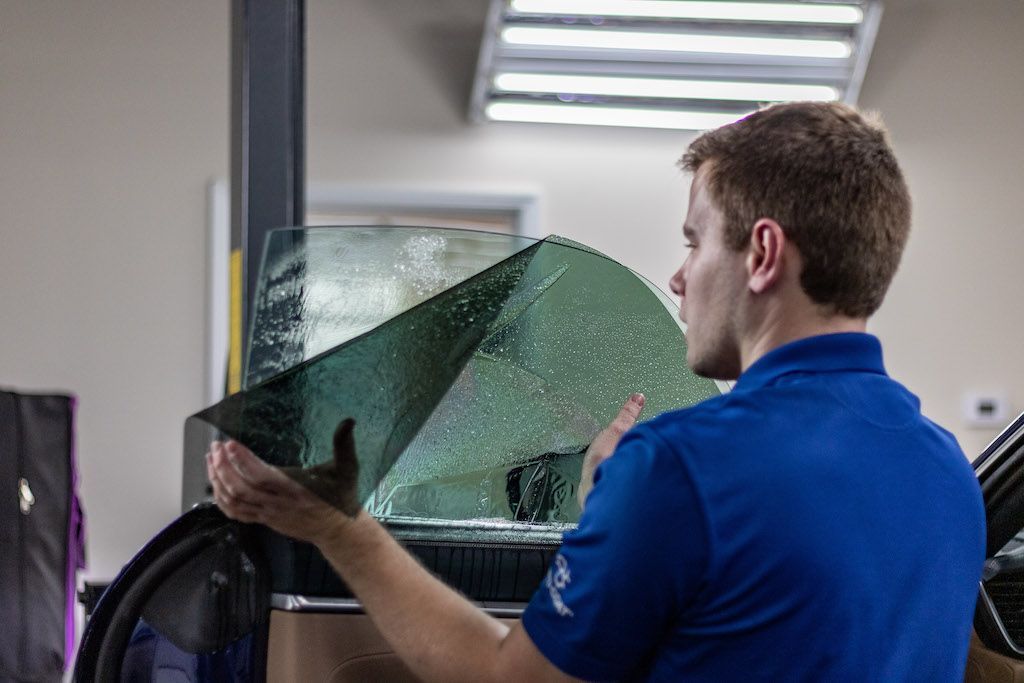
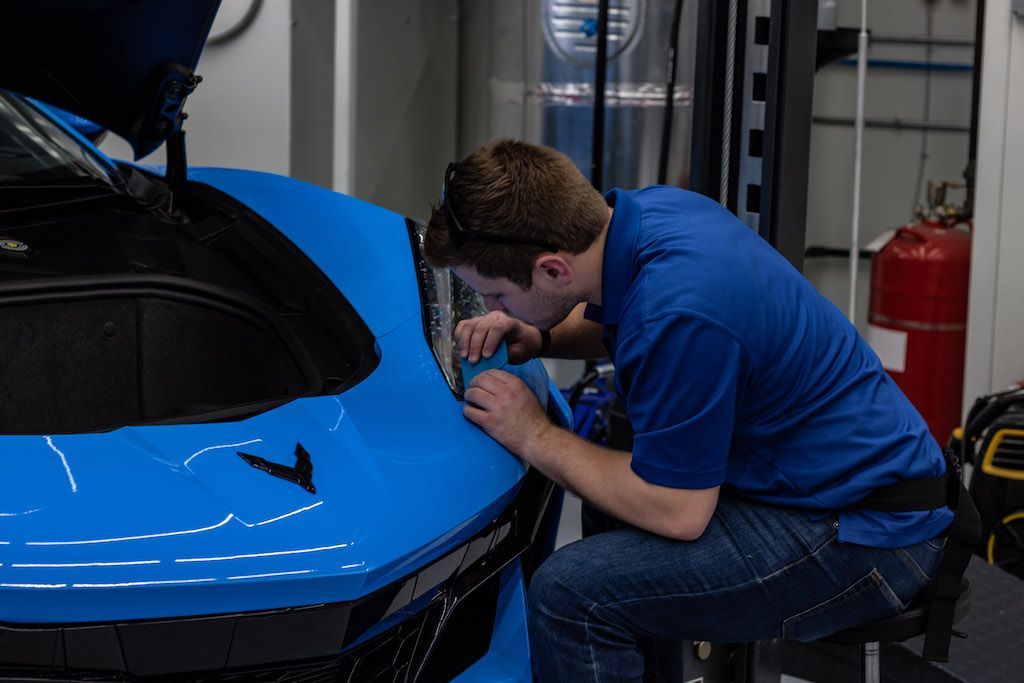
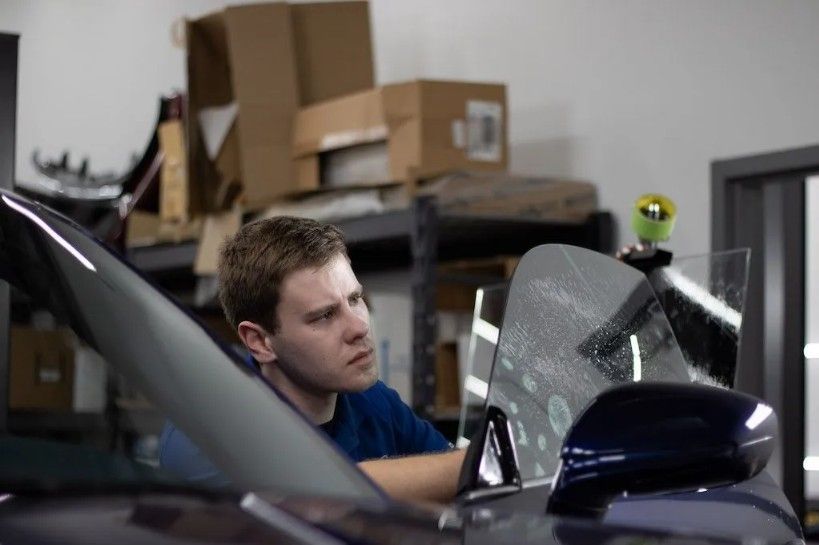
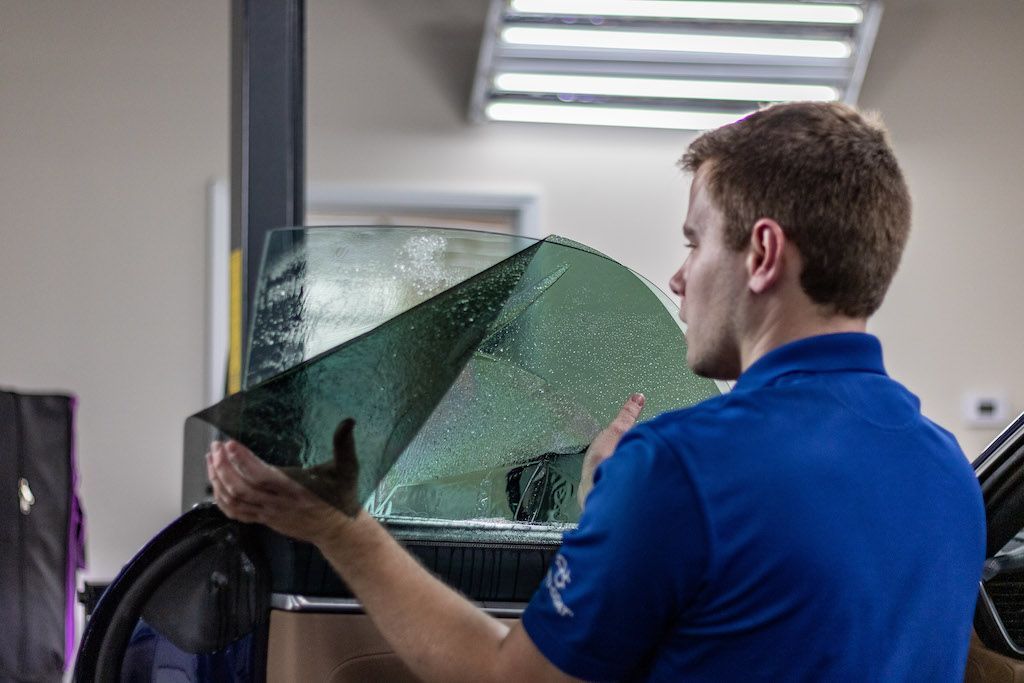
Quality installation requires precision cutting, proper heat forming, clean application without bubbles or debris, and correct edge finishing. These skills develop over years of practice. An experienced installer works faster and produces better results than someone still learning.
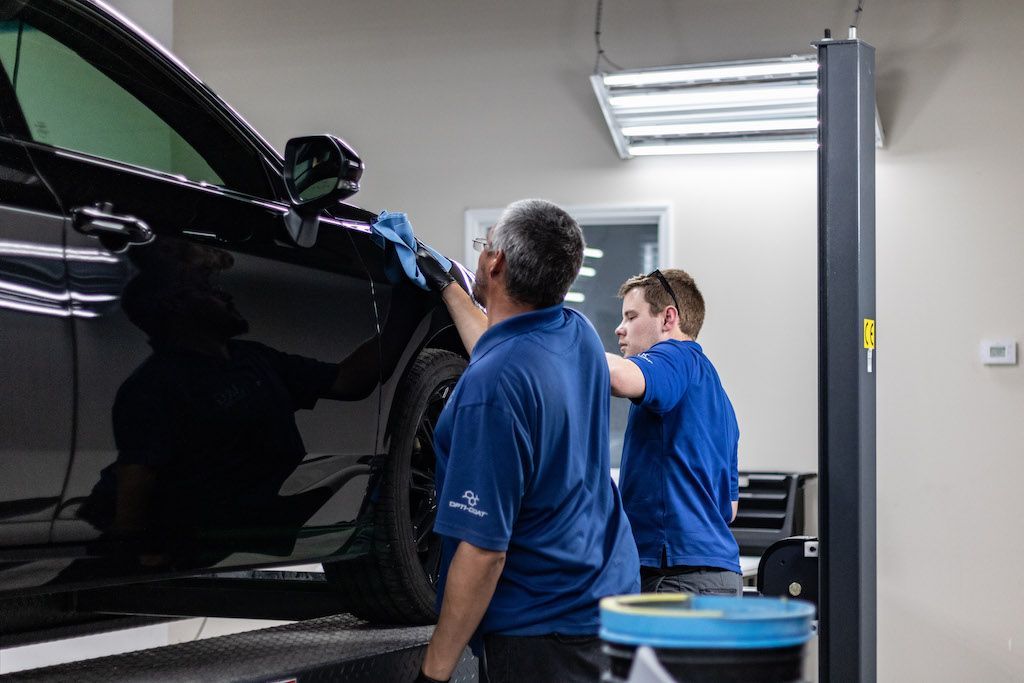
The installation environment matters too. Professional detailing shops work in controlled conditions with proper lighting, clean air, and appropriate temperatures. These conditions allow the film to cure correctly and bond properly with the glass.
Shops with lower overhead might work outdoors or in uncontrolled spaces. This can compromise installation quality, leading to contamination under the film, poor adhesion, or improper curing. The lower price reflects lower operating standards.
When a quote seems remarkably low, consider what's being sacrificed to reach that number. The installer's experience and working conditions affect your results.
Warranty and Backing
What happens after installation matters.
Quality film manufacturers back their products with warranties. These warranties typically cover fading, discoloration, bubbling, and peeling. The coverage period and terms vary by film tier, with premium films often carrying longer and more thorough protection.
Installers who use quality film and stand behind their work include this warranty protection in their pricing. The warranty has real value because it protects your investment over time.
Bargain installations often come with minimal or no warranty coverage. If the film fails in two years, you're paying for tinting twice. The initial savings disappear, and you've lost time dealing with the problem.
When comparing quotes, ask about warranty terms. Factor the protection into your value assessment, not just the initial price.
What You're Really Comparing
How much does window tint cost becomes clearer when you understand what shapes the number.
A quote includes the film itself, which varies dramatically in quality and performance. It includes the labor of a skilled installer working in proper conditions. It includes the warranty backing that protects your investment. And it includes the overhead of running a professional operation that produces consistent results.
Low quotes often achieve their price by compromising one or more of these elements. The film might be basic rather than premium. The installer might be inexperienced. The workspace might be inadequate. The warranty might be limited or absent.
None of this means the highest quote is automatically the best value. But it does mean the lowest quote deserves scrutiny. What's being sacrificed to reach that price?
The Hidden Cost of Budget Tinting
Saving money upfront can cost more over time.
Budget film that fades purple after two years needs replacement. That replacement costs as much as or more than quality film would have cost initially. You've paid twice for tinting and gone through the hassle of removal and reinstallation.
Poor installation that bubbles or peels creates the same problem. The work needs to be redone. Time, money, and frustration accumulate.
Film that provides minimal heat rejection doesn't deliver the benefits you wanted. Your vehicle stays hotter. Your air conditioning works harder. You've paid for tinting that doesn't perform its primary function well.
Quality work costs more initially because it delivers more value over its service life. The higher upfront investment often proves to be the lower total cost of ownership.
Questions Worth Asking
When gathering quotes, the right questions reveal important differences.
What film brands and types do you use? Reputable shops name their film products confidently. Vague answers about "quality film" without specifics suggest they're using whatever's cheapest at the moment.
What warranty comes with the work? Understand both the manufacturer's film warranty and any installer guarantee. Get clarity on what's covered and for how long.
How long have your installers been tinting? Experience directly affects results. Shops with experienced teams produce more consistent quality.
What's your installation process? Professional shops describe their preparation, application, and quality control steps. They work in controlled environments and take time to do things right.
Can I see examples of your work? Quality shops are proud of their results and happy to show them.
The answers reveal whether a shop invests in quality or cuts corners to compete on price.
Understanding Value Over Price
The goal isn't finding the cheapest tint job. It's finding the best value for your investment.
Value means quality film that performs well and lasts. Value means skilled installation without flaws that cause problems later. Value means warranty protection that backs the work. Value means dealing with professionals who do things right.
Price alone doesn't tell you what value you're getting. A higher price with premium film, experienced installation, and solid warranty often delivers better value than a lower price with compromises in each area.
Understanding how much does window tint cost means understanding what you're paying for. When you know that, you can evaluate quotes based on value rather than just comparing numbers.
The Film Technology Spectrum
Different film technologies offer different benefits at different price points.
Dyed film provides darkness and basic UV protection. It's the most affordable option but offers limited heat rejection and may fade over time. Appropriate for owners prioritizing appearance over performance on a limited budget.
Metalized film improves on dyed film with better heat rejection and durability. The metallic particles reflect heat effectively. Some electronic signal interference is possible depending on the specific product.
Carbon film offers good heat rejection without metallic content, avoiding signal interference issues. It maintains color well over time and provides solid all-around performance.
Ceramic film delivers premium performance across every measure. Superior heat rejection, excellent UV protection, no signal interference, and exceptional longevity. The higher price reflects genuinely superior technology and materials.
The right choice depends on your priorities and budget. But understanding the differences helps you evaluate whether a quote's price matches the film being offered.
Installation Quality Indicators
Certain signs suggest quality installation, whether viewing completed work or evaluating a shop.
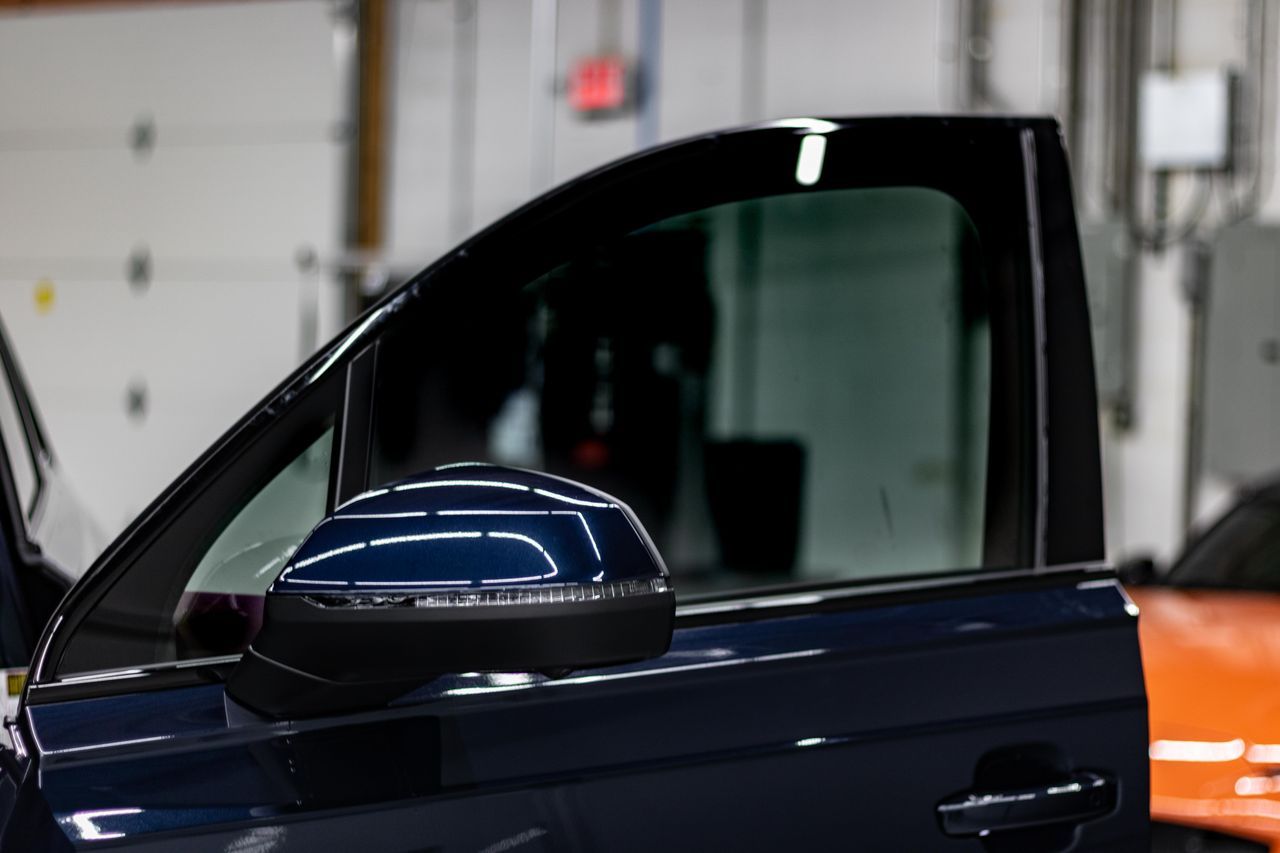
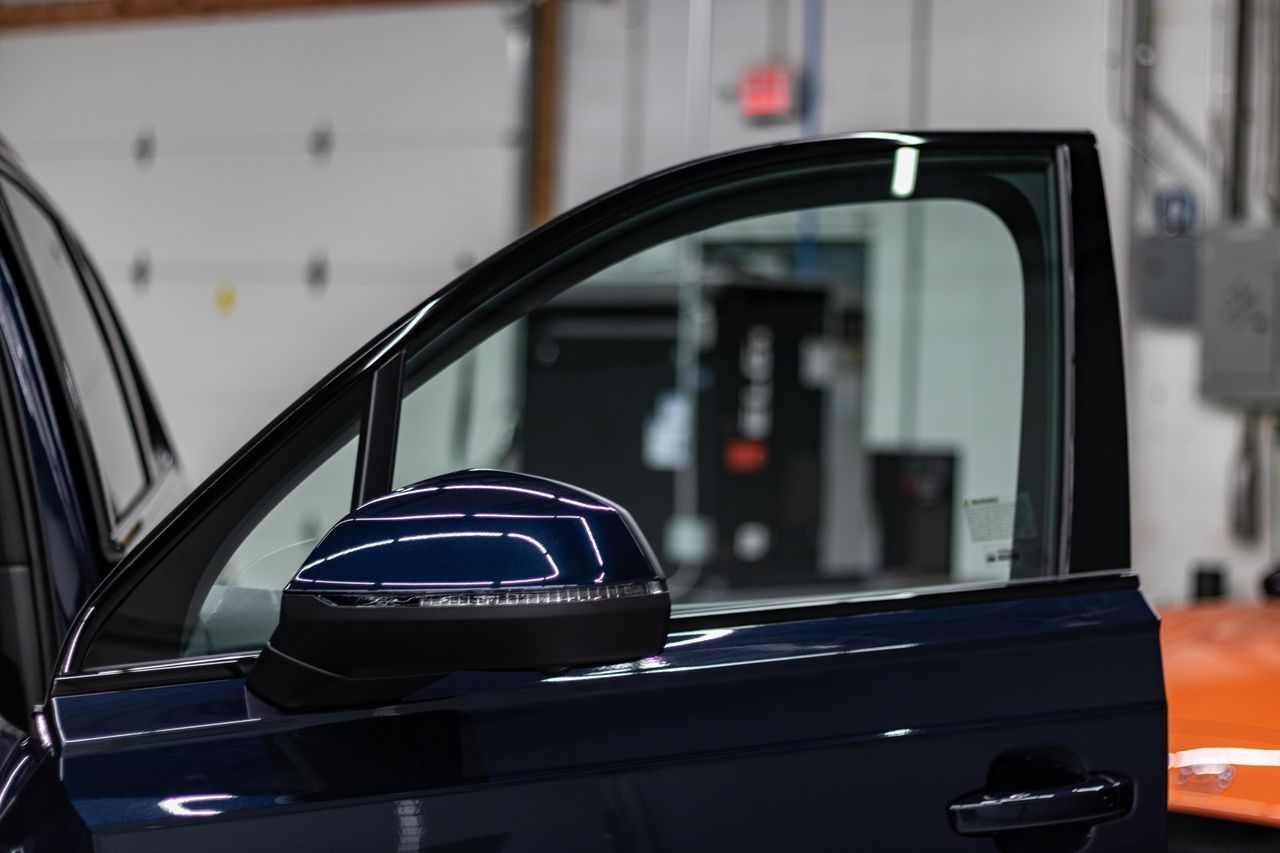
Clean edges that follow the glass contours precisely indicate careful cutting and fitting. Gaps, rough edges, or film extending onto the window frame suggest rushed or unskilled work.
No visible bubbles, particles, or contamination under the film means proper preparation and controlled installation conditions. Debris visible under the film means inadequate workspace cleanliness.
Consistent appearance across all windows shows attention to detail throughout the job. Variations between windows suggest inconsistent technique or rushed completion.
Quality installers are confident about their work and welcome inspection. Shops that discourage close examination may know their work won't hold up to scrutiny.
Making Your Decision
Armed with understanding, you can approach window tint pricing confidently.
Gather several quotes to understand the range in your market. Ask the questions that reveal what's behind each price. Evaluate film quality, installer experience, working conditions, and warranty terms.
Compare value, not just price. Consider the total cost of ownership including potential replacement or repairs if budget work fails. Factor in the performance benefits you're paying for.
Choose based on confidence that you're getting quality work that will serve you well over time. The right investment protects your vehicle and delivers the benefits you're seeking.
Get Transparent Pricing
Ready for a window tint quote that explains what you're paying for? Contact A&G Auto Spa to discuss tinting options for your vehicle. We'll explain the film choices available, what each offers, and what drives the pricing. You'll understand exactly what you're getting before making your decision. Quality tinting is an investment, and we believe you deserve clarity about that investment.
Frequently Asked Questions
Why do window tint prices vary so much between shops?
Price variation reflects differences in film quality, installer experience, installation conditions, and warranty coverage. Shops using premium ceramic film with experienced installers in professional facilities price differently than shops using basic film with less experienced staff in minimal workspaces. The quotes aren't comparable because the products and services aren't equivalent.
Is the most expensive tint option always the best choice?
Not necessarily. The best choice depends on your priorities, how long you plan to keep the vehicle, and what benefits matter most to you. Premium ceramic film offers superior performance but costs more. Mid-range options may provide adequate performance at lower cost. Understanding what each tier offers helps you match the choice to your actual needs and budget.
How can I tell if a low quote is a warning sign?
Ask what's behind the price. What film brand and type? What warranty? How experienced are the installers? If answers are vague or the warranty is minimal, the low price likely reflects compromises that will affect your results. A quote significantly below market rates suggests something is being sacrificed to reach that number.
Does vehicle type significantly affect tint pricing?
Yes. Larger vehicles with more glass require more film and more labor time. Complex window shapes add installation difficulty. SUVs, vans, and vehicles with extensive glass coverage typically cost more to tint than compact cars. Quotes should reflect the actual scope of work your specific vehicle requires.
What warranty should I expect with professional window tinting?
Quality installations typically include both manufacturer film warranty and installer workmanship guarantee. Coverage periods vary by film tier, with premium films often carrying longer protection. Ask specifically what's covered, including fading, discoloration, bubbling, and peeling, and for how long. Written warranty terms protect your investment.