The Invisible Foundation: The Role of Paint Correction Before Ceramic Coating
You notice them in direct sunlight. Those fine swirl marks spider-webbing across your hood. The light surface marks that appear from nowhere. The haze that dulls what should be a mirror finish. These imperfections live in your clear coat, and they won't disappear under a ceramic coating. Paint correction before ceramic coating addresses what protection alone cannot.
Think of it this way: you wouldn't frame a damaged photograph. The frame highlights what's inside, not hides it. Ceramic coating works the same way. It seals and protects whatever surface exists underneath. If that surface contains swirls, marring, and oxidation, the coating locks them in permanently.
At A&G Auto Spa, we approach paint correction as restoration artistry. The goal is to return your paint to its intended clarity before sealing that perfection with protection. Let's examine why this foundation matters and what the correction process actually accomplishes.
Why Imperfections Exist in the First Place
Every vehicle accumulates paint damage through normal ownership. Washing damage causes the majority of swirl marks. Automatic car washes, hand washing with dirty mitts, and improper drying create microscopic damage that accumulates into visible swirling.
Environmental exposure contributes to UV oxidation, etching from tree sap and bird droppings, and road debris damage. Contact from daily use adds up through door edges, keys, and countless other interactions.
By the time most owners consider ceramic coating, their paint carries years of accumulated damage. Applying protection over this damage seals it in place permanently.
What Paint Correction Actually Does
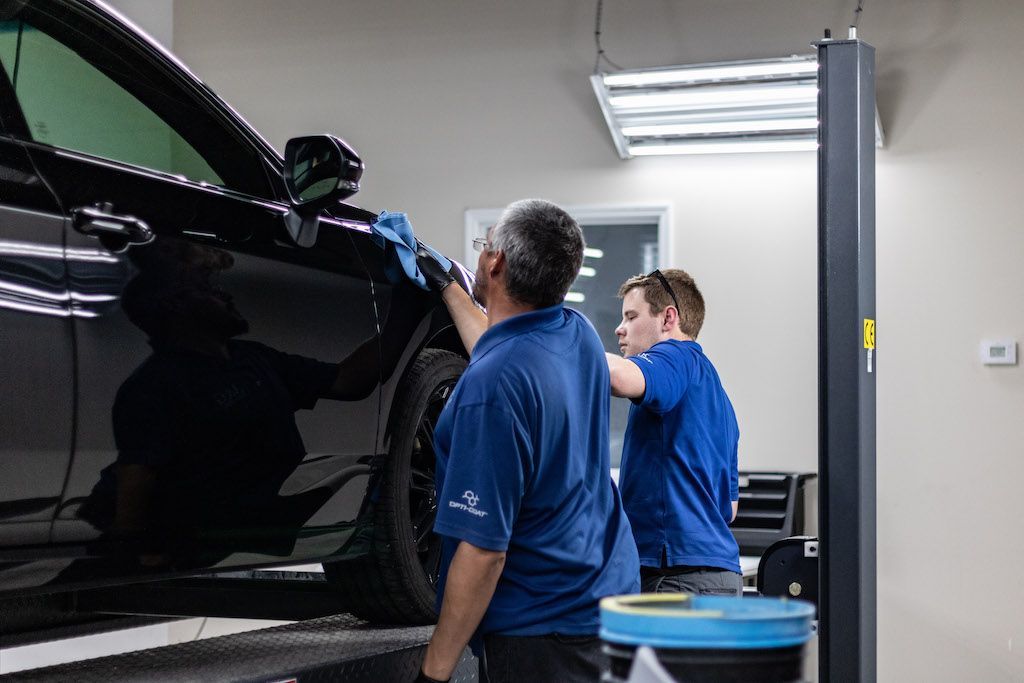
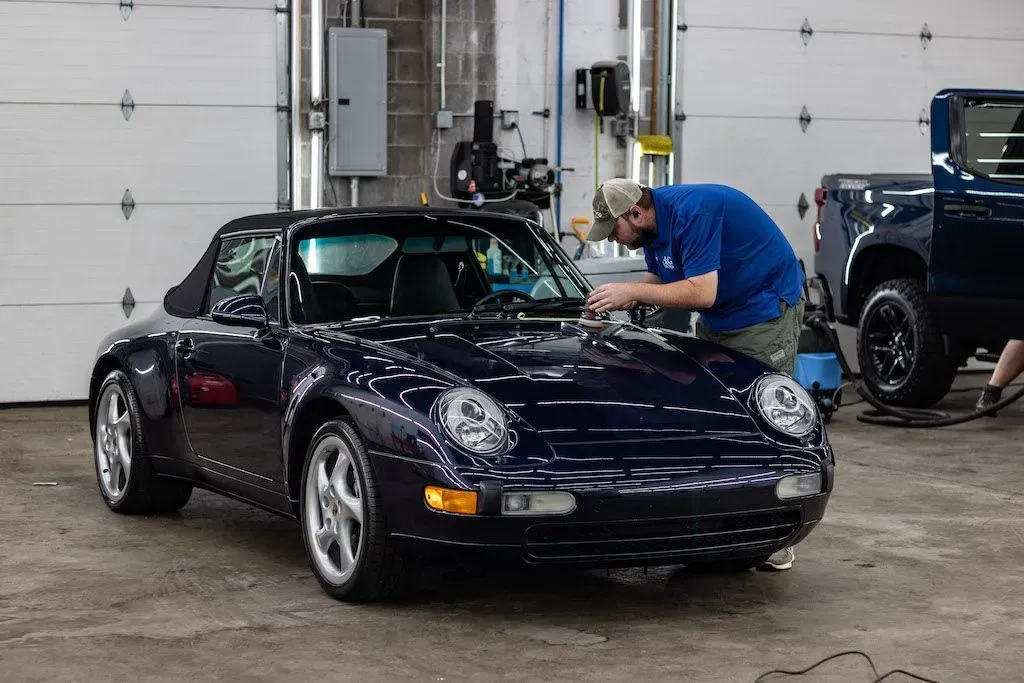
Paint correction is the process of removing imperfections from the clear coat through controlled abrasion. Think of it as refinishing the top layer of your paint to restore optical clarity.
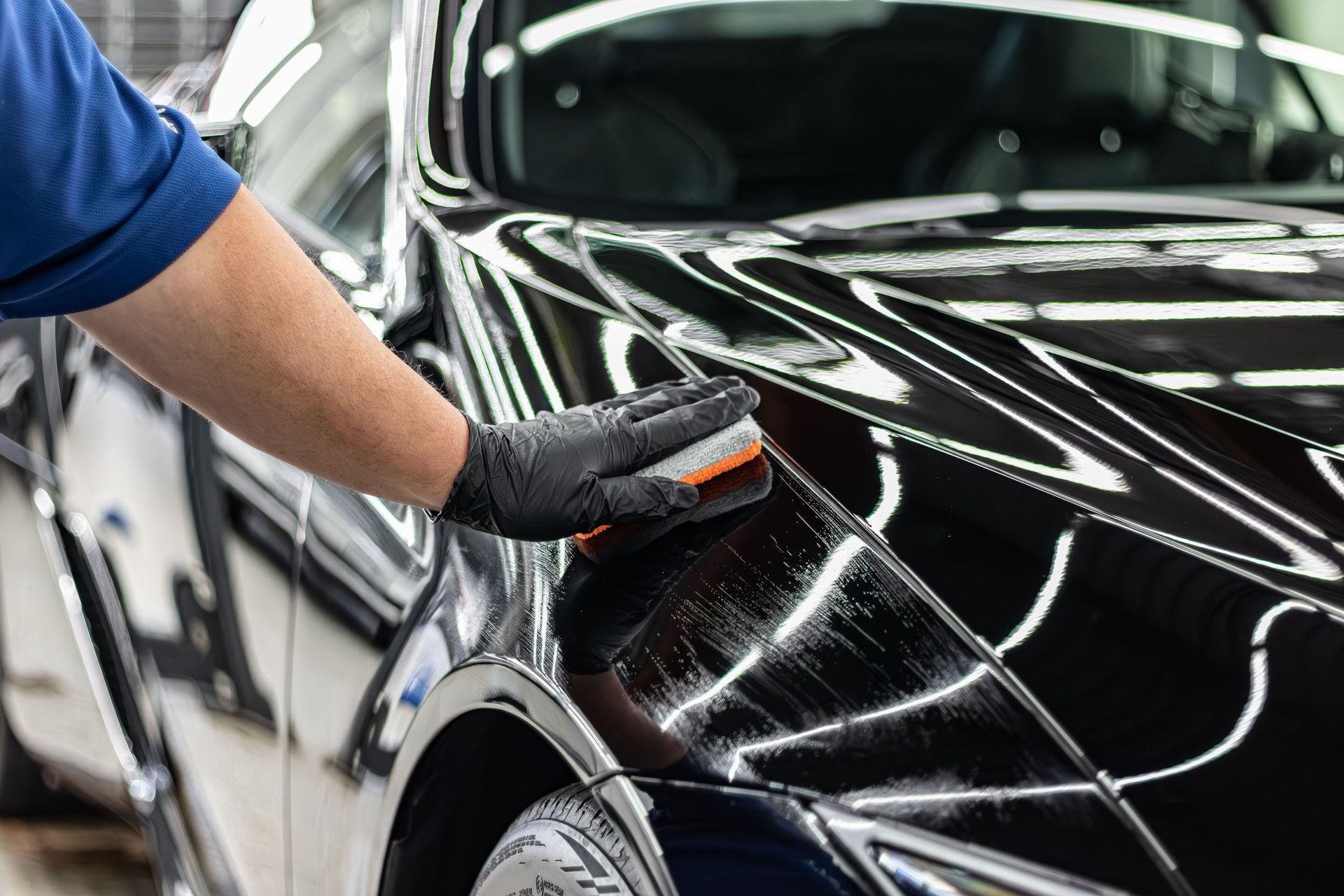
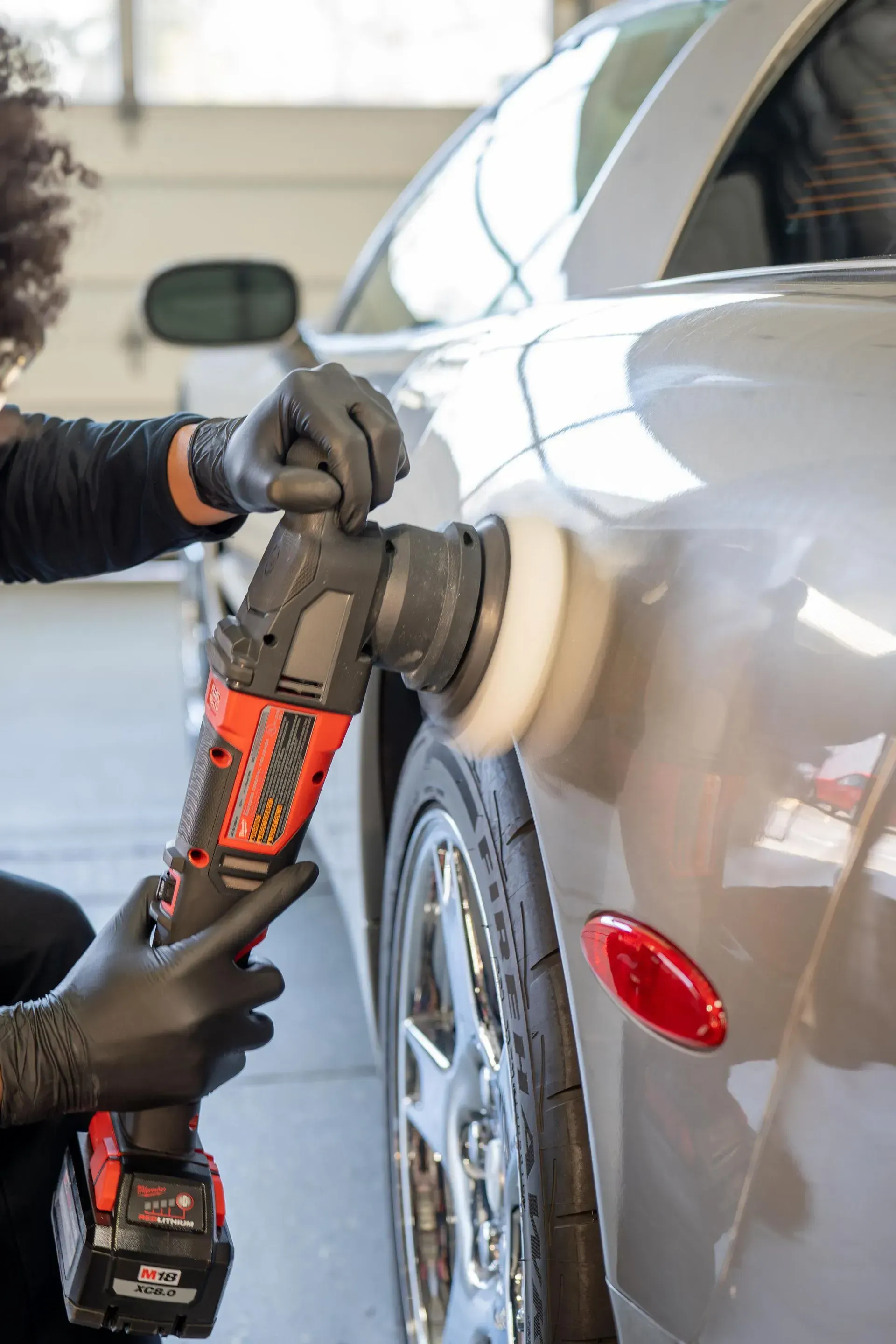
The process uses specialized compounds and polishes applied with machine polishers. Different abrasive levels address different damage depths. Heavier cutting removes deeper imperfections. Finer polishing refines the surface to perfect clarity. The technician reads the paint, selecting appropriate products and techniques for each panel's specific condition.
Paint correction before ceramic coating restores what washing destroyed. Those swirl marks that catch sunlight disappear. Oxidation that dulled the color gets removed. Light surface imperfections that marred the finish vanish. The paint returns to a state closer to when it left the factory.
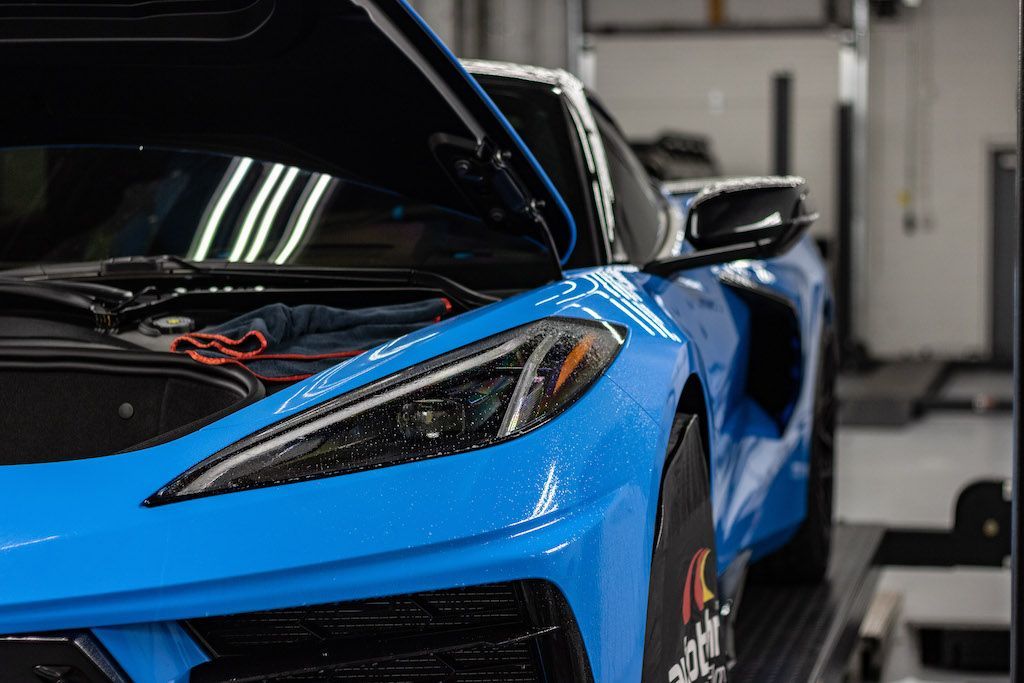
The result is a surface that reflects light uniformly rather than scattering it in every direction. This uniform reflection creates the depth, gloss, and clarity that make properly corrected paint look liquid. When ceramic coating seals this restored surface, it protects perfection rather than preserving damage.
The Artistry Behind Correction Work
Paint correction isn't mechanical repetition. It's reading each panel, understanding the damage present, and selecting the right approach. Different paint systems respond differently to correction. Some manufacturers use harder clear coats that resist correction. Others use softer cleaners that correct easily but mark easily.
The goal is to remove just enough clear coat to eliminate imperfections while preserving maximum protection. Skilled correction balances perfection against preservation.
Understanding Correction Limitations
Honest conversation about paint correction before ceramic coating requires acknowledging limitations.
Paint exists in layers: base coat provides color, clear coat provides protection and gloss. Paint correction works only within the clear coat layer. Damage that penetrates through the clear coat into the base coat cannot be polished away.
Deep abrasions that catch your fingernail have likely penetrated beyond the clear coat. Rock chips exposing primer or metal cannot be corrected. These areas require paint repair, not correction.
Correction can still dramatically improve overall appearance even when some more serious damage remains. The eye notices overall improvement rather than isolated imperfections that couldn't be removed.
The Correction Process Step by Step
Understanding the workflow helps explain why paint correction before ceramic coating requires a significant time investment.
Assessment begins with inspecting every panel under specialized lighting to reveal damage type, depth, and extent. Decontamination removes bonded particles through clay bar treatment and chemical processes. Test spots verify the correction approach works for each paint system before committing to entire panels.
Compounding uses aggressive products to remove deeper imperfections. Polishing refines the surface to perfect clarity, sometimes requiring multiple stages. Inspection under multiple light sources confirms complete correction before proceeding.
Why Skip Correction at Your Own Risk
Some vehicle owners ask about coating without correction. Ceramic coating bonds to the surface and becomes extremely difficult to remove. Whatever exists underneath stays visible for the coating's entire service life.
The coating may actually highlight imperfections. Enhanced gloss makes swirls more visible, not less. If you later decide those imperfections bother you, the coating must be removed before correction can occur. You end up paying for the coating twice.
Paint correction before ceramic coating is the foundation work that determines whether your coating investment delivers expected results.
The Finished Canvas
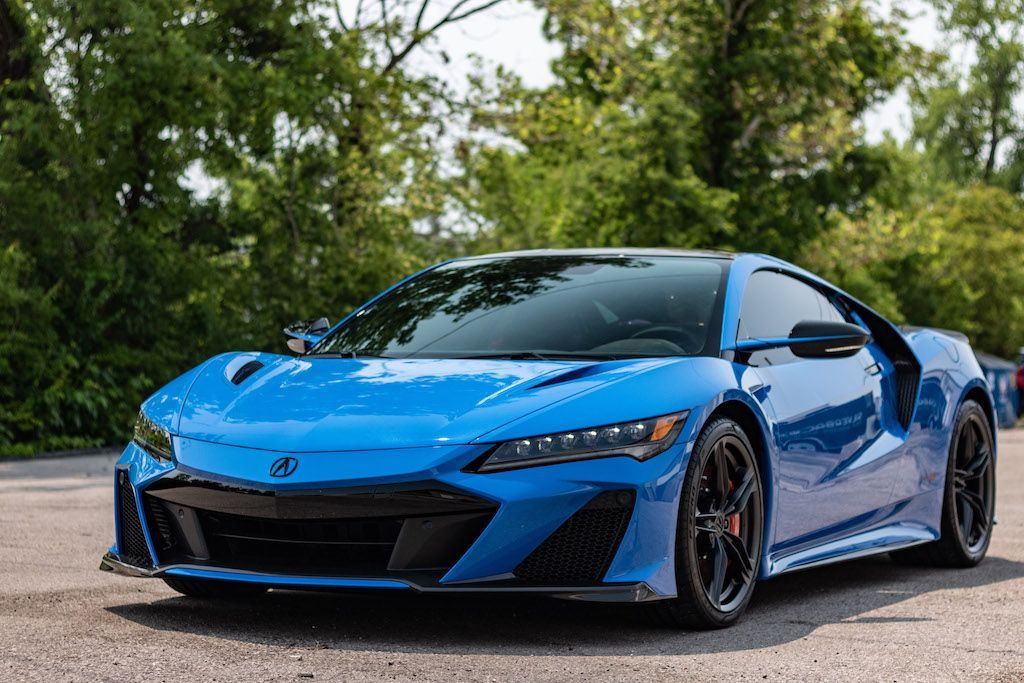
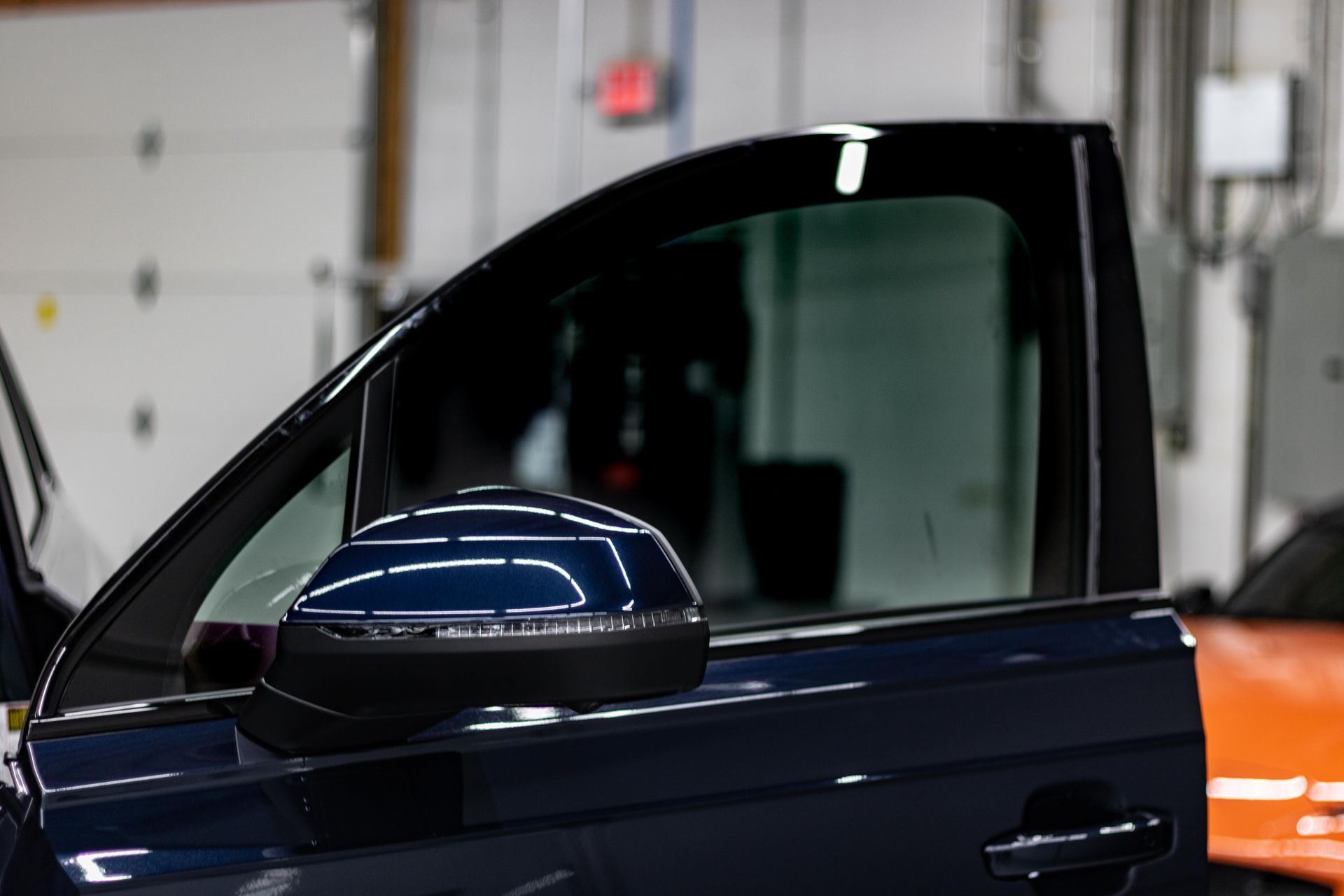
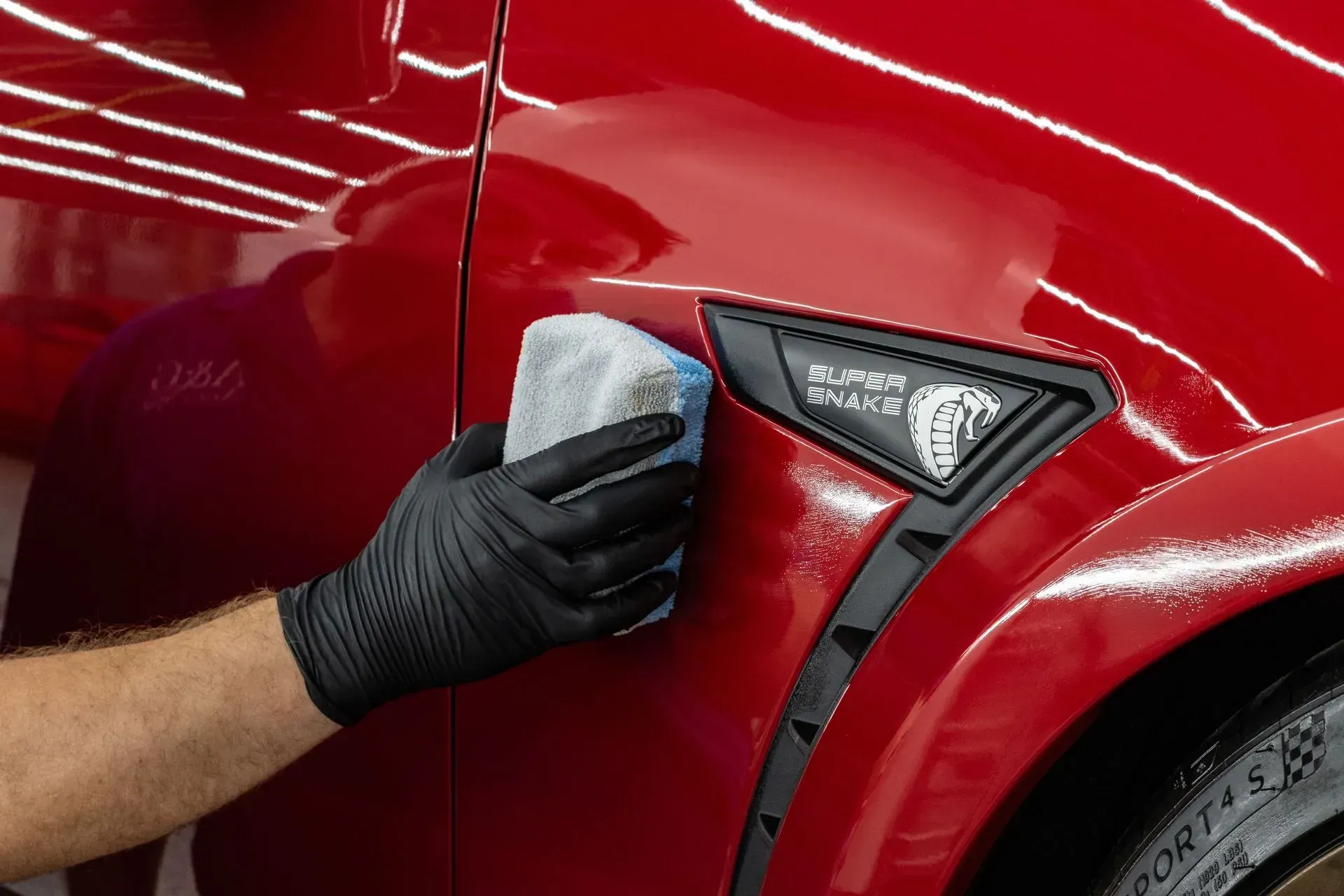
When the correction completes and the coating is applied, the result rewards every hour invested. Your paint reflects like liquid glass with colors appearing deeper and more saturated. This perfection persists because the coating protects the corrected surface throughout its service life.
Create Your Perfect Finish
Ready for paint correction before ceramic coating that restores your paint to its full potential? Contact A&G Auto Spa to discuss your vehicle's condition and correction needs. Our technicians approach each vehicle as a unique canvas, delivering the restored clarity that makes ceramic coating protection truly shine.
Frequently Asked Questions
How do I know if my vehicle needs paint correction before coating?
Examine your paint in direct sunlight. If you see swirl marks, fine surface imperfections, or haziness that dulls the finish, paint correction before ceramic coating will dramatically improve results. Most vehicles with any ownership history benefit from some level of correction. Even new vehicles sometimes arrive with transport damage or dealer-installed imperfections. Professional assessment under proper lighting reveals what correction level your specific paint requires.
Can paint correction remove all imperfections from my vehicle?
Paint correction addresses imperfections within the clear coat layer. Swirls, light surface marks, oxidation, and surface marring respond well to correction. However, damage that penetrates through the clear coat into the underlying paint layers cannot be polished away. Deep abrasions, chips, and areas where clear coat has failed require paint repair rather than correction. Paint correction before ceramic coating dramatically improves overall appearance, even when some more serious damage remains beyond correction capability.
How long does proper paint correction take?
Paint correction before ceramic coating requires substantial time investment. Simple enhancement polishing might take several hours. Multi-stage correction for heavily damaged paint can require a full day or longer. The time reflects the careful, methodical approach required for quality results. Rushing correction compromises results. A&G Auto Spa allocates appropriate time based on your vehicle's specific condition and desired outcome level.
Will paint correction damage my clear coat?
Properly performed paint correction removes a microscopic amount of clear coat to eliminate imperfections. Skilled technicians remove only what's necessary, preserving maximum clear coat thickness. Modern correction techniques and products minimize material removal while maximizing defect elimination. The improved appearance and protected surface that results from paint correction before ceramic coating delivers value that far exceeds the minimal clear coat reduction from professional correction work.