The Science Behind Self-Healing Paint Protection Film
Watch a swirl mark disappear from your vehicle's surface using nothing but warm water or sunlight. That's self-healing paint protection film at work, and it's not magic. It's materials science applied to automotive protection.
The technology behind paint protection film represents a significant advancement in vehicle surface protection. Understanding how this self-healing property works helps explain why this protection carries a premium cost and why it delivers value over the film's lifespan.
At A&G Auto Spa, we explain the actual science to customers curious about what they're investing in. Let's break down the materials, the process, and the realistic expectations for self-healing paint protection film performance.
Understanding Thermoplastic Urethane
The foundation of self-healing paint protection film is thermoplastic urethane (TPU). This polymer combines seemingly contradictory properties: tough enough to resist impacts, flexible enough to conform to vehicle curves, transparent enough to maintain paint clarity, and responsive to temperature changes.
The "thermoplastic" designation is critical. Unlike thermoset plastics that cure permanently, thermoplastic materials can be reshaped with heat. TPU's molecular structure allows polymer chains to move and reorganize when heated, then lock back into position as they cool. This heat-responsive behavior creates the self-healing effect.
How Surface Damage Actually Occurs
Most surface imperfections in PPF come from contact with objects that deform the film without penetrating it. Automated car wash brushes, improper washing techniques, keys, zippers, tree branches, and light abrasion from dust create surface deformations. The film's top layer gets compressed or stretched, creating visible swirls and marks without compromising protective capability.
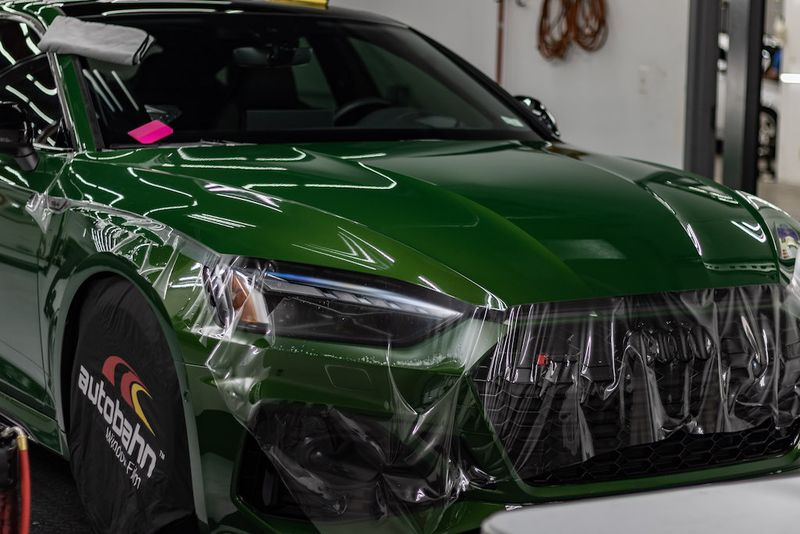
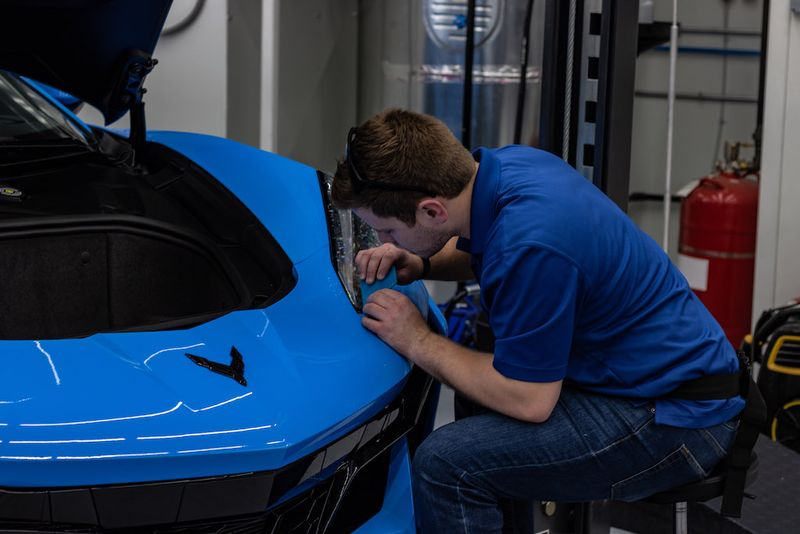
The Self-Healing Process Explained
When heat reaches damaged areas, it increases molecular movement in the thermoplastic urethane. Displaced polymer chains begin moving more freely, and surface tension pulls them back toward their original configuration. As the material cools, the chains lock into position, and the surface returns to smooth. The visual mark disappears because the surface irregularity no longer exists.
This requires sufficient heat to activate molecular movement without damaging the film or adhesive. Natural sunlight, warm water, professional heat gun application, or engine heat all provide effective activation. Healing time varies from 20-30 minutes for light swirls in summer sun to several hours for deeper marks.
What Self-Healing Can and Cannot Address
Setting realistic expectations matters when discussing self-healing paint protection film. The technology has clear capabilities and equally clear limitations.
What self-healing addresses effectively:
- Light swirl marks from washing
- Minor surface abrasions that haven't penetrated deep into the film
- Light contact marks from keys, zippers, or clothing
- Surface-level deformations from automated car wash equipment
- Damage from dust and debris
What self-healing cannot repair:
- Deep cuts that penetrate through the film layers
- Punctures or tears in the film
- Impact damage from significant road debris
- Edge lifting or adhesive failure
- Staining or discoloration
- Damage to the paint underneath the film
The distinction between repairable and non-repairable damage comes down to depth. If the damage exists only in the film's top layer, heating allows molecular reorganization to eliminate it. If damage penetrates deeper or compromises the film's structural integrity, self-healing won't address it.
This is why self-healing paint protection film reduces maintenance needs but doesn't eliminate them. The film still requires proper care, appropriate washing techniques, and protection from severe impacts.
The Role of Film Quality in Self-Healing Performance
Not all self-healing paint protection film performs identically. TPU formulation quality, film thickness, and manufacturing process all affect self-healing effectiveness. Premium films use advanced formulations engineered for optimal performance, balancing healing capability with impact resistance, optical clarity, and weather resistance. Professional installation ensures proper curing and optimal performance.
Maintaining Self-Healing Properties Over Time
The self-healing paint protection film maintains its heat-responsive properties throughout its lifespan, but surface contamination can interfere with the healing process. Keeping the film clean ensures heat can reach the TPU surface effectively.
Regular washing with appropriate products removes contamination without damaging the film. Use pH-neutral soaps and clean wash materials. Avoid automatic car washes with harsh chemicals or abrasive brushes that create the very damage you're trying to prevent.
Professional maintenance helps too. Auto detailing services can address bonded contamination that interferes with self-healing performance. Periodic professional cleaning keeps the film functioning as designed.
Why Self-Healing Justifies Premium Cost
Understanding the science clarifies why self-healing paint protection film costs more than standard films. The advanced TPU formulation requires sophisticated manufacturing but delivers tangible value through reduced maintenance and extended aesthetic appeal.
Standard films show every swirl permanently. These marks accumulate, degrading appearance even though protection remains. Self-healing film eliminates this issue, maintaining a protected appearance throughout service life with reduced worry about minor contact or washing technique.
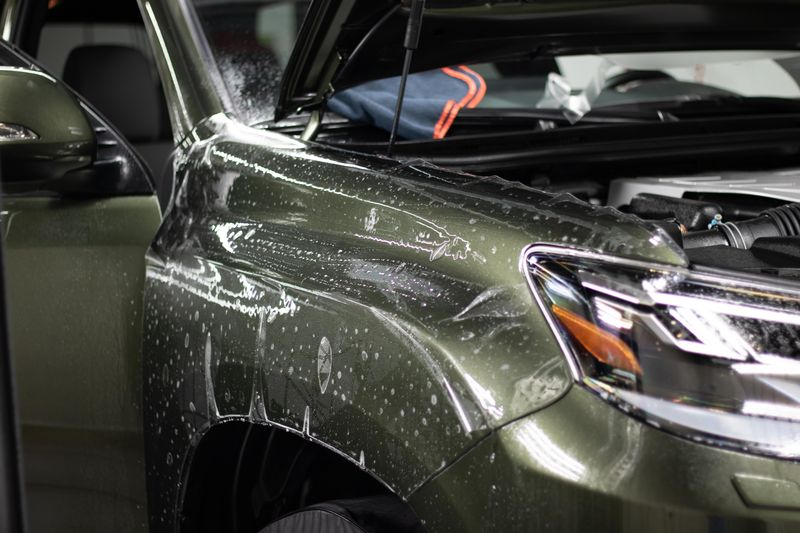
Professional Installation Maximizes Benefits
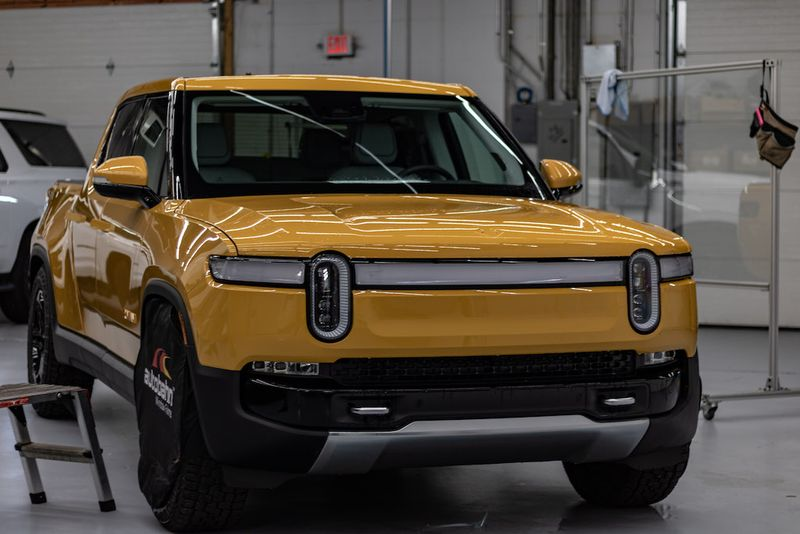
The benefits of self-healing paint protection film depend on proper installation. Professional facilities ensure correct surface preparation, precise film application, and adequate curing time. Clean, properly prepared surfaces ensure optimal adhesion and performance.
Making the Investment Decision
Ready to protect your vehicle with self-healing paint protection film? Contact A&G Auto Spa to discuss which PPF coverage options make sense for your vehicle and driving conditions. Our team can explain the specific films we install and how their self-healing properties benefit your particular situation.
Frequently Asked Questions
How quickly does self-healing paint protection film repair itself?
Self-healing paint protection film healing time varies based on damage severity and heat intensity. Light swirl marks in direct summer sunlight might disappear within 20-30 minutes. Deeper surface marks may require several hours or multiple heat exposure cycles. Washing with warm water can accelerate the process by providing consistent heat to the affected area. Extremely stubborn marks might need professional heat gun application for complete healing, though this represents a small percentage of typical damage.
Does the self-healing property wear out over time?
The self-healing paint protection film maintains its heat-responsive properties throughout its lifespan because the self-healing capability is built into the thermoplastic urethane chemistry itself. The material doesn't lose its ability to respond to heat and reorganize. However, surface contamination can interfere with healing if the film isn't kept clean. Regular washing and maintenance ensure heat can reach the film surface effectively, maintaining optimal self-healing performance.
Can self-healing film repair deep impacts from road debris?
Self-healing paint protection film addresses surface-level damage but cannot repair deep impacts that penetrate through the film layers. Rock chips, significant road debris impacts, or any damage that cuts through the TPU structure exceeds the self-healing capability. The film will still protect your paint from these impacts, preventing damage to the paint underneath, but the film itself may show permanent marks from severe impacts. This is why the film is considered protective rather than invulnerable.
Will using a heat gun damage my self-healing film?
Professional application of heat to self-healing paint protection film is safe when done correctly, but improper heat gun use can damage the film or underlying paint. Professionals understand the correct temperature range and application technique. Excessive heat can cause the adhesive to fail or the film to distort. For most healing needs, natural sunlight or warm water provides sufficient heat safely. Reserve the heat gun application for professional use on stubborn marks that won't heal through normal heat exposure.