Beyond the Gloss: Understanding the Hydrophobic Benefits of Ceramic Coatings
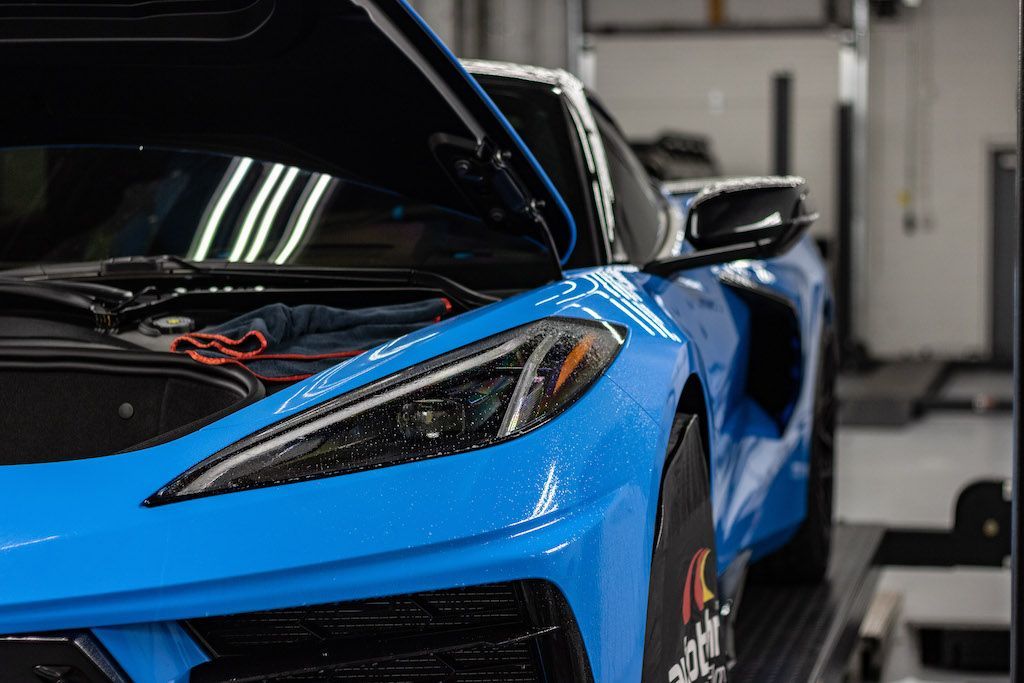
You've probably seen those videos where water just rolls right off a freshly coated vehicle, forming perfect beads that seem to defy physics. Those are the hydrophobic ceramic coating benefits in action, and they're not just for show.
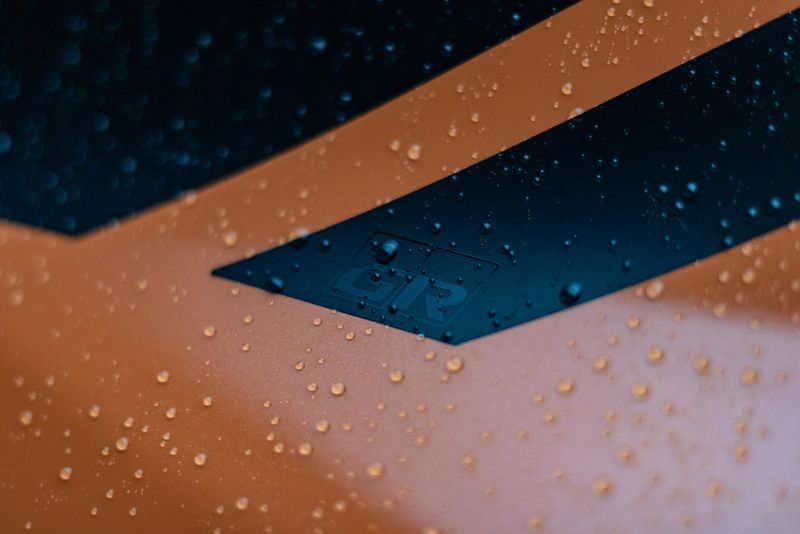
The word "hydrophobic" literally means "water-fearing," and when applied to ceramic coatings, it describes a surface that actively repels water. It fundamentally changes how your vehicle interacts with the environment, making maintenance easier and keeping your car cleaner between washes.
At A&G Auto Spa, we explain that the real value of hydrophobic coatings isn't the immediate wow factor. It's the cumulative time and effort you save over ownership. Let's break down exactly how this works and why it matters for your daily driving experience.
What Makes a Surface Hydrophobic
Understanding hydrophobic ceramic coating benefits starts with understanding what happens at the molecular level. Standard automotive paint has a relatively rough surface when viewed microscopically.
Ceramic coatings change this dynamic completely. The coating creates an extremely smooth surface at the microscopic level. Water molecules can't grip this slick surface effectively, so instead of spreading out, they form tight beads. Surface tension pulls each water droplet into a near-perfect sphere, which then rolls off the surface at the slightest angle.
This isn't magic or marketing hype. It's chemistry and physics working together. The coating creates an ultra-smooth protective layer, reduces surface energy so water can't spread out, and allows gravity to do the work of removing water. When water can't stick to your vehicle's surface, it can't carry contaminants onto that surface either.
How Water Behavior Affects Cleanliness
Here's where the hydrophobic ceramic coating benefits get interesting. When your uncoated vehicle sits in the rain, water spreads across the surface, picking up dust and pollen. As that water evaporates, it leaves behind contaminants, creating a dirty film.
With a hydrophobic coating, rain actually helps clean your vehicle. The water beads roll off quickly, taking surface contaminants with them. The coating doesn't give dirt the rough surface needed to bond effectively.
An uncoated vehicle accumulates layers of bonded contamination requiring scrubbing. A properly maintained coated vehicle keeps contamination on the surface level, where a simple rinse removes most of it. Morning dew that would create water spots? It beads up and rolls off. Light rain that would leave spotting? It rinses contaminants away.

Real-World Washing Time Savings
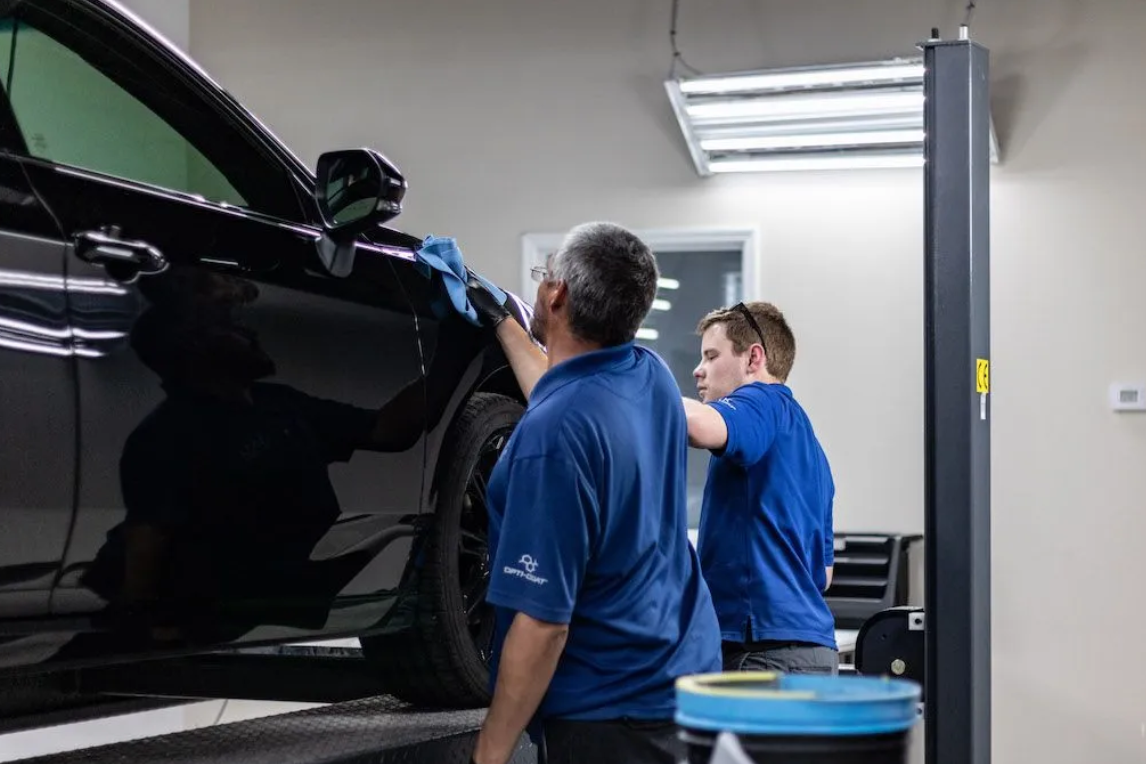
One of the most tangible hydrophobic ceramic coating benefits is the reduction in washing time and effort. This isn't about eliminating washing. Your vehicle still needs regular cleaning. But the nature of that cleaning process changes dramatically.
On uncoated paint, dirt bonds to the surface. You need friction, scrubbing, and sometimes aggressive cleaning products to break that bond. Each wash becomes a workout, and you still might not get perfectly clean results without significant effort.
Ceramic-coated surfaces release dirt easily because that dirt never bonded strongly in the first place. A simple rinse with water removes most loose contamination. The gentle wash process removes the rest without heavy scrubbing. The entire process takes less time and requires less physical effort.
These time differences add up quickly. If you wash your vehicle twice monthly, you're saving substantial time per year in washing effort alone. Over the typical lifespan of a ceramic coating, that's dozens of hours returned to your schedule.
Protection Against Water Spots and Mineral Deposits
Water spots frustrate vehicle owners everywhere. They form when water sits on paint and slowly evaporates, leaving behind dissolved minerals. These minerals bond to the paint surface, creating visible spots that regular washing won't remove.
Hydrophobic ceramic coating benefits include significant water spot prevention. Because water doesn't sit on a hydrophobic surface, it doesn't have time to slowly evaporate and deposit minerals. The water either rolls off completely or dries so quickly that mineral concentration doesn't reach spot-forming levels.
This protection is particularly valuable in areas with hard water. St. Louis area water contains minerals that readily form spots on unprotected paint. Irrigation systems, sprinklers, and even rain can introduce these minerals to your vehicle's surface. The hydrophobic properties of ceramic coatings minimize this ongoing problem.
When spots do occasionally form on coated surfaces, they sit on top of the coating rather than bonding to the paint. This makes them much easier to remove during regular washing. You're not fighting chemically bonded minerals, just removing surface deposits that haven't had the opportunity to form permanent bonds.
Reduced Contamination Buildup Between Washes
Vehicle ownership means your car accumulates environmental contamination between washes. Pollen settles, dust blows onto surfaces, tree sap drips, and bug residue collects. On uncoated paint, these contaminants bond immediately and strengthen over time.
Ceramic coatings change this equation. The hydrophobic surface doesn't provide the rough texture that helps contaminants bond. Bird droppings, tree sap, and bug residue sit on the surface rather than bonding to it, making them exponentially easier to remove. This benefit extends to road grime, brake dust, and tar that normally require aggressive cleaning.
UV Protection and Long-Term Paint Preservation
While discussing hydrophobic ceramic coating benefits, the same coating that provides water-repelling properties also blocks UV radiation. UV damage happens gradually, causing paint to fade and oxidize. Ceramic coatings provide UV-resistant protection, keeping your paint smooth and maintaining hydrophobic properties over time.
Maintaining the Hydrophobic Properties
The
hydrophobic ceramic coating benefits require proper maintenance. Regular washing with pH-neutral soaps designed for ceramic coatings keeps the surface functional. Avoid traditional waxes or sealants that can interfere with the coating's chemistry. Professional detailing removes buildup, restoring water-repelling effectiveness.

The Coating Foundation Matters
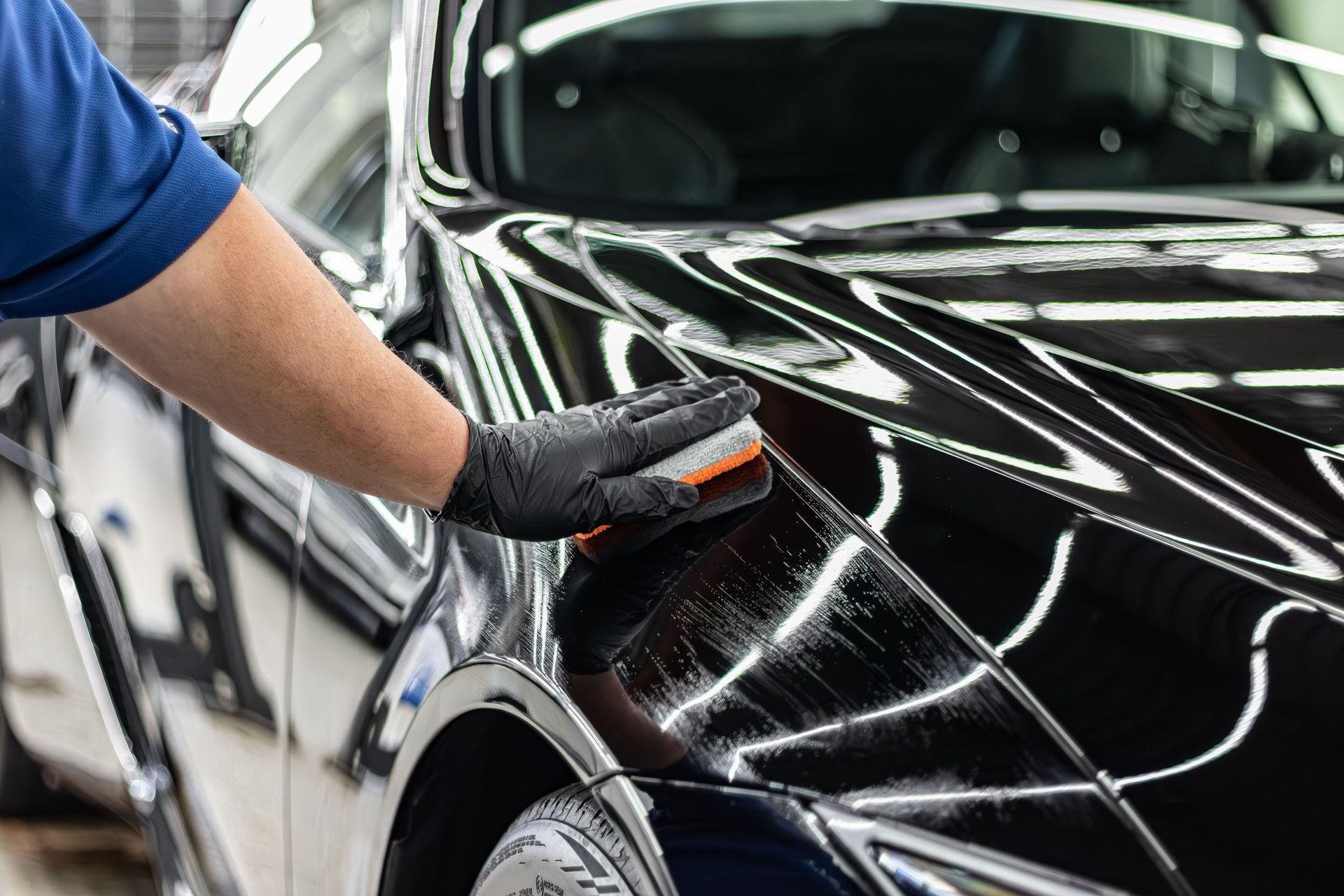
These hydrophobic benefits depend on proper coating application. Paint correction before coating ensures the smoothest possible base. Professional installation ensures proper surface preparation, correct application, and adequate curing time.
Experience the Difference
Ready to experience hydrophobic ceramic coating benefits for yourself? Contact A&G Auto Spa to discuss ceramic coating options for your vehicle.
Frequently Asked Questions
Does the hydrophobic effect wear off over time?
The hydrophobic ceramic coating benefits can diminish if the coating surface becomes contaminated or isn't properly maintained. The coating itself doesn't lose its hydrophobic properties, but buildup on the coating surface can mask those properties. Regular washing and periodic professional decontamination maintain optimal water-repelling performance. Environmental factors and washing frequency affect how long peak hydrophobic performance lasts between maintenance sessions.
Will a hydrophobic coating prevent all water spots?
Hydrophobic ceramic coating significantly reduces water spot formation but doesn't eliminate it entirely. The coating prevents most water spots by causing water to bead and roll off quickly. However, in situations with heavy mineral content or when water sits on horizontal surfaces in direct sun, some spotting can still occur. These spots are easier to remove from coated surfaces than from bare paint because they don't bond as aggressively.
Can I make my coating more hydrophobic?
The hydrophobic properties are built into the ceramic coating chemistry itself. You can't make a coating more hydrophobic than its designed capability. However, you can restore degraded hydrophobic performance through proper cleaning and decontamination. Some coating systems offer maintenance boosters that refresh surface properties, but these work by cleaning the coating rather than changing its fundamental characteristics.
How can I tell if my coating's hydrophobic properties are working properly?
Watch water behavior on your vehicle's surface. Properly functioning hydrophobic ceramic coating benefits create tight, rolling water beads rather than flat sheets of water. If water starts sheeting or beading becomes less pronounced, your coating needs cleaning or decontamination. This change typically indicates surface contamination rather than coating failure. A professional assessment can determine whether simple cleaning will restore performance or if other intervention is needed.