What Can Damage Your Ceramic Coating? Top Threats Every Owner Should Know
You just invested in a premium ceramic coating for your vehicle, and it looks incredible. The gloss, the water beading, the protection-everything you hoped for. But here's the thing: most people don't realize until it's too late that ceramic coating damage is more common than you'd think, and it usually comes from threats hiding in plain sight.
A ceramic coating from A&G Auto Spa isn't some magical force field that makes your vehicle indestructible. It's a sophisticated protective layer that requires proper care and awareness. Think of it like a high-performance athlete-incredibly capable, but still vulnerable to specific conditions that can break it down over time.
The good news? Most ceramic coating damage is preventable when you know what to watch for. Let's walk through the real threats to your coating and how you can keep your investment looking showroom-fresh for years.
Environmental Threats: Nature's Silent Attackers
Mother Nature doesn't care how much you spent on your coating. Environmental contaminants are probably the most underestimated cause of ceramic coating damage, mainly because they seem so harmless at first.
Bird droppings sit at the top of this threat list. The acidic compounds in bird waste can actually etch through a ceramic coating if left sitting for days. It's not an instant thing, but the longer it sits, the more damage occurs. Same deal with tree sap-that sticky, annoying gunk bonds to your coating and, if left untreated, can create permanent marks.
Here's what catches people off guard about environmental threats:
- Hard water spots: They build up mineral deposits that dull the coating's shine
- Industrial fallout: Tiny metal particles from factories or rail yards embed into the surface
- Pollen and tree debris: Creates a film that traps moisture against the coating
- Road tar and asphalt: Bonds aggressively and requires careful removal
The trick with environmental contaminants is acting fast. A ceramic coating gives you more time to clean compared to bare paint, but it's not unlimited. Spot something on your vehicle? Address it promptly rather than letting it sit.
Chemical Damage: When Cleaning Products Backfire
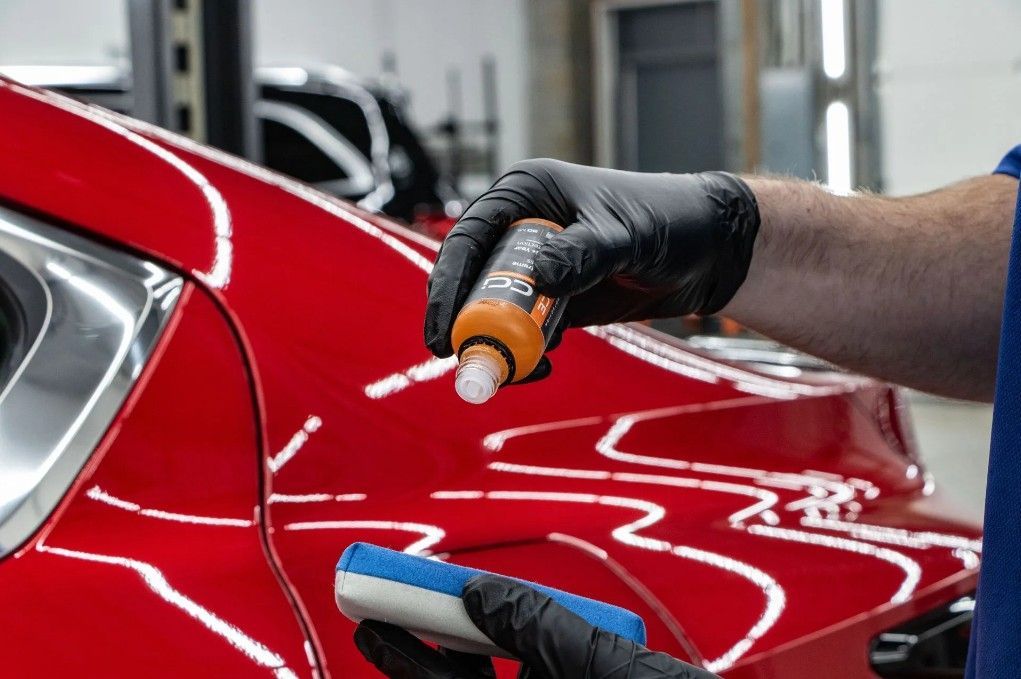
This one frustrates vehicle owners because they're usually trying to do the right thing. You're washing your car, using products you grabbed from the auto store, and unknowingly causing ceramic coating damage with every wash.
Automatic car washes are the biggest culprit here. Those harsh chemicals and abrasive brushes don't play nice with ceramic coatings. The soaps used in tunnel washes often contain strong alkaline or acidic components designed to strip everything off the paint-including your protective coating layer by layer.
But it's not just commercial car washes. Home washing can cause problems, too, if you're using the wrong products. Dish soap, household cleaners, or cheap car wash solutions can degrade the coating's hydrophobic properties. You might not see immediate damage, but over months, the coating loses its water-beading ability and protective qualities.
Safe cleaning practices matter more than you think:
- Use pH-neutral car wash soaps specifically designed for coated vehicles
- Skip the automatic car washes with abrasive brushes
- Avoid waxes or sealants-your coating doesn't need them, and they can interfere
- Rinse thoroughly to remove all cleaning product residue
When you invested in protection through A&G Auto Spa, you got a coating engineered for durability. But that engineering assumes you're not attacking it with aggressive chemicals every weekend.
Physical Damage: Poor Washing Techniques and Contact Points
Here's something that surprises people: most physical ceramic coating damage doesn't come from rocks or debris. It comes from washing. Specifically, it comes from washing with techniques that drag contaminants across the coating's surface.
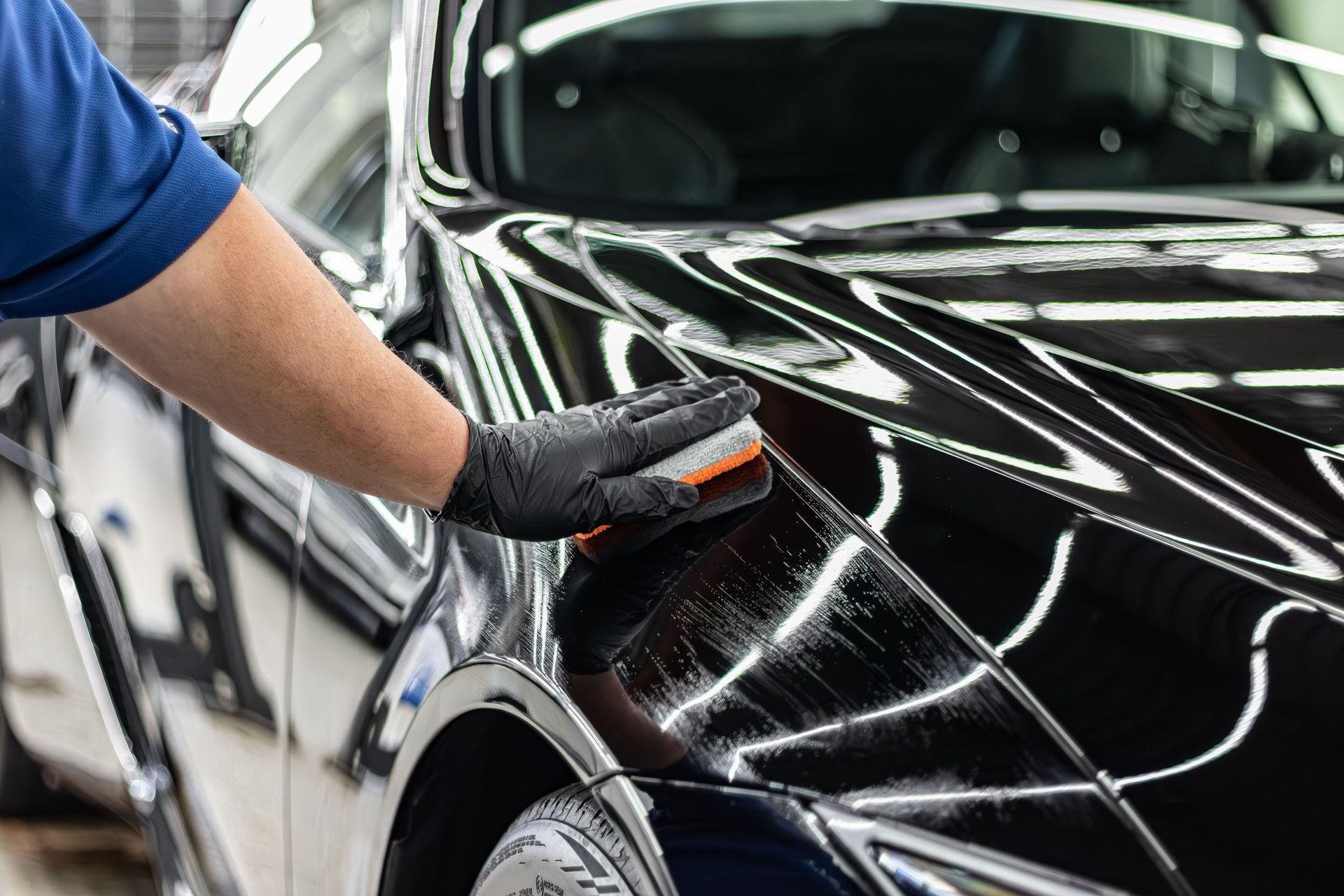
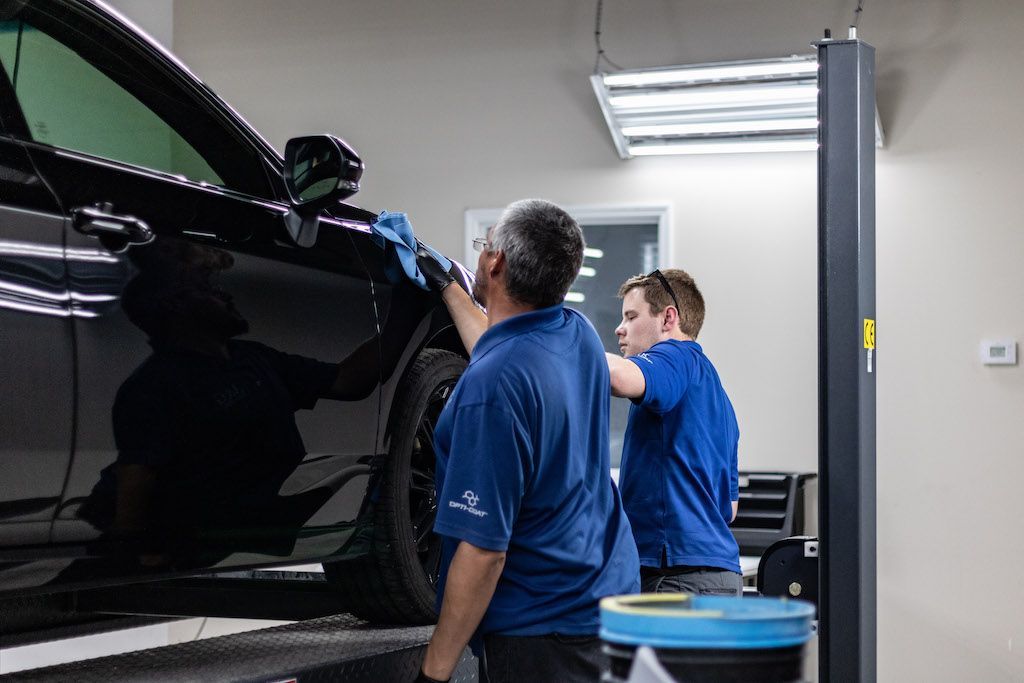
Using a dirty sponge or wash mitt is like taking sandpaper to your coating. All those tiny dirt particles, dust, and debris act as abrasives when you apply pressure. The result? Swirl marks, fine marks, and a coating that loses its clarity over time. Even microfiber towels can cause problems if they're not clean or if you're using too much pressure when drying.
The two-bucket wash method exists for a reason. One bucket with soapy water, one bucket for rinsing your mitt. This simple setup prevents you from reintroducing dirt back onto your vehicle's surface. And when you're drying? Pat or blot-don't scrub.
Parking choices create physical threats, too. Tight parking spots where you brush against bushes or walls, garages with low clearances, or spots under trees where branches scrape the roof-these all contribute to gradual coating degradation.
UV Exposure and Heat: The Slow Breakdown
St. Louis summers get brutal, and that intense heat combined with UV radiation does affect ceramic coatings over time. Now, a quality coating, like what's applied during paint correction and ceramic coating services, provides UV protection, but extended exposure still impacts the coating eventually.
Extended exposure to direct sunlight causes any coating to break down eventually. The molecular bonds weaken, the hydrophobic properties diminish, and the coating becomes more susceptible to other forms of damage. This is why covered parking or garage storage extends your coating's life significantly.
Heat cycling creates problems, too. Your vehicle heats up in the sun, then cools down overnight, then heats up again. This constant expansion and contraction stresses the coating. It's not going to crack or peel from this alone, but combined with other threats, it accelerates degradation.
Think about factory workers who deal with machinery-regular maintenance prevents breakdowns. Your
ceramic coating needs similar attention. Park in shade when possible, use covered parking, and understand that even the best coatings have a service life that heat and UV slowly chip away at.
Quick Reference: Spotting Coating Problems Early
Catching ceramic coating damage early means you can address it before it becomes a bigger issue. Here's what to watch for:
Water behavior changes: If water stops beading and starts sheeting flat, your coating's hydrophobic properties are weakening.
Dull patches or haziness: Indicates either contamination buildup or coating breakdown in specific areas.
Rough texture when touching the paint: Suggests embedded contaminants that need removal.
Reduced gloss or shine: Your coating should maintain depth and clarity-loss of these qualities signals problems.
Staining that won't wash off: Permanent marks from bird droppings, tree sap, or chemical exposure.
The vehicles that come through
A&G Auto Spa's Maryland Heights location for professional assessment usually show these signs first. Catching them early means addressing the issue before it becomes more serious.
Protect Your Investment with Expert Care
Your ceramic coating represents a significant investment in your vehicle's protection and appearance. Don't let preventable damage diminish that value. Whether you're noticing warning signs or want to ensure you're caring for your coating properly, reach out to A&G Auto Spa for expert guidance. Our team can assess your coating's condition and provide the maintenance it needs to stay in top shape for years to come.
Frequently Asked Questions
How long does ceramic coating last before needing replacement?
Quality ceramic coatings provide lasting protection with proper maintenance. The exact timeline depends on environmental exposure, washing habits, and whether the vehicle is garaged or parked outdoors. Professional-grade coatings applied at facilities like A&G Auto Spa generally outlast consumer products significantly. Signs that replacement is needed include persistent water sheeting instead of beading, loss of gloss, and rough texture that won't improve with decontamination.
Can ceramic coating damage be repaired without full removal?
Minor ceramic coating damage can often be addressed through professional decontamination and polishing services. Surface contaminants, light water spots, and minor etching may be correctable without removing the entire coating. However, severe chemical damage, deep scratches through the coating layer, or widespread degradation typically requires coating removal and reapplication. Professional assessment determines whether repair or replacement makes more sense for your specific situation.
Does ceramic coating protect against automatic car wash damage?
Ceramic coatings provide some protection against automatic car wash chemicals and abrasion, but they're not designed to withstand repeated harsh treatment. The coating creates a harder, more chemical-resistant surface than bare paint, but tunnel washes with aggressive soaps and spinning brushes will still degrade the coating over time. Handwashing with proper techniques and pH-neutral products keeps your coating in optimal condition and prevents unnecessary damage from automated washing systems.
What's the best way to maintain ceramic coating between professional services?
Maintaining your ceramic coating between professional services involves several simple practices. Wash your vehicle regularly using pH-neutral soap and the two-bucket method with clean microfiber materials. Address environmental contaminants like bird droppings and tree sap promptly when you notice them. Park in covered areas when possible to reduce UV exposure. Avoid applying waxes, sealants, or spray coatings that weren't specifically recommended for your ceramic coating, as these products can interfere with the coating's performance and create buildup.