Ceramic Coating Safety: Is It Safe for Your Family and Pets?
You're thinking about getting a ceramic coating for your vehicle, but there's a question nagging at you. Is it safe? You've got kids who touch everything, maybe a dog who loves sticking their head out the car window, and you want to make sure this decision doesn't create any health concerns for your family.
When you're investing in vehicle protection, understanding ceramic coating safety matters just as much as knowing about the shine and protection benefits. The good news is that ceramic coatings from professional facilities like A&G Auto Spa are designed with safety in mind, with proper processes ensuring your family and pets stay protected throughout.
Understanding Ceramic Coating Chemistry
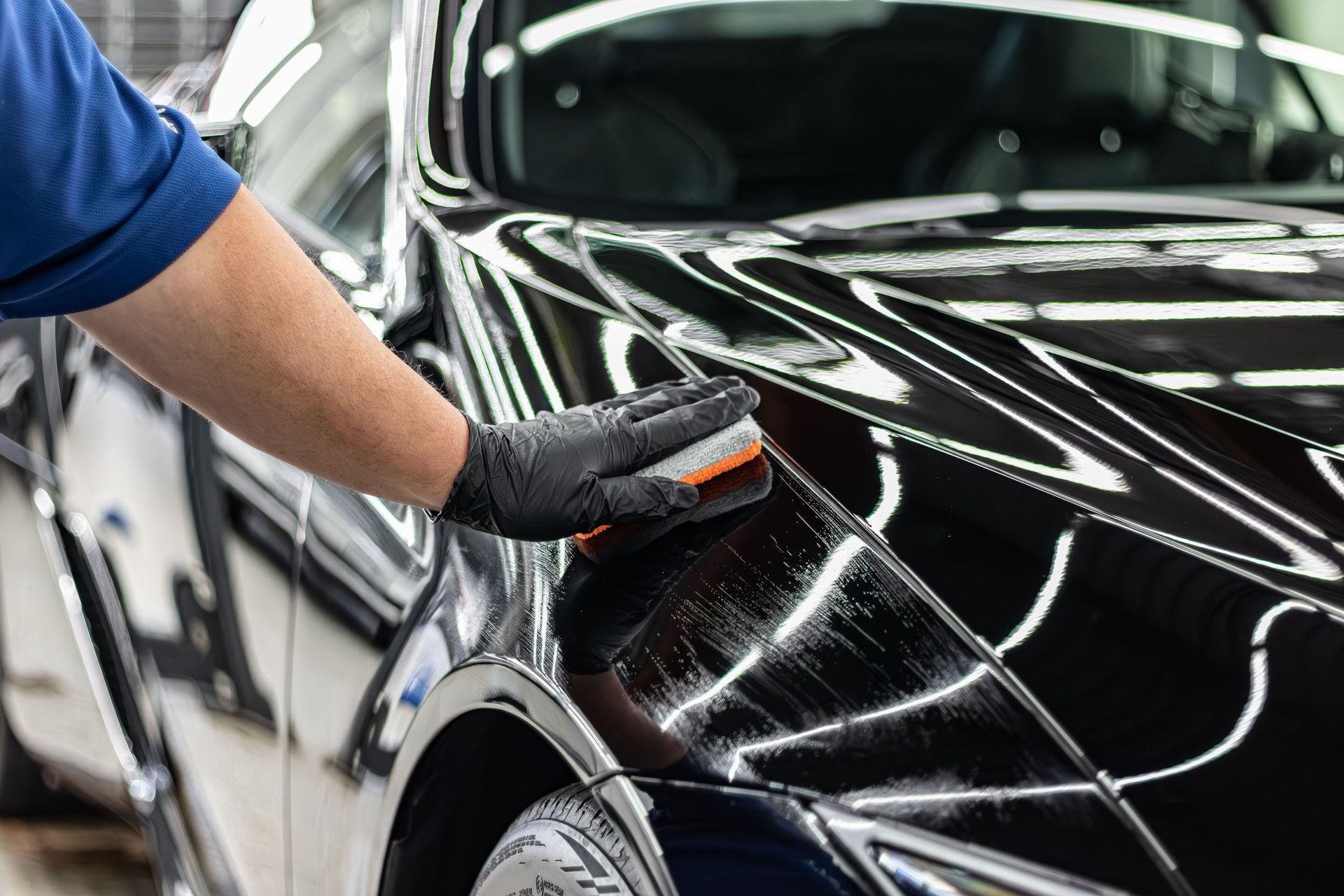
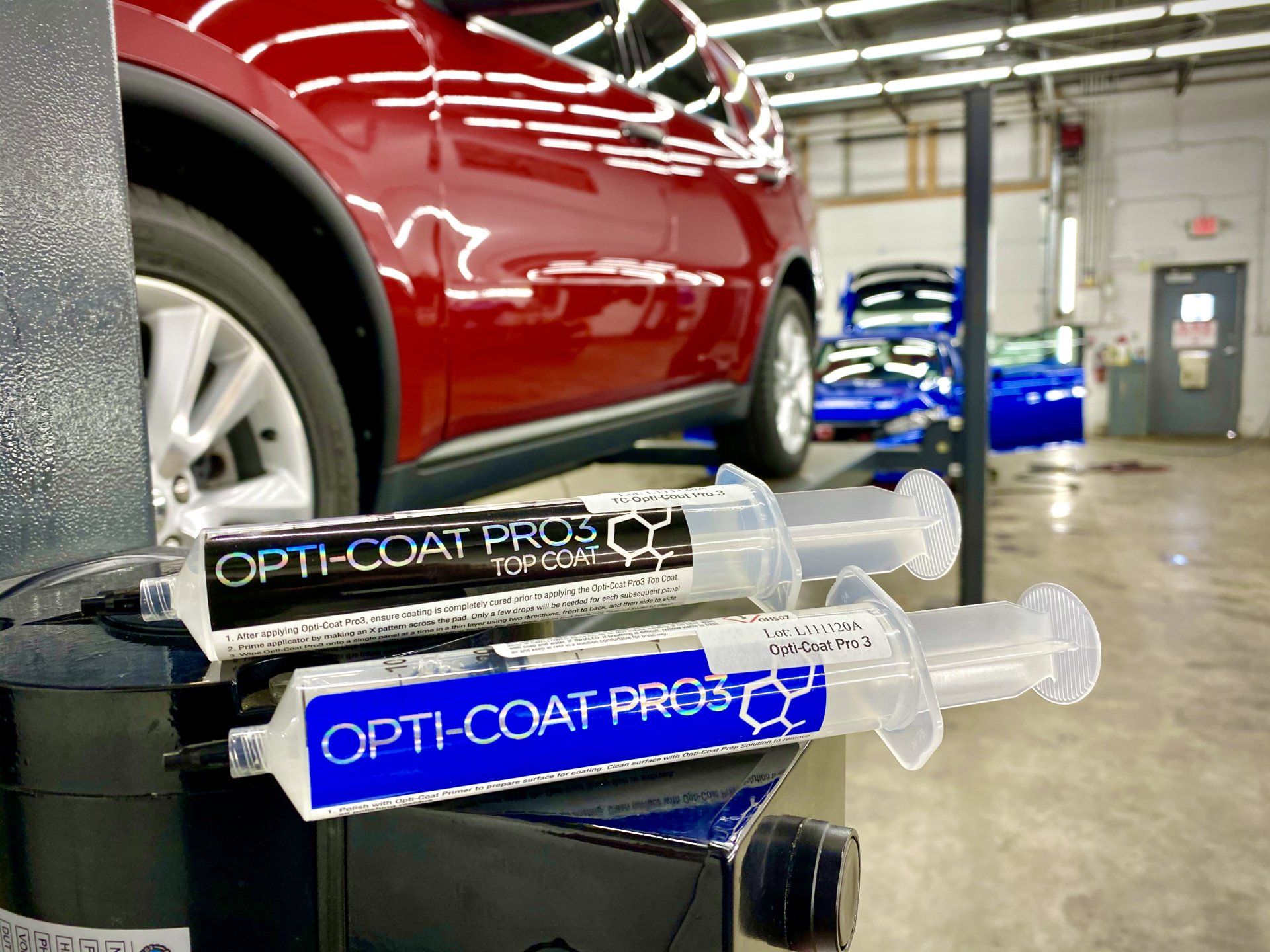
Ceramic coatings are liquid polymer formulations that chemically bond with your vehicle's paint surface to create a protective layer. The coating itself is a sophisticated chemical product, but once it cures and hardens, it becomes an inert layer on your paint.
Think of it like how wet paint has a smell and requires ventilation, but dried paint on your walls doesn't create ongoing concerns. The transformation from liquid to cured coating changes everything about its safety profile. Professional-grade ceramic coatings use advanced chemistry to create durable protection, and during the liquid phase, these products require proper handling in controlled environments.
Professional Application and Safety Protocols
The application phase is when ceramic coating safety considerations are most important. This is when the coating exists in its liquid form and requires careful handling by trained professionals who understand proper safety protocols.
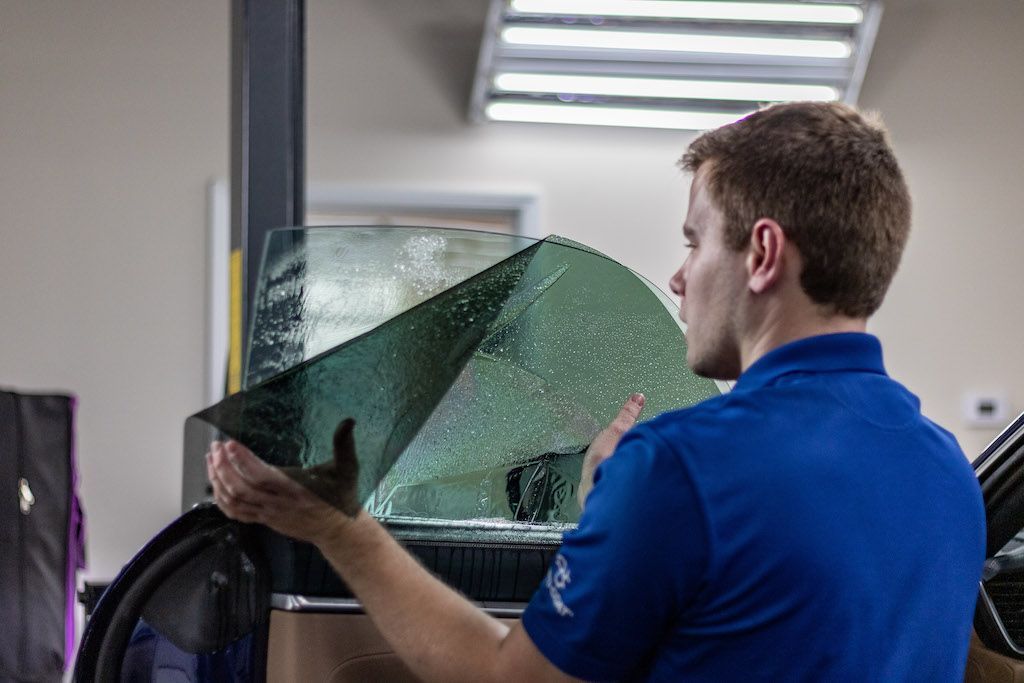
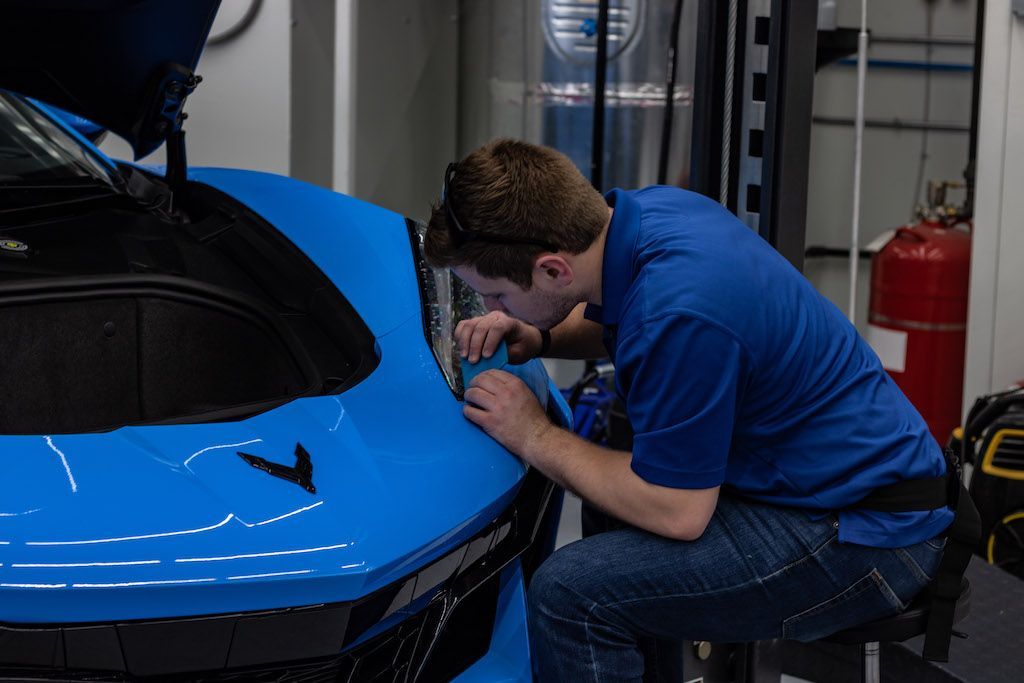
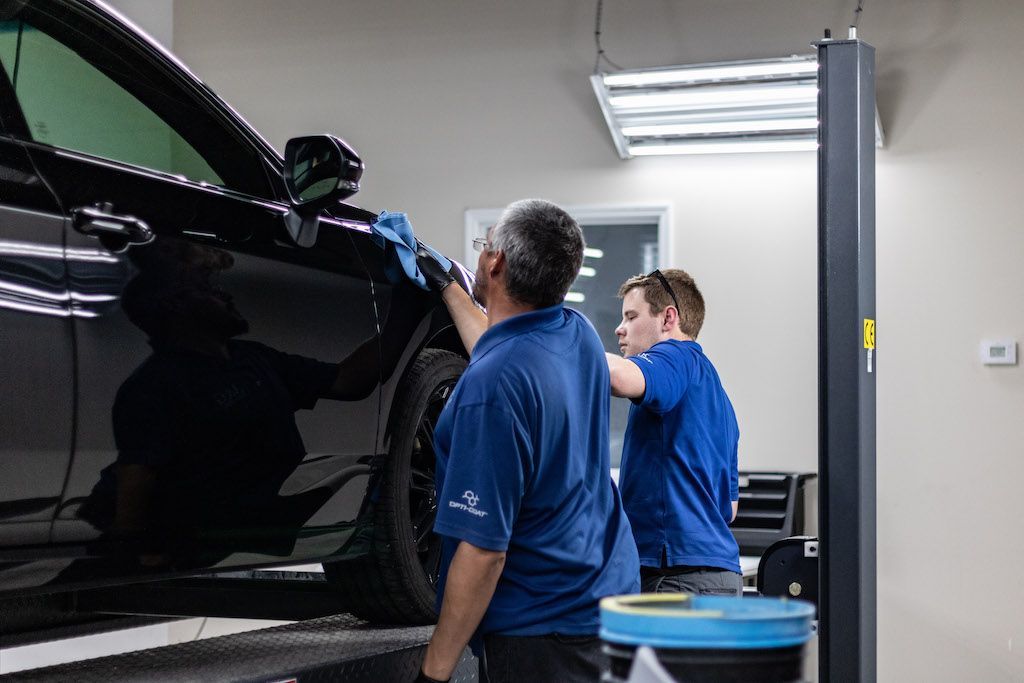
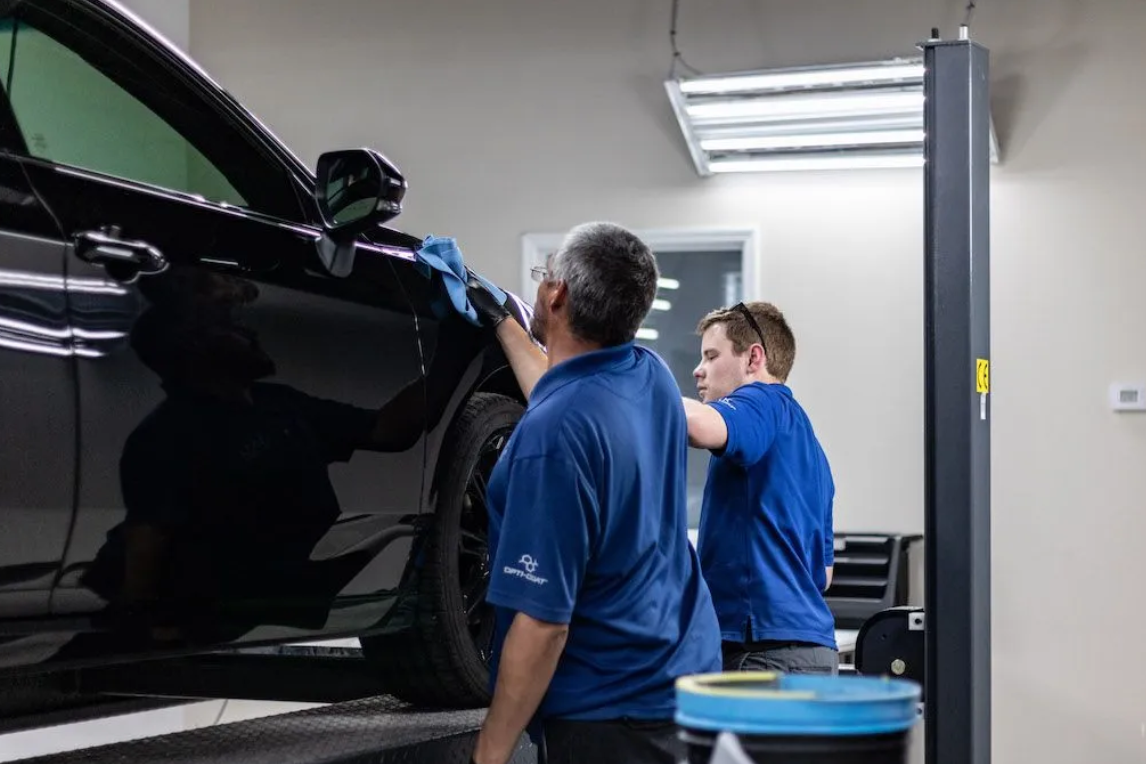
Professional facilities apply ceramic coatings in controlled environments with proper ventilation. The application area is separate from customer waiting spaces, and technicians use appropriate protective equipment during the process. You're not exposed to the application chemicals because you're not present during this phase.
Key safety measures include:
- Controlled ventilation systems that remove fumes from the workspace
- Trained technicians following proper handling procedures
- Application happening away from public areas
- Professional-grade products require specific safety knowledge
Your vehicle stays at the facility during application and initial curing precisely because the coating needs time in a controlled environment. This separation protects you and your family from any exposure during the most sensitive phase.
Curing Process: From Application to Safe Use
The curing phase bridges the gap between liquid application and the safe, hardened coating you'll interact with daily. During curing, the ceramic coating undergoes chemical changes that transform it from a liquid product into a hard, stable layer.
By the time you pick up your vehicle, the curing process has progressed to a point where normal contact is safe. Any remaining odors from the coating materials will dissipate quickly once the vehicle is in regular use with normal ventilation.
Fresh air circulation helps any residual odors dissipate completely. Rolling down the windows during your first few drives accomplishes this naturally. You're not dealing with harmful fumes at this point—just residual product smell that goes away quickly with normal use.
Daily Use: Living with Ceramic Coating
Once your ceramic coating has fully cured, long-term ceramic coating safety is straightforward. The coating becomes a permanent part of your vehicle's exterior that requires no special safety considerations during normal use.
The hardened coating is chemically inert, meaning it doesn't react with things it comes into contact with under normal conditions. Your kids can touch the car, play around it, and help wash it without any safety concerns. The coating doesn't transfer to skin or create exposure risks.
Pets experience no issues with ceramic-coated vehicles either. Dogs who stick their heads out windows, cats who walk on the hood, or any other pet interaction with the exterior poses no concerns. The coating is just a hard surface layer that doesn't affect animals any differently than regular paint would.
Regular cleaning and maintenance of ceramic-coated vehicles uses standard car wash products. You're not handling special chemicals or taking unique precautions during routine care. The coating itself requires no special safety measures once it's on your vehicle and cured.
Garage Storage and Indoor Considerations
Many families park their vehicles in attached garages that connect to living spaces. This setup raises questions about ceramic coating safety when the vehicle sits in an area adjacent to your home.
A vehicle with a fully cured ceramic coating poses no concerns for garage storage. The coating doesn't emit fumes, odors, or any substances that would affect indoor air quality in your garage or home. Park your ceramic-coated vehicle in an attached garage with complete confidence.
The situation differs during the first day or two after you bring the vehicle home, when minor residual odors might still be present. Opening the garage door for a bit allows any remaining smell to dissipate. This is purely a comfort consideration, not a health issue. Once any initial odor fully dissipates, your ceramic-coated vehicle can be stored in your garage indefinitely without any special ventilation needs.
Pet-Specific Safety Considerations
Pet owners have specific concerns about ceramic coating safety that deserve direct attention. Your furry family members interact with your vehicle differently than humans do, and you want to ensure their safety, too.
Dogs who ride in vehicles with ceramic-coated exteriors face no risks from the coating. Whether they're sticking their heads out windows, sitting in truck beds, or just being around the vehicle, the coating presents no concerns. Cats who might walk on vehicle surfaces or rub against the car also experience no issues.
Some pet-related points worth noting:
- Pets tracking across fresh coating before full cure could damage the coating (keep pets away during initial days)
- The slick surface of the ceramic coating might be slightly more slippery for pet paws
- Coating protects your paint from pet claw marks better than unprotected paint
- Fully cured coating is safe for all pet interactions
The main consideration with pets is protecting the new coating during its first days, not protecting the pets from the coating. Once fully cured, the coating is completely safe for all pet interactions.
Addressing Common Safety Misconceptions
Several misconceptions about ceramic coating safety circulate in online forums and casual conversations. Some people worry that ceramic coatings contain toxic chemicals that remain dangerous after application. The reality is that while the liquid coating requires professional handling, the cured product is chemically stable and safe.
Another misconception suggests that ceramic coatings emit ongoing fumes or vapors. Properly cured coatings are solid, stable layers that don't release anything into the air. Any odors present immediately after application dissipate quickly and don't represent long-term emissions.
Some families worry about children or pets having reactions to ceramic-coated surfaces. The cured coating is no more reactive than the paint underneath it. Normal contact causes no issues for people or animals.
Your Safety Checklist
Here's a practical checklist to ensure ceramic coating safety throughout the process:
Before Application:
- Confirm coating application by trained professionals
- Verify proper ventilation during application
- Understand the process before vehicle return
At Vehicle Pickup:
- Ventilate the interior during the first drives if any odor is present
- Keep pets away from the exterior for the first day or two
- Follow any specific guidance provided
Long-Term Use:
- Use the vehicle normally once fully cured
- Clean with standard car care products
- No ongoing precautions needed
Make Confident Decisions for Your Family
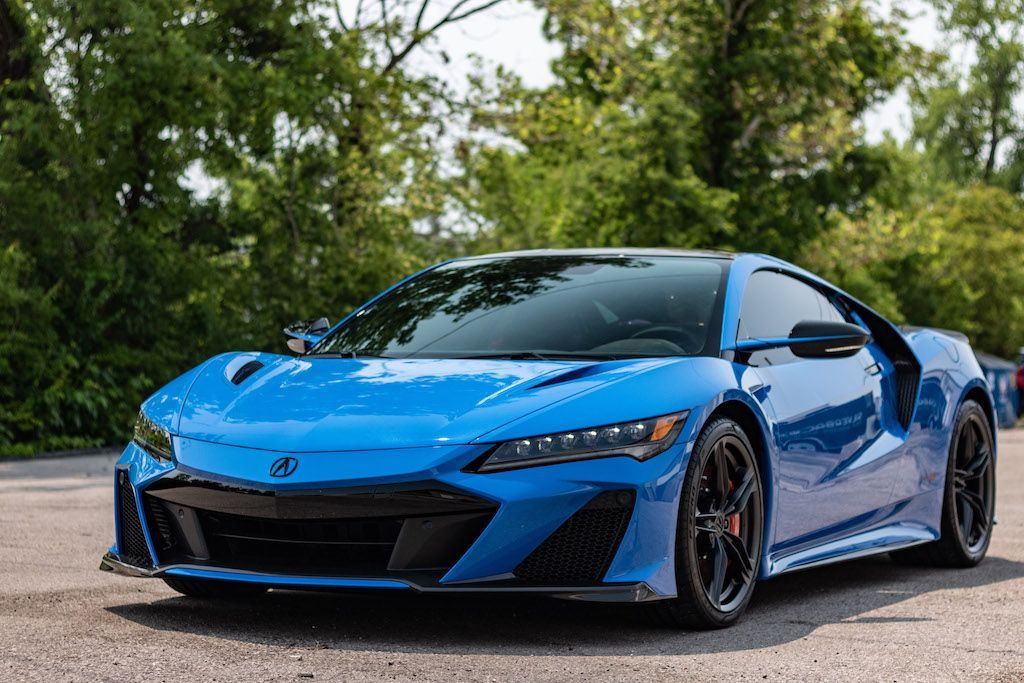
Understanding ceramic coating safety lets you make vehicle protection decisions confidently. Professional ceramic coating services deliver outstanding protection without creating concerns for your family or pets when proper procedures are followed.
The key is working with facilities that handle applications professionally, allow proper curing time, and provide clear guidance about initial use. Your vehicle protection shouldn't require compromising family safety or creating complicated precautions.
Get Your Questions Answered
Still have specific concerns about ceramic coating safety for your family situation? Reach out to A&G Auto Spa to discuss your questions directly. Our team can address your specific concerns and explain exactly what to expect throughout the coating process.
Frequently Asked Questions
Is it safe to have children touch a ceramic-coated vehicle?
Yes, ceramic coating safety for children is completely fine once the coating has fully cured. The hardened coating is an inert surface that poses no risks from normal contact. Children can touch, lean against, or help wash the vehicle without any concerns. The coating doesn't transfer to skin or create any exposure issues. Keep children away during the first day or two simply to avoid damaging the coating while it reaches full hardness.
Can my dog ride in my truck bed with ceramic coating?
Dogs can safely ride in truck beds with ceramic coating once fully cured. The coating presents no health risks to animals and functions just like paint. Be aware that dog claws might create wear over time, though the coating provides better protection than unprotected paint. Let the coating fully cure before exposing it to pet traffic to ensure maximum durability.
Will ceramic coating create odors in my attached garage?
A fully cured ceramic coating creates no ongoing odors in your garage. Once curing is complete, it's chemically stable and doesn't emit fumes or smells. When you first bring your vehicle home, a minor residual odor might be present that dissipates within a day or two. After this initial period, store your ceramic-coated vehicle in an attached garage indefinitely without air quality concerns.
Are ceramic coating chemicals toxic to pets?
The liquid chemicals used during ceramic coating application require professional handling, which is why the application happens in controlled environments away from pets and people. Once the coating cures and hardens, it becomes an inert layer with no toxicity concerns for pets. Pets can interact normally with ceramic-coated vehicles without risk. The professional process protects pets during application, and the cured coating is completely safe.