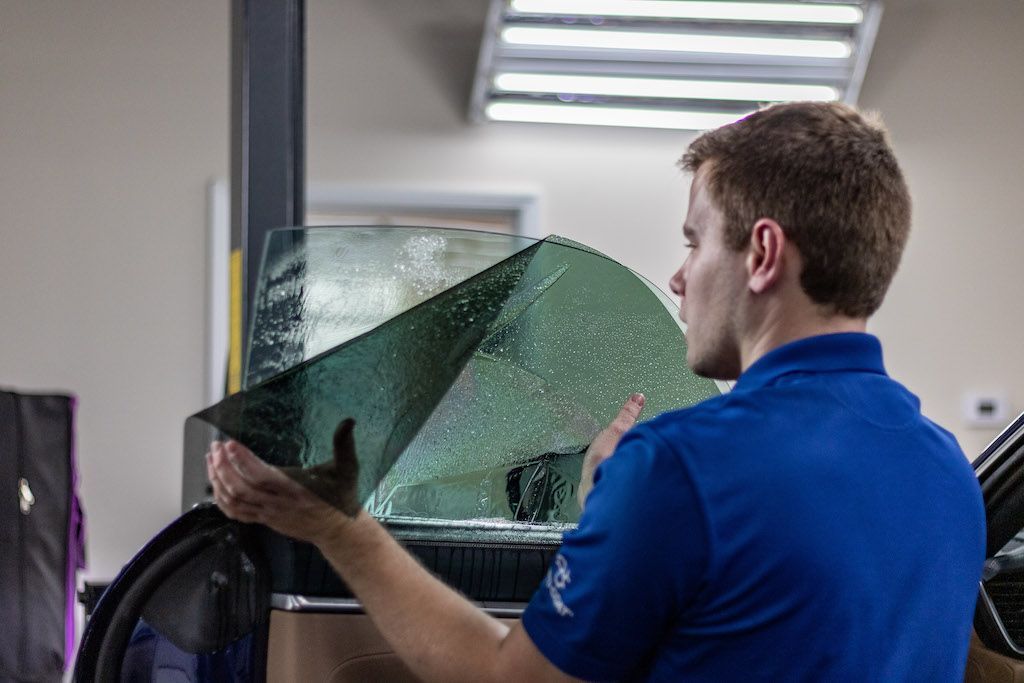
You're considering window tint for your vehicle, but there's one concern that keeps coming up. How will it affect your ability to see at night? You drive home from work after sunset, maybe pick up kids from evening activities, or take late-night road trips.
Window tint night driving safety is something Missouri drivers should think about before making tinting decisions. At A&G Auto Spa, we work with drivers who have all kinds of schedules and needs.
Understanding Tint Percentages and Light Transmission
When you're looking at window tinting options, you'll see percentages that describe how much light passes through the film. Lower percentages mean a darker tint.
Here's how the numbers work:
- 70% tint - Very light, minimal darkness
- 50% tint - Moderate darkness
- 35% tint - Medium darkness, Missouri legal minimum for front
- 20% tint - Dark appearance
- 5% tint - Very dark
Your eyes need light to process visual information. During the day, there's abundant light even with darker tints. At night, you're working with limited light from streetlights and headlights. A very dark tint can impact your visibility.
How Different Tint Levels Affect Night Vision
The impact of tint on night vision varies significantly based on how dark you go. Understanding these differences helps you balance style preferences with safety needs.
Lighter tints (50-70% range): Minimal impact on night driving. Most drivers don't notice significant visibility changes with these lighter options. You still get UV protection and heat rejection benefits while maintaining clear sight lines after dark.
Medium tints (35-50% range): Create noticeable but manageable differences. Your eyes adapt to the slightly reduced light levels, and most drivers handle these percentages fine for nighttime driving. Street-lit urban areas present fewer challenges than dark rural roads with these tint levels.
Darker tints (below 35%): Start affecting night vision more noticeably. The darker you go, the more your eyes strain to gather available light. Very dark tints in the 5-20% range significantly limit light transmission and can make nighttime driving challenging on poorly lit roads.
Front Window Considerations for Driver Safety
Front windows deserve special attention for window tint night driving safety because they directly affect your sight lines. Missouri requires front side windows to allow more than 35% of light through.
Consider your typical driving conditions:
- Highway driving at night - Lighter tints maximize visibility
- Well-lit city commutes - More flexibility in darkness
- Rural roads - Lighter options work best
- Mixed conditions - Conservative choices protect safety
Rear Window Tinting: Balancing Privacy and Awareness
Rear windows offer more flexibility for darker tints because they don't directly affect forward visibility. However, rear tints affect what you see through mirrors at night.
Many drivers opt for graduated tinting:
- Front windows - Lighter for maximum visibility
- Rear side windows - Medium darkness
- Back window - Darkest for privacy
Modern Ceramic Tint Technology and Visibility
Ceramic window tint technology has changed the conversation about tinting and night driving. These advanced films provide heat rejection and UV protection without requiring extremely dark tints.
Key advantages:
- Blocks heat through technology, not just darkness
- Better optical clarity than dyed films
- Excellent protection with lighter percentages
- Superior light transmission for visibility
A quality ceramic tint in a moderate percentage delivers outstanding performance while keeping your nighttime sight lines clear.
Real-World Night Driving Scenarios
Understanding tinting and visibility in theory is one thing. Knowing how it plays out in real driving helps you make better decisions.
Urban night driving: Street lighting provides substantial illumination. Most tint levels handle these conditions well.
Suburban driving: Mixed lighting conditions. Medium tint percentages work fine, but darker options might feel limiting on less-lit streets.
Rural driving: Dark country roads rely on headlights as the primary light. Darker tints can make it harder to see road edges, wildlife, or hazards.
Weather conditions: Rain, fog, or snow already reduce visibility. Dark tint on top makes driving more challenging.
Making the Right Choice for Your Needs
Your ideal tint darkness depends on your specific driving patterns and personal preferences. There's no universal answer because different drivers have different needs.
Match your tint to your driving reality:
- Heavy night drivers - Benefit from lighter tints that maximize visibility
- Primarily daytime drivers - Have more flexibility with darker options
- Mixed schedules - Choose tint levels that perform in challenging conditions
If you're on the road after dark regularly, prioritize sight lines over darker styling. The peace of mind from clear visibility is worth more than marginal aesthetic differences.
Professional Guidance for Your Decision
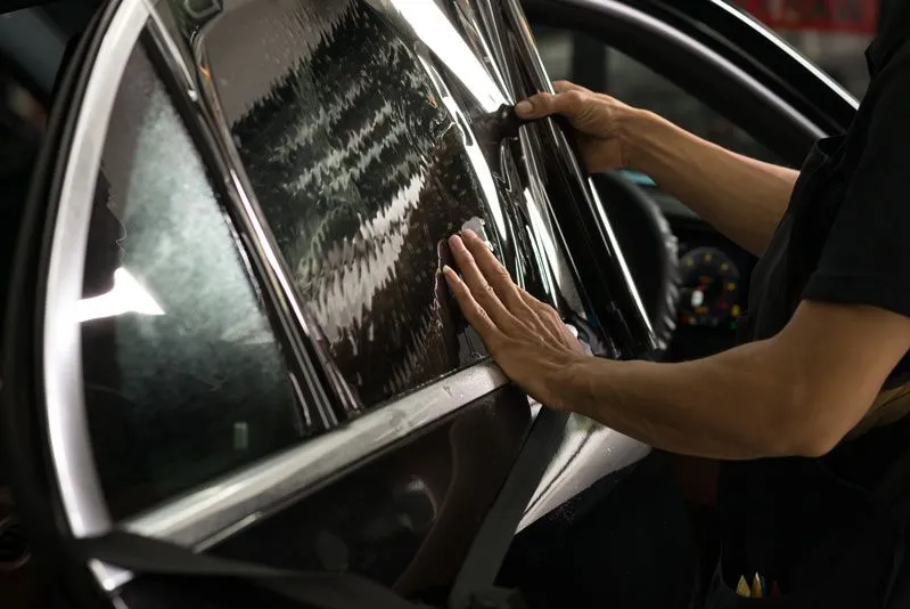
Working with experienced tinting professionals helps you navigate visibility considerations effectively. They can show you samples of different tint levels and discuss how each performs at night. Professional installers understand local regulations and ensure your choices comply with Missouri laws.
Get Expert Advice for Your Situation
Ready to explore window tinting options that work for your driving needs? Connect with A&G Auto Spa to discuss window tint night driving safety considerations specific to your vehicle and driving patterns. Our team can help you choose tint levels that deliver the protection and style you want while keeping your nighttime visibility where it needs to be.
Frequently Asked Questions
What tint percentage is best for night driving safety?
For window tint night driving safety, percentages above 35% provide the best balance. Front windows should stay at or above the 35% legal minimum. Frequent night drivers often choose 50% or lighter for front windows. Rear windows can go darker since they don't affect primary sight lines.
Does ceramic tint improve night driving visibility compared to regular tint?
Ceramic tint delivers excellent heat rejection without requiring extremely dark tints. The optical clarity maintains better light transmission than older dyed films. You can achieve protection goals with lighter percentages that preserve nighttime visibility.
Can I make dark tint work if I mostly drive in the city?
Urban driving with street lighting creates more forgiving conditions with darker tints. However, you'll still encounter dark parking structures, poorly lit streets, or weather conditions that challenge visibility. Consider keeping front windows lighter while going darker on rear windows.
Will window tint affect my ability to see traffic signals at night?
Quality window tint at legal percentages should not significantly impact traffic signal visibility. Traffic signals emit strong, focused light designed for various conditions. Staying within legal limits ensures signals remain clearly visible.