
Why Headlight Protection Film Is One of the Smartest Small Upgrades
You've probably spotted one in a parking lot. An older car pulls in, and the headlights look foggy and yellow, almost like frosted glass. The paint might still be in decent shape, but those dull lenses make the whole car look worn out.
Now think about your own car. You wash it, you park it away from the crowd, and you'd like it to stay sharp for as long as you own it. So why do the headlights so rarely get any attention?
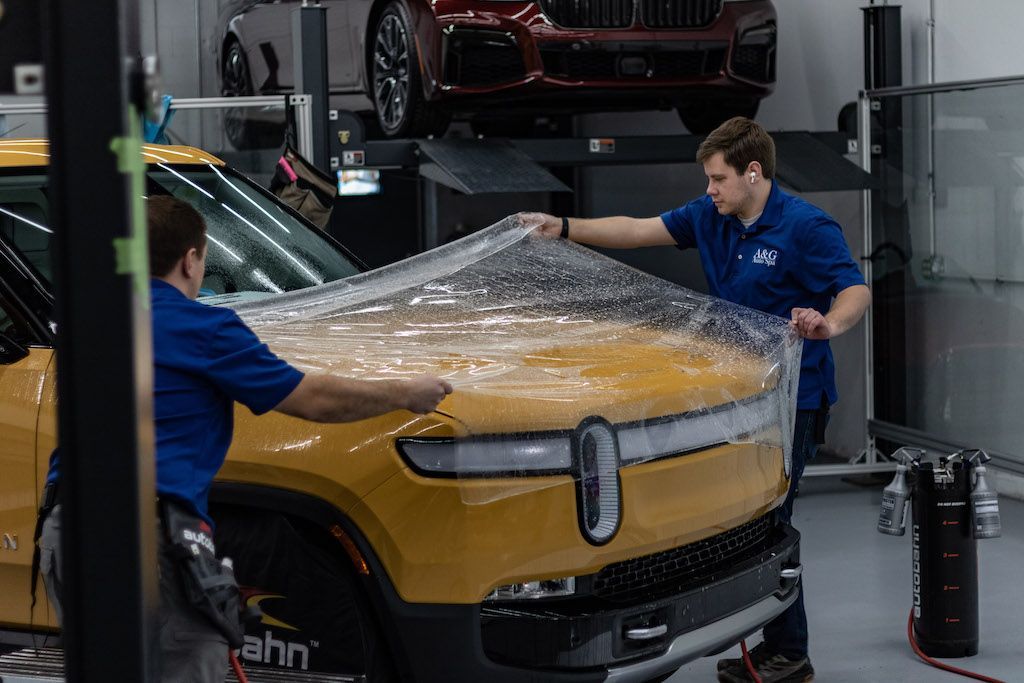
Paint protection film for headlights gives them that attention. It's a clear layer placed over the lens, so road grit, bugs, and sun hit the film before they ever reach the headlight. Think of it as a quiet shield you'll barely notice once it's in place.
There's also a bigger reason to care. Your headlights light the road for you after dark. When the lenses stay clear, you see better, and that matters every time you drive home late.
In this post, you'll see what headlights face on the road, how the film helps, where its limits are, and why it's such a smart small upgrade for a car you plan to keep looking its best.
What Your Headlights Deal With on Every Drive
Your headlights ride at the very front of your car. Whatever bounces off the road usually finds them first.
Here's what they're up against:
- Rock chips: Small stones thrown by other vehicles can chip the lens surface.
- Pitting: Sand and road grit strike the lens again and again at highway speeds, leaving tiny pits that make it rough.
- Sun: Your headlights sit in the sun whenever the car is parked outside.
- Bugs and road grime: Bug splatter and dirty spray cling to the lens and get dragged across it when you wipe them off.
- Winter mess: Slush, salt, and wet grime coat the front end during cold-weather driving.
Why You Don't Notice It Right Away
This kind of wear builds slowly, so it's easy to miss.
You see your car every day, which means small changes blend in. Then one rainy night, the road ahead seems darker than it used to, and you start wondering what changed.
How Paint Protection Film for Headlights Works
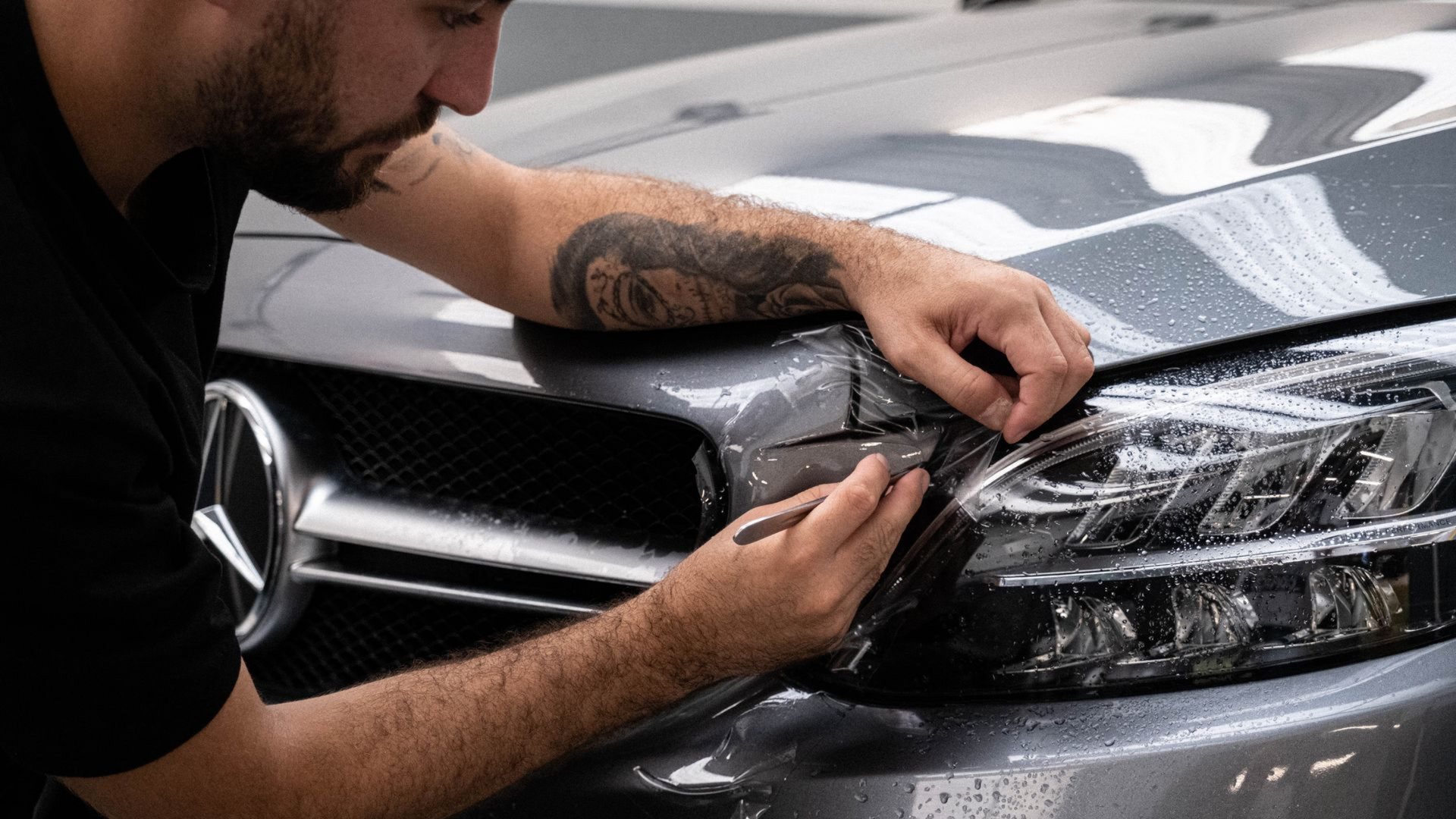
The concept is simple. A thin, clear film is applied over the outside of the lens, and it becomes the surface that faces the road.
So when a pebble flies up, the film takes the hit. When grit blasts the front of your car on the highway, the film handles that abrasion instead of the lens.
Here's why it works so well on headlights:
- It's clear, so your headlights keep their original look.
- It follows the curve of the lens when it's fitted correctly.
- It stays flat and smooth with a good install, without bubbles or lifted corners.
Part of the Clear Bra Family
Headlight film is the same type of protection people use on their paint. It just goes to work on a smaller spot that does a very important job.
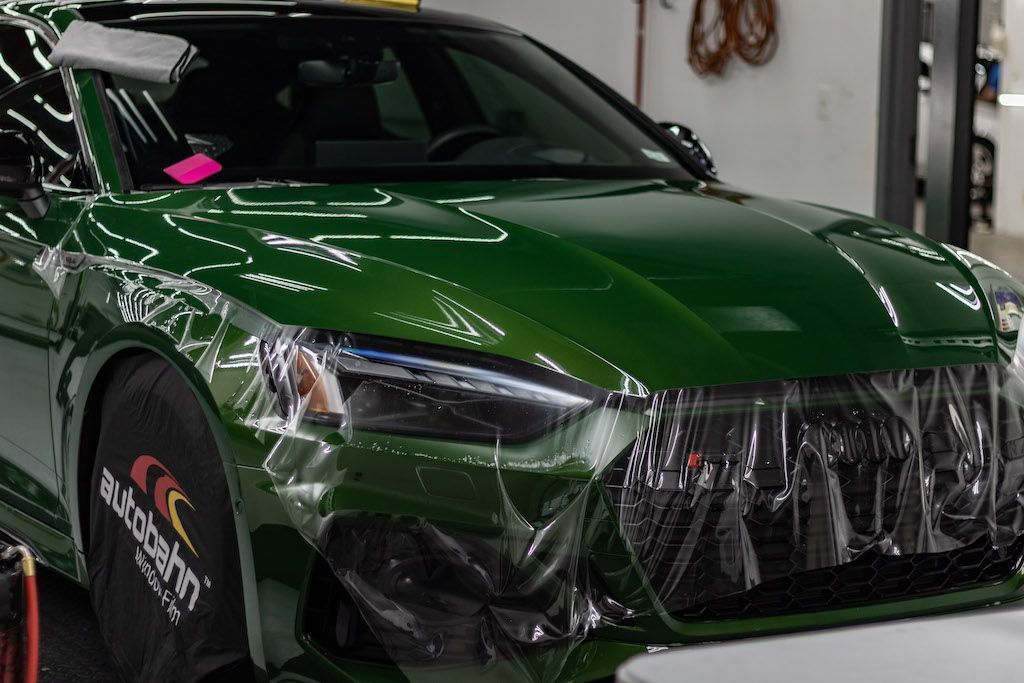
If you're already thinking about protecting the front of your car with clear bra and paint protection film, ask about your headlights while you plan your coverage. The team at A&G Auto Spa can tell you what makes sense for your vehicle.
Clear Lenses and Safer Night Driving
This is where headlight protection goes past looks. It's also about how well you can see the road.
A hazy or pitted lens scatters the light passing through it. Instead of a crisp beam, you get a weaker, blurry glow, and that can make it harder to notice:
- An animal near the shoulder
- A pothole or debris in your lane
- A person walking or riding a bike in dark clothing
- Lane lines and signs on a wet night
Glare and Other Drivers
Cloudy lenses can affect the people around you, too.
When light scatters, some of it heads in directions it shouldn't, and that can add glare for oncoming traffic. Keeping your lenses clear helps your beam stay where it belongs.
The Look of a Well-Kept Car
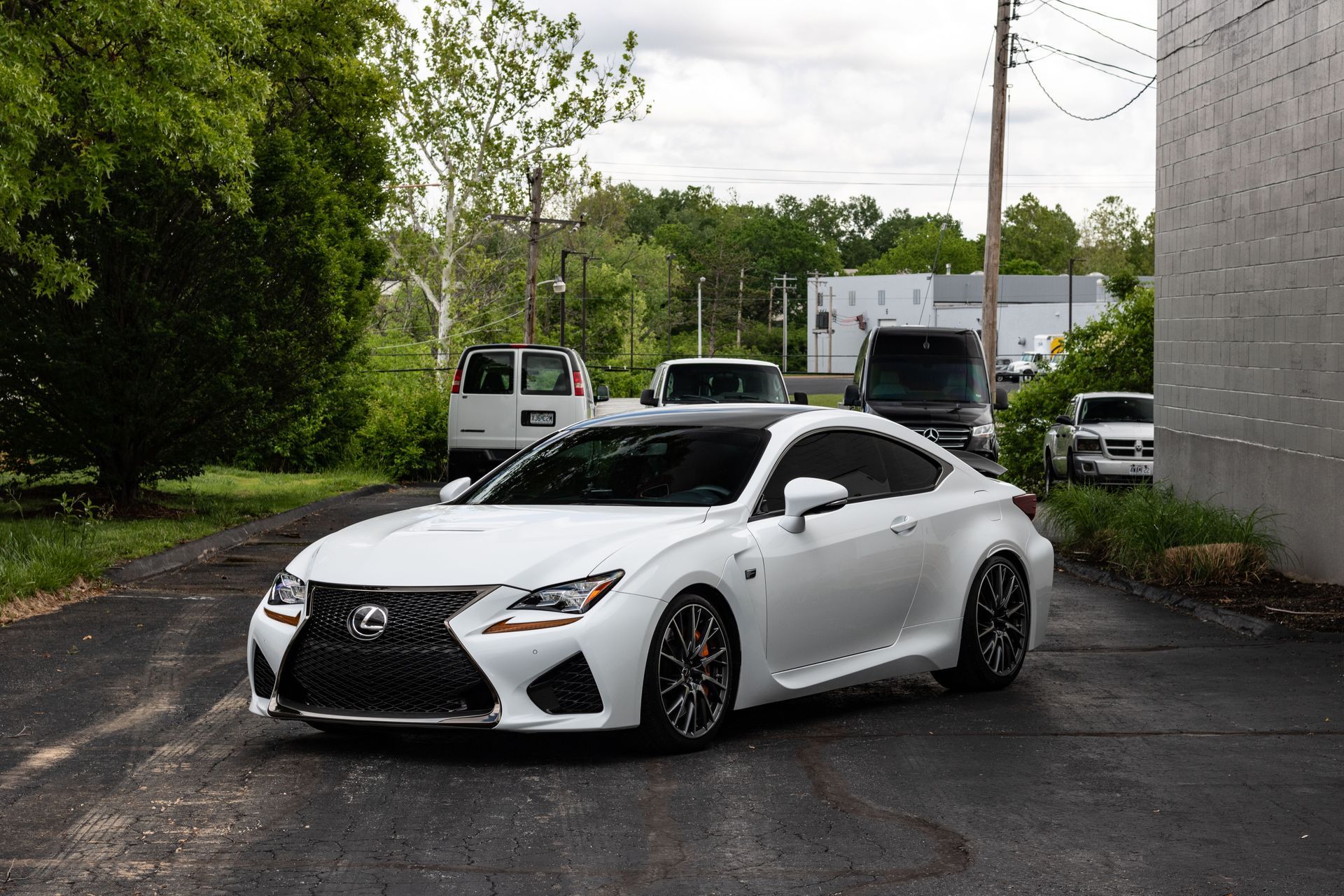
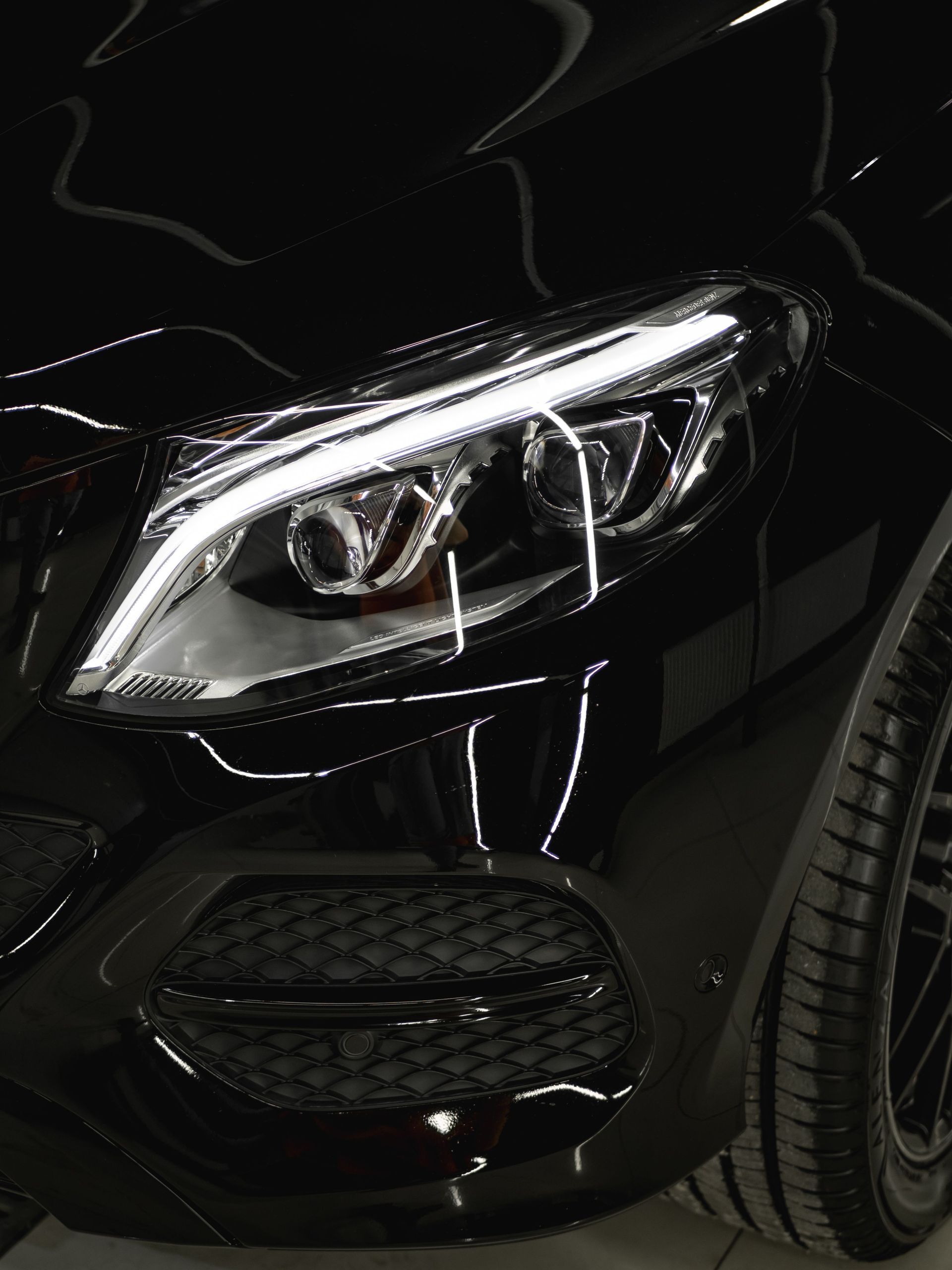
People tend to notice a car's headlights before almost anything else. They set the tone for the whole front end.
A car with glossy paint and foggy lenses still looks older than it is. Clear, crisp headlights do the opposite. They make the car look like someone takes care of it.
Headlight protection makes a lot of sense if you:
- Plan to keep your car for many years and want it to stay sharp
- Just drove a new car home and want to protect it early
- Care about how the car will look when you sell it or trade it in
Got a new vehicle? Our Ultimate New Car Protection package combines paint protection film and ceramic coating, so it's worth asking how headlights could fit into that plan.
A Small Spot With a Big Effect
Headlights don't take up much space on your car. Still, they shape how the whole front end looks.
That's why we see headlight film as a practical, high-value detail and not an add-on for its own sake. You use your headlights on every drive after dark, so keeping them clear just makes sense.
What Headlight Film Can and Can't Do
It's worth being clear about this part. Headlight film is all about prevention, and knowing its limits helps you make a smart call.
Where It Helps
Once it's on, the film helps protect your lenses from:
- Chips from small rocks and road debris
- Pitting caused by sand and grit
- Hazing from everyday wear on the lens surface
- Stuck-on bugs and grime
Where It Doesn't
Film doesn't repair damage that already exists. If your headlights are yellow, cloudy, or pitted right now, film placed over them will only seal in what you already see.
It also can't stop everything. A large enough rock can still cause harm, and no film makes a lens immune to surface damage. Its job is to absorb daily wear so the lens doesn't have to.
So when should you add paint protection film for headlights? Ideally while your lenses still look good. A new car is the perfect candidate, and so is any car whose headlights are still clear.
Why Headlights Need a Careful Install
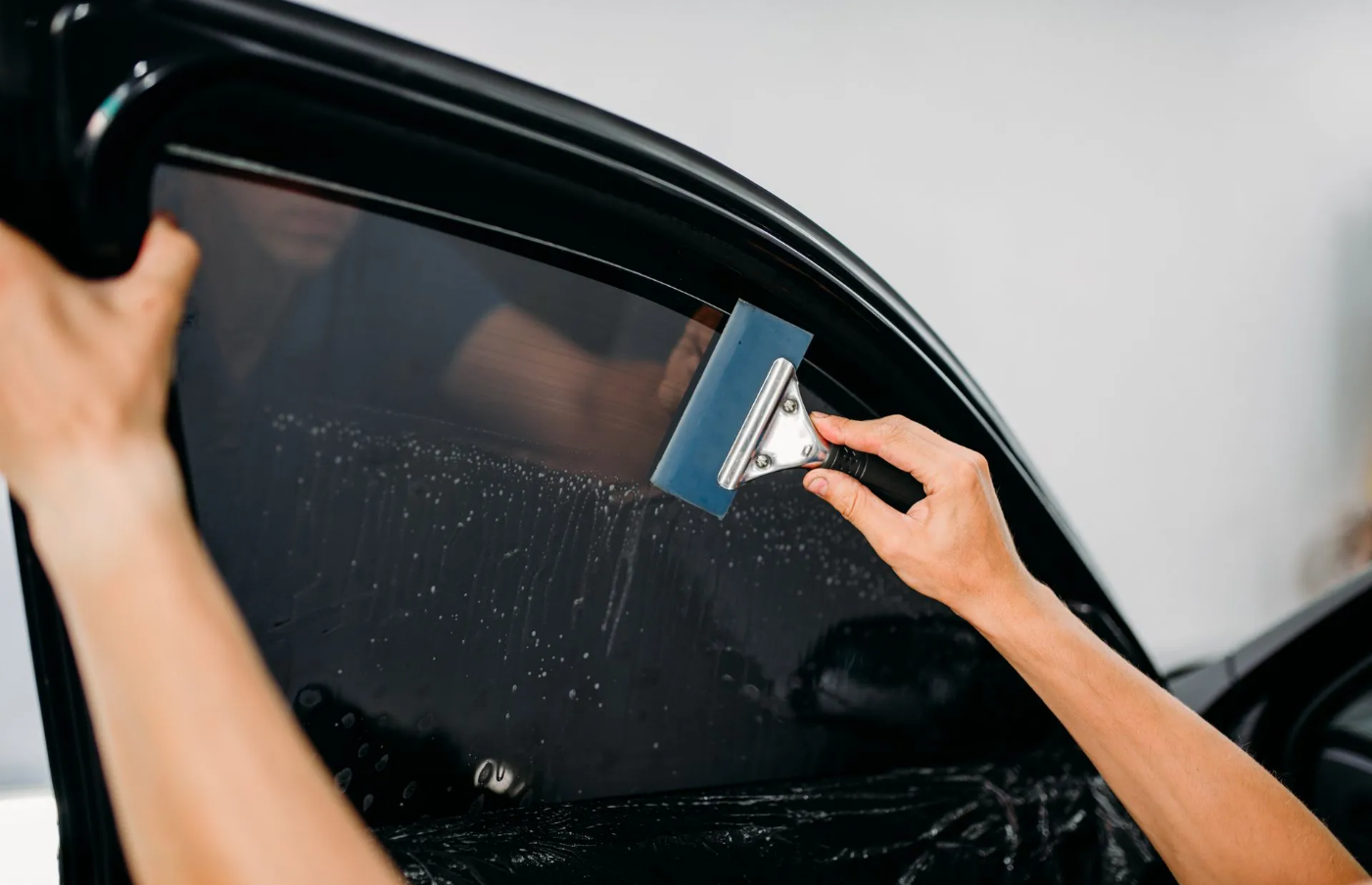
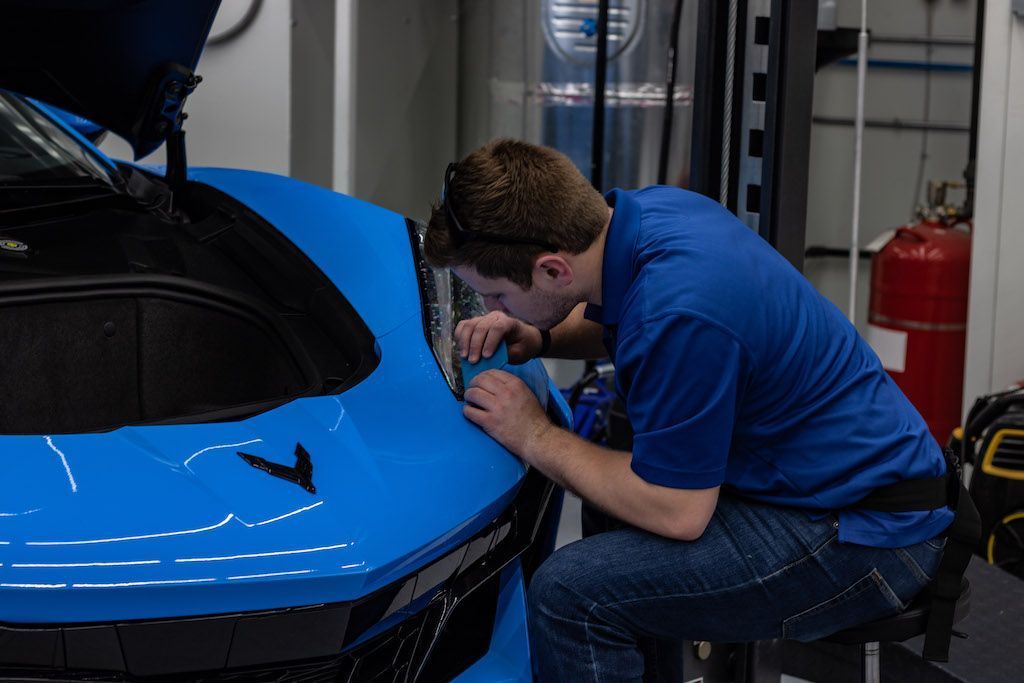
Headlights are curved, and some have pretty complex shapes. Getting film to lie flat and clean on a surface like that takes skill and patience.
A rushed install can lead to:
- Edges that lift and collect dirt
- Bubbles or wrinkles you can see from a few feet away
- Uncovered areas that leave part of the lens exposed
Our Maryland Heights, MO location has IDA (International Detailing Association) and CPD (Certified Professional Detailer) certified technicians. That training counts on curved surfaces like headlights, where clean edges make all the difference.
Pairing Headlight Film With a Coating
Some drivers also ask about adding a ceramic coating on top of their film.
It isn't required, and it's not the right choice for everyone. If you're curious, our ceramic coating service page is a good place to start, and our team can talk through whether it fits your goals.
Keeping Headlight Film Clear
Headlight film needs very little from you. A few simple habits go a long way.
- Rinse off bugs and road grime before they dry and harden
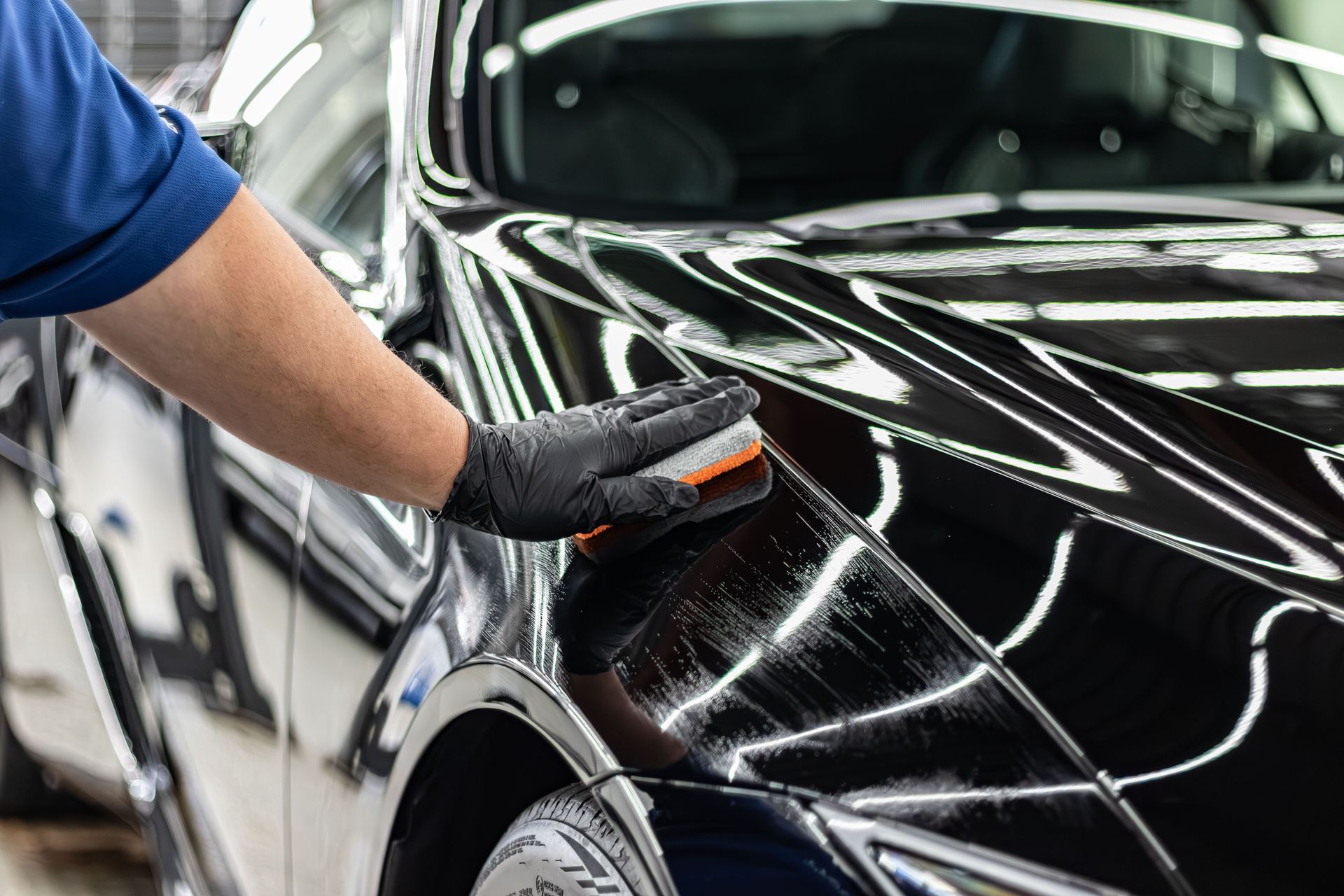
- Wash with a soft mitt and a mild car soap
- Keep harsh chemicals and stiff brushes away from the lenses
- Pat the headlights dry with a clean microfiber towel
Give the film the same gentle care you'd give your paint, and it'll keep quietly doing its job.
Protect Your Headlights With A&G Auto Spa
If your headlights still look bright and clear, this is a great time to keep them that way. One small upgrade now can help you avoid that cloudy, worn-out look later.
Contact our team to talk about headlight protection for your vehicle. We'll go over your options with you and help you choose what fits the way you drive around St. Louis.
Frequently Asked Questions
Here are answers to a few common questions about protecting headlights with film.
Can people tell there's film on my headlights?
In most cases, no. The film is clear and sits flat on the lens, so your headlights keep the look they had before. If someone leans in close and searches for it, they might catch a thin edge along the border. From a normal viewing distance, though, it's very hard to spot.
That's part of the appeal. You get protection for your lenses without changing the style of your car. A careful install plays a big role here, too, since clean edges and a smooth surface help the film stay out of sight.
Will film fix headlights that are already yellow or foggy?
No, and it's important to be honest about that. Headlight film is meant to protect lenses that are still in good condition. It won't clear up haze, yellowing, or pitting that's already there. Placing film over a damaged lens just locks that damage in place, right where you can see it.
That's why timing matters so much. The best moment to protect your headlights is when they're new or still clear. If you aren't sure where your headlights stand, reach out, and our team will be glad to talk it over with you.
Is headlight film only about looks?
Not at all. Keeping your headlights sharp-looking is a nice bonus, but the bigger reason is visibility. Your headlights light the road when it's dark, rainy, or foggy. As a lens slowly turns hazy and pitted, the light coming through it gets scattered, and your view of the road can suffer.
Film helps protect the lens from the everyday wear that leads to that haze. So you're really protecting two things at once. You're keeping the front of your car looking fresh, and you're helping your headlights do their main job well for longer.
Should I protect my headlights along with the rest of the front end?
It's a good idea to think about them together. Your headlights sit on the same part of the car that takes the most hits from rocks and road grit, right next to the hood and bumper. Some drivers choose front-end coverage, while others prefer a bigger combination of protection. There isn't one answer that works for everyone.
It depends on how much you drive, the roads you use most, and how long you plan to keep the car. Our team can walk you through the choices so you end up with coverage that fits your needs.
Is headlight film hard to keep clean?
Not really. You can wash your headlights along with the rest of your car, using a soft mitt, a mild car soap, and plenty of water. Try to rinse off bug splatter soon after a drive, because fresh messes come off far more easily than baked-on ones.
Avoid harsh chemicals, stiff brushes, and rough towels on the lenses. When you're done, dry the headlights with a clean microfiber towel. That simple routine is usually all it takes to keep the film clear and looking good.