
Saving Your Seats and Dash: How Tint Slows Interior Fading
Picture a used car on a lot. The paint looks fine, the tires look newer, and then you open the door. The dashboard has a chalky, faded look, and there's a crack running across the top. The driver's seat is worn and dried out right where the sun hits it.
That interior didn't get that way overnight. It happened one sunny afternoon at a time, while the car sat parked at work, at the store, or in the driveway.
If you're planning to hang onto your car, you probably want the cabin to stay looking the way it did when you first drove it home. That brings up a fair question. Does window tint protect your interior from sun fading, or is that just a sales pitch?
The honest answer is that tint helps, and it helps in a real way. It won't freeze time inside your car, but it can cut down the sun exposure that wears out your seats, dash, and trim.
Below, we'll cover what the sun does to interior materials, how tint slows that damage, and what it can't do. Let's start with the problem itself.
What the Sun Does to Your Car's Interior
Your car's cabin is basically a glass box. On a bright day, sunlight pours through the windows and lands right on the surfaces you touch and see every day.
Over time, that exposure shows up in a few familiar ways:
- Faded dashboards: Dark dashes can turn a dull, washed-out shade, and some develop cracks along the top.
- Dried-out leather: Leather seats can lose their rich color and start to look stiff and worn.
- Faded fabric: Cloth seats and carpet near the windows can lose color unevenly.
- Discolored trim: Door panels, armrests, and plastic pieces can fade or look chalky.
- Worn steering wheels: The wheel often sits in direct sun and can fade or dry out over time.
Why You Don't See It Happening
Sun damage inside a car is slow. You sit in the same seat every day, so small changes are hard to notice.
Then one day you clean the car, look closely at the dash, and notice it has gone a shade lighter. By that point, the fading has already set in.
How Ultraviolet Light Wears Down Interior Materials
To understand why tint helps, it's useful to know what's actually doing the damage. A major culprit is ultraviolet light, or UV for short.
UV light is part of sunlight, but you can't see it. Some of it passes through your car's windows and reaches the materials inside the cabin. Over time, that exposure breaks down the dyes and surfaces in leather, vinyl, plastic, and fabric.
The result is the fading, drying, and cracking that make an older interior look tired. The more sun your car sees, the faster that wear tends to build up.
Heat and UV Are Two Different Problems
It's easy to lump sun damage and a hot cabin together, yet they're separate issues. Heat is what you feel when you climb into a car that's been parked in the sun.
UV is the part you don't feel, and it's the part that slowly ages your interior materials. This article is all about that second problem: keeping your seats, dash, and trim looking good for the long run.
So, Does Window Tint Protect Your Interior From Sun Fading?
Here's the straight answer. Window tint helps reduce the UV light that reaches your interior, and less UV exposure means slower fading and wear.
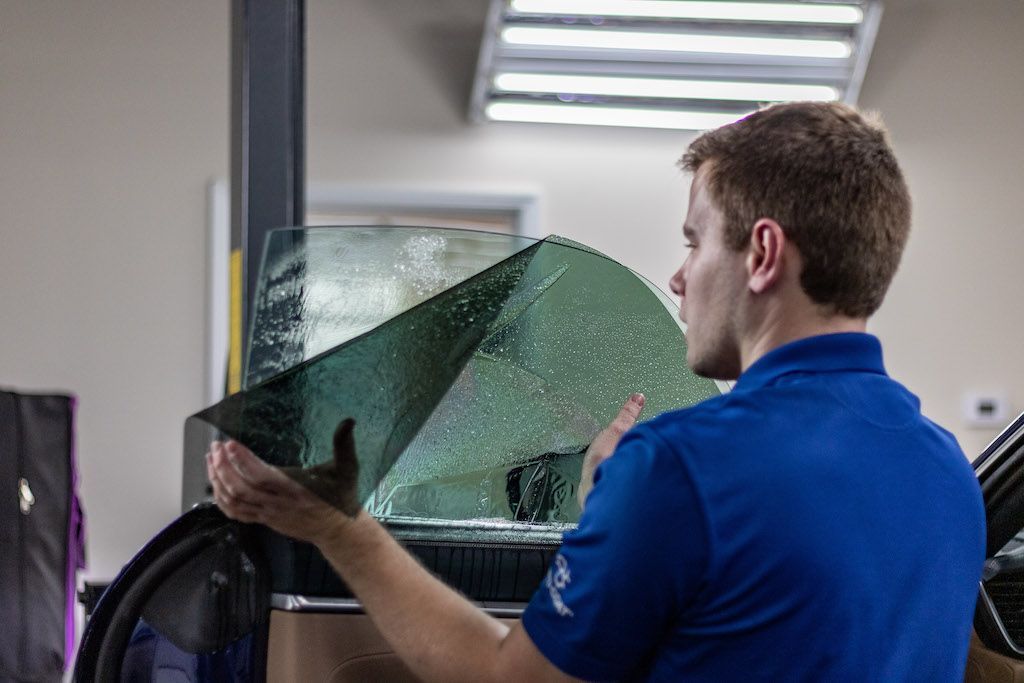
Window film is made to filter UV light as sunlight passes through the glass. Your seats, dash, and trim still see daylight, but they take on less of the exposure that breaks them down.
That's why adding tint early makes sense for drivers who plan to keep their cars. It's a quiet, behind-the-scenes kind of protection that works every time the car sits in the sun.
How Film Cuts Down UV Exposure
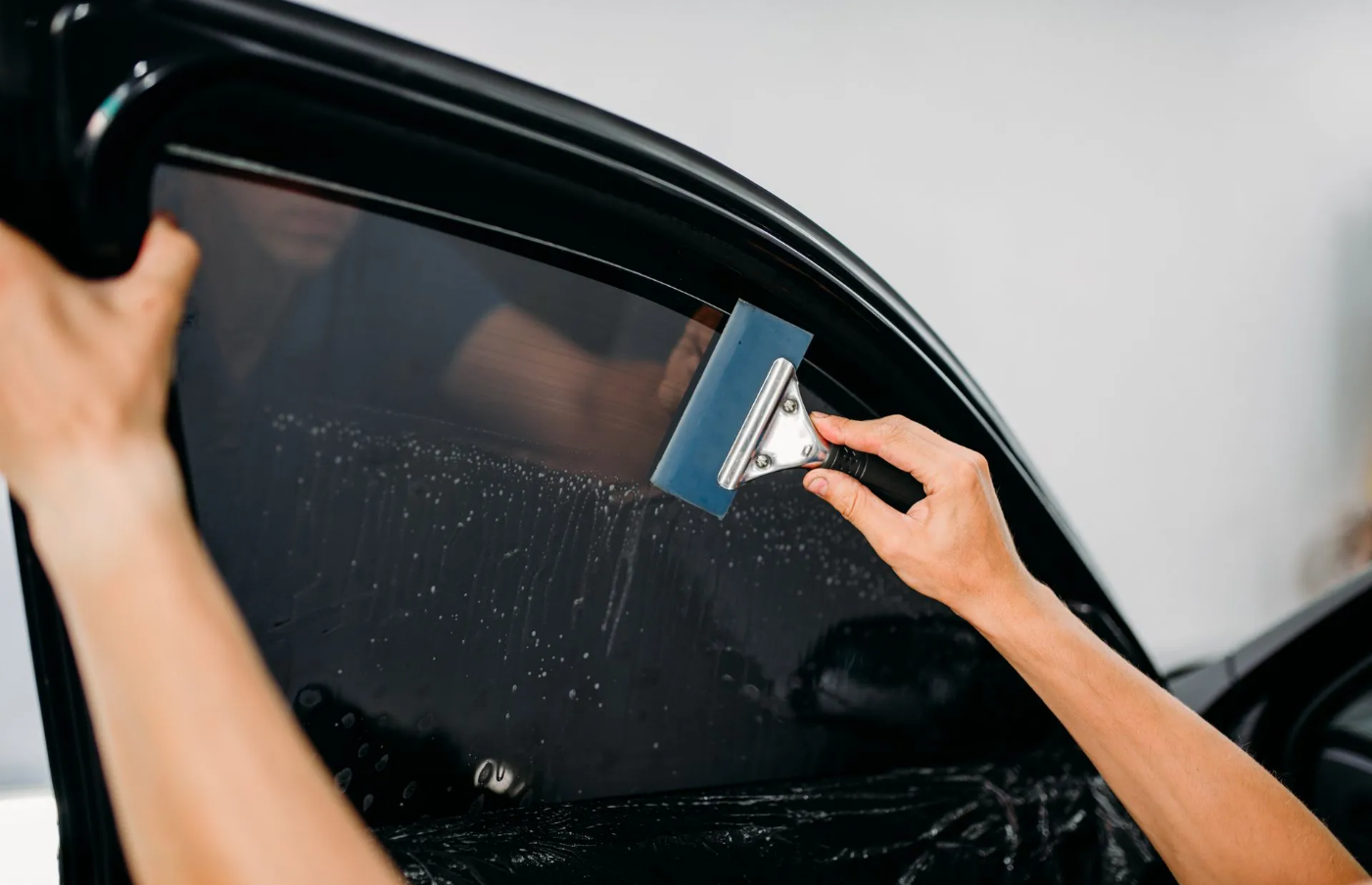
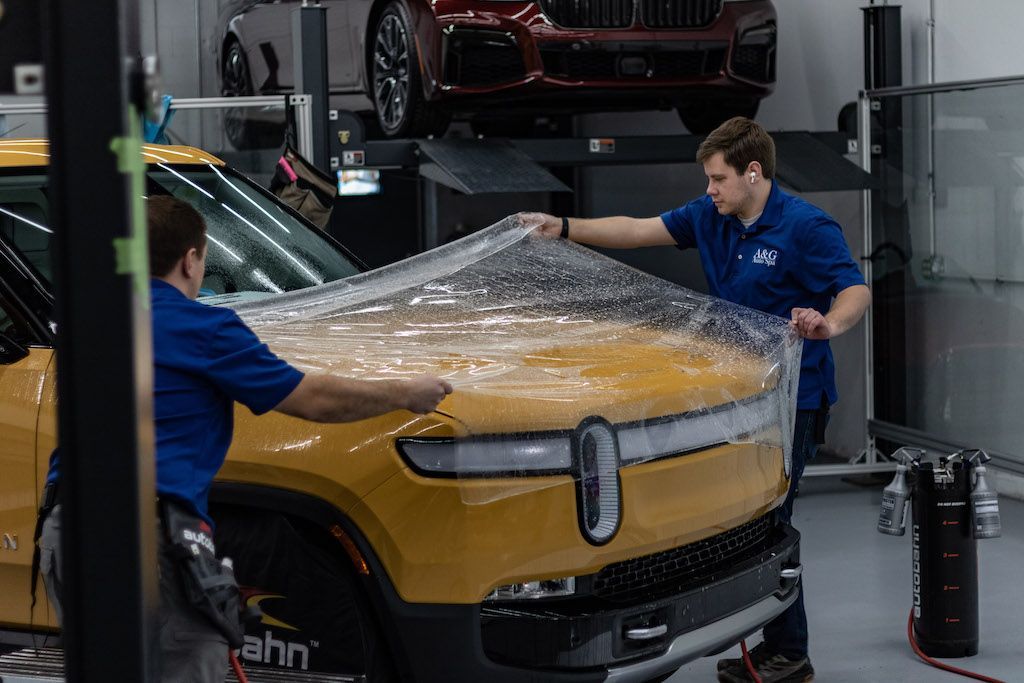
Window film is applied directly to your car's windows. After installation, sunlight has to pass through the film before it reaches the cabin.
Here's what that means for your interior:
- Less UV reaches the cabin overall, which helps slow fading and drying across interior surfaces
- Leather and fabric seats get less direct exposure through the side and rear windows
- Door panels and trim stay shielded from some of the daily sun they'd normally take
- Your interior keeps its original look for longer
What Tint Can't Promise
We want to be clear about the limits here. Tint reduces UV exposure, but it doesn't block every bit of it, and it won't stop fading completely.
Your interior will still age over time, just at a slower pace. So, does window tint protect your interior from sun fading? Yes, in the sense that it slows the process down. Your cabin won't become immune to the sun.
Tint also won't reverse damage that's already there. A dash that's already faded or cracked will stay that way, which is why it makes sense to add tint while your interior still looks good.
Who Benefits Most From Interior Protection
Every car sees some sun, but some drivers have more to gain from tint than others. Tint tends to pay off most for these drivers and cars.
- Drivers who park outside all day at work
- Owners holding onto their car for the long term
- Anyone with leather seats they want to keep looking rich
- Anyone who takes long drives on sunny days
- Commuters around St. Louis who leave their car in open parking lots
Protecting the Value of Your Cabin
A clean, unfaded interior makes a car feel cared for. Whether you keep the car for a long time or eventually sell it, a cabin that still looks sharp is something you'll appreciate every time you open the door.
Think of tint as a way to protect what you already paid for. It's a small step that helps your interior hold onto its original look.
Why a Professional Tint Install Matters
Tint only protects the parts of the glass it covers. A sloppy job with gaps or peeling edges leaves room for more sun to get through.
A careful install should give you:
- Full coverage across every tinted window
- Clean, tight edges that stay put
- A smooth finish without bubbles or creases
At A&G Auto Spa, we offer ceramic window tint as a premium film option. You can learn more about it on our window tinting page. Our staff is happy to explain each film option.
Certified Hands at Our Shop
The technicians at our shop in Maryland Heights, MO hold IDA (International Detailing Association) and CPD (Certified Professional Detailer) certifications. We bring the same careful approach to every service we offer, tint included.
Simple Habits That Help Your Interior Last
Tint carries much of the load, but a few easy habits can add to that protection. Together, they give your interior its best shot at staying sharp.
- Park in the shade or in a garage when you can
- Use a windshield sunshade on bright days
- Keep surfaces clean so dirt doesn't wear into leather and vinyl
- Wipe down your dash and trim with gentle, car-safe products
If you'd like help keeping the cabin clean and cared for, our
auto detailing team can lend a hand.
Keep Your Interior Looking Its Best With A&G Auto Spa
Your seats and dash look great right now? Tint is a simple way to help keep them looking that way. Window film works quietly to protect your interior every time your car sits in the sun.
Get in touch with our team about tint for your car. We'll answer your questions honestly and help you pick a film that suits your car and how you use it.
Frequently Asked Questions
These are some of the questions drivers ask when they're thinking about tint for interior protection.
Will window tint stop my interior from fading completely?
No, and it's worth being upfront about that. Window tint reduces the amount of UV light that reaches your interior, but it doesn't block all of it. Your seats, dash, and trim will still age over time.
What tint does is slow that process down. With less UV exposure day after day, fading and drying build up at a slower pace. Pair tint with simple habits like shade parking and regular cleaning, and your interior has a better chance of staying in great shape.
Does tint help protect leather seats?
Yes, it can help. Leather tends to dry out, lose color, and stiffen when it sits in strong sun for long stretches. Since tint cuts down the UV coming through your side and rear windows, your seats get less of that exposure.
Tint works best as part of a bigger care routine, though. Keeping leather clean and cared for goes a long way, too. Together, tint and good habits give your seats a better chance of keeping their rich look.
Can tint fix a dashboard that's already faded or cracked?
Unfortunately, no. Tint is a preventive step, so it helps protect materials that haven't been damaged yet. It can't bring back color that has already faded or repair cracks that have already developed.
So timing counts. The best time to add tint is while your interior still looks the way you want it to. If your dash already has some fading, tint can still help slow further wear across your cabin. If you're unsure whether tint makes sense for your car right now, we're glad to go over it with you.
Do I need tint if I usually park in a garage?
A garage helps a lot, but your car still spends plenty of time in the sun. Think about the hours it sits in an open lot at work, outside a store, or on a long drive with the sun pouring through the windows.
All of that exposure adds up over months and years. Tint gives your interior steady protection during those times when shade isn't an option. For drivers who want to keep their cabin looking sharp for years to come, it's still a smart addition.
Is interior protection worth it if I don't plan to sell my car?
Absolutely. A lot of people think about resale, but the biggest benefit is the one you enjoy every day. When your seats and dash keep their color and condition, the car simply feels nicer to drive.
If you're holding onto this car for a long time, protecting the interior means you get to enjoy a cabin that still looks cared for. And if your plans ever change, a well-kept cabin makes a better first impression on the next owner.