Choosing the right window tint for your vehicle is a decision that blends personal style with practical performance. It’s about more than just achieving a specific look; it’s about enhancing your privacy, protecting your interior from harmful UV rays, and improving your overall driving comfort. However, with terms like "5%," "20%," and "35%," the options can feel confusing. What do these numbers mean?
At A&G Auto Spa, we believe in empowering our clients with clear, transparent information. Since 2002, we have been Maryland Heights’ trusted experts in automotive protection, helping discerning vehicle owners in the greater St. Louis area make informed choices for their vehicles. This guide is designed to demystify window tint percentages and help you select the perfect shade for your needs.
What Do Window Tint Percentages Mean? Understanding VLT
The number associated with window tint refers to its Visible Light Transmission (VLT). In simple terms, VLT refers to the percentage of visible light that can pass through a tinted window.
- A lower VLT percentage means a darker tint. For example, a 5% VLT film allows only 5% of visible light to pass through, making it very dark.
- A higher VLT percentage means a lighter tint. A 70% VLT film is much lighter, allowing 70% of light to pass through.
Understanding VLT is the first step in choosing a tint that provides the exact combination of aesthetics and functionality you desire.
A Visual Breakdown of Common Tint Percentages
To help you visualize the options, let's break down the most common tint percentages and their typical applications.
5% VLT: The "Limo Tint"
This is the darkest shade available and is often referred to as "limo tint" for a reason. It offers the ultimate in privacy, making it nearly impossible for anyone to see inside your vehicle during the day.
- Best For: Maximum privacy and security, superior heat and glare reduction.
- Considerations: Due to its darkness, a 5% VLT can significantly reduce visibility, especially at night when driving. In many states, including Missouri, its use is restricted to rear passenger windows and the back windshield only.
20% VLT: A Bold & Popular Choice
A 20% VLT offers a dark, sleek, and aggressive look without being completely blacked out. It’s a very popular choice for vehicle owners who want a noticeable custom appearance combined with excellent privacy and heat rejection.
- Best For: A stylish and bold aesthetic, significant glare reduction, and excellent privacy.
- Considerations: While visibility from the inside out is still good during the day, it can be more challenging at night compared to lighter tints.
35% VLT: The Perfect Balance
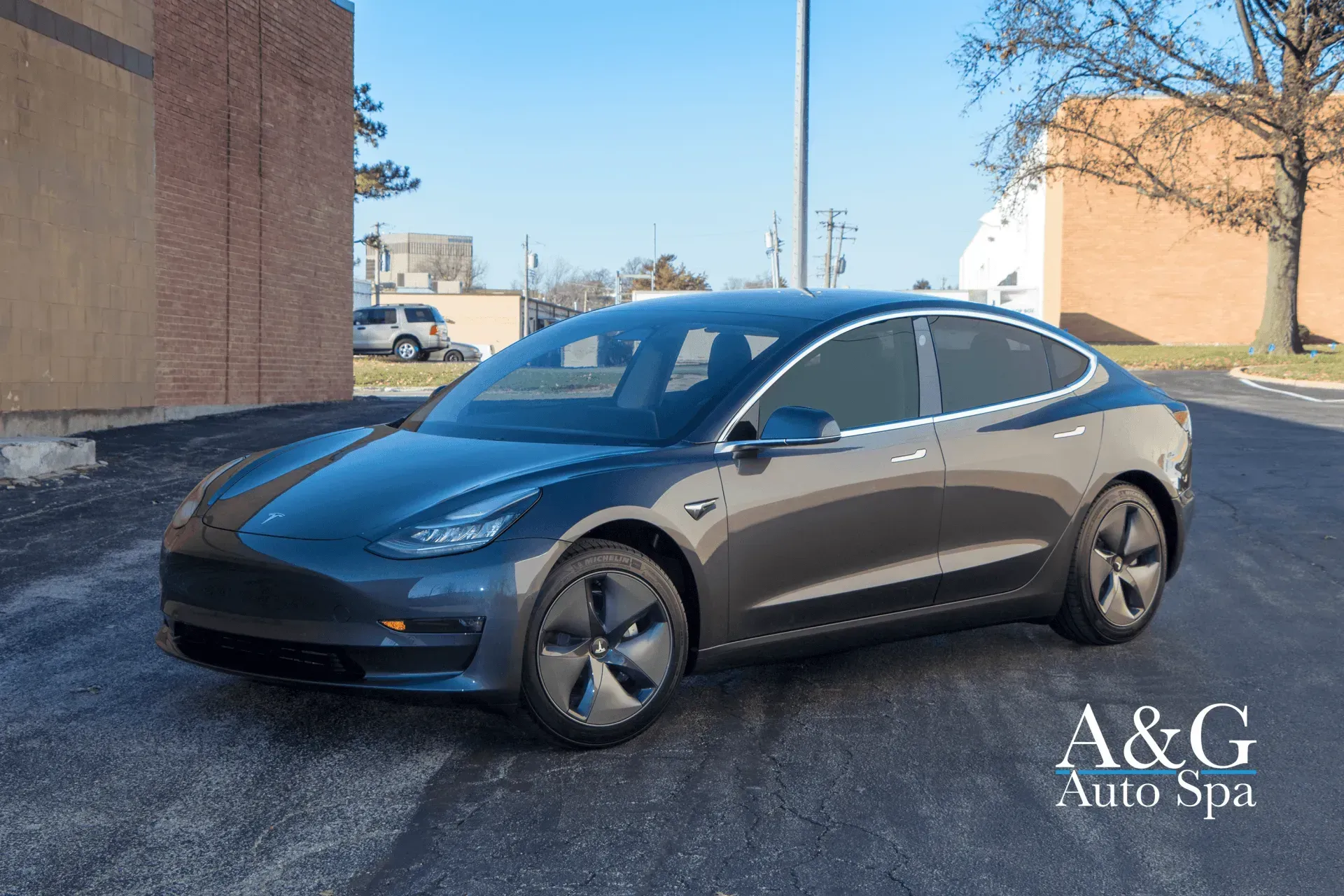
Often considered the "sweet spot," 35% VLT provides the perfect balance between looks, performance, and legality. It’s dark enough to provide good privacy but light enough to maintain excellent visibility day and night.
- Best For: A classy, factory-tinted appearance, excellent heat and UV rejection, and compliance with many state laws for front windows.
- Considerations: This is arguably the most versatile tint, offering a fantastic all-around solution for most drivers.
50% VLT: Subtle & Effective
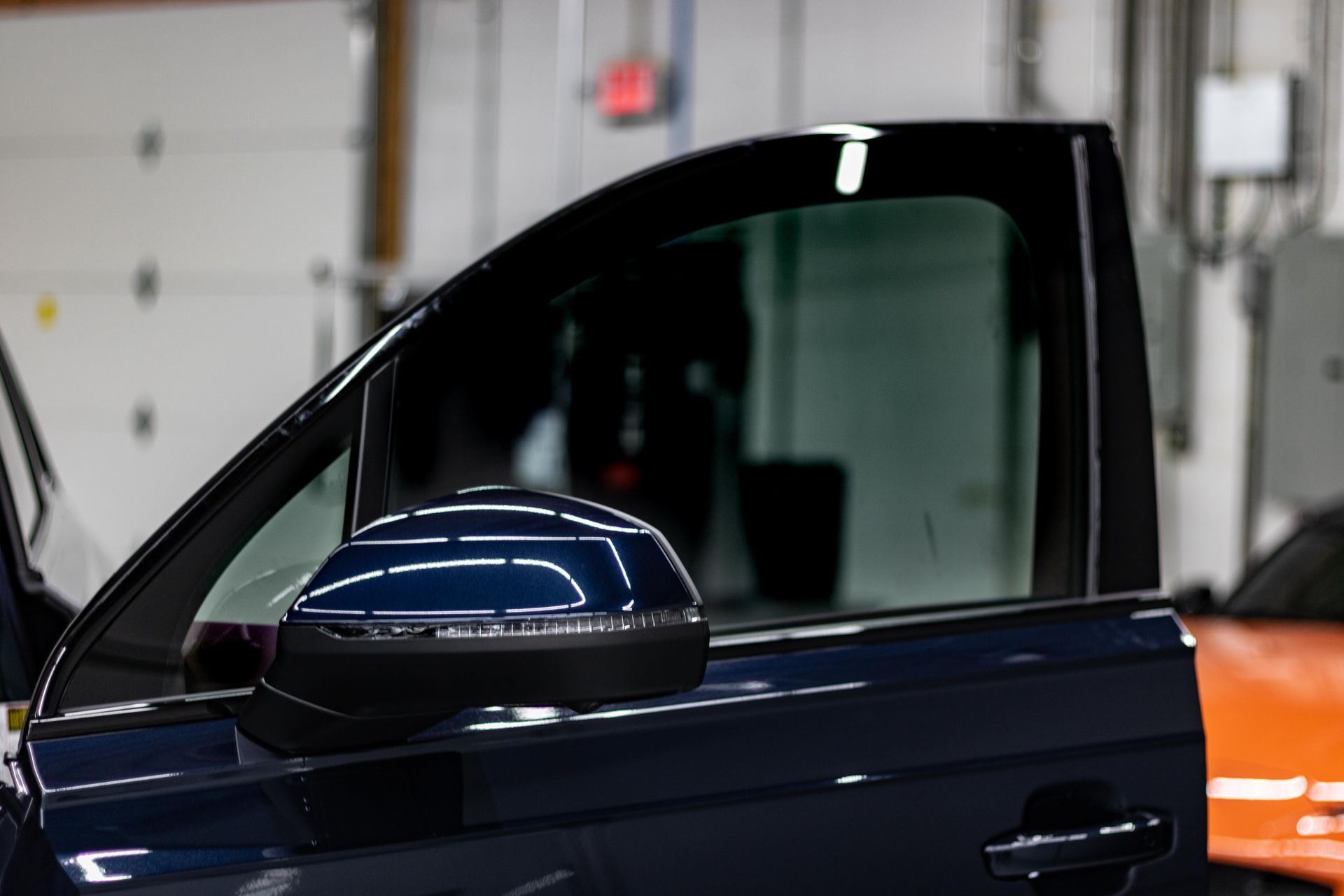
A 50% VLT is a more subtle option for drivers who want the functional benefits of tint without dramatically changing their vehicle’s appearance. It provides a light, smoky look that adds a touch of class while still blocking a significant amount of solar energy.
- Best For: Effective UV protection and heat reduction with a factory-style look.
- Considerations: While it provides some privacy, you can still see into the vehicle fairly easily. It’s an excellent choice for those prioritizing comfort over concealment.
70% VLT: Clear Protection
At first glance, a 70% VLT film is barely noticeable. Its power lies not in its shade, but in its technology. Modern ceramic and IR-blocking films at this level can reject a surprising amount of heat and over 99% of harmful UV rays without making your windows dark.
- Best For: Maximum UV protection and heat rejection with an unaltered appearance. It's the go-to choice for front windshields (where legally permitted) and for classic car owners who want to preserve the original look.
Understanding Missouri Window Tint Laws (2025)
Choosing the right tint also means complying with local regulations. In Missouri, the law specifies the minimum VLT allowed for different windows on a passenger vehicle:
- Front Side Windows: Must allow more than 35% of light to pass through.
- Back Side & Rear Windows: Can be any darkness (e.g., 20% or 5% is acceptable).
- Front Windshield: Non-reflective tint is only allowed along the top of the windshield, above the manufacturer's AS-1 line.
Navigating these laws is a key part of our service. Our expert installers ensure your chosen tint not only looks great but is also fully compliant.
It’s Not Just About the Shade: Why Film Quality Matters
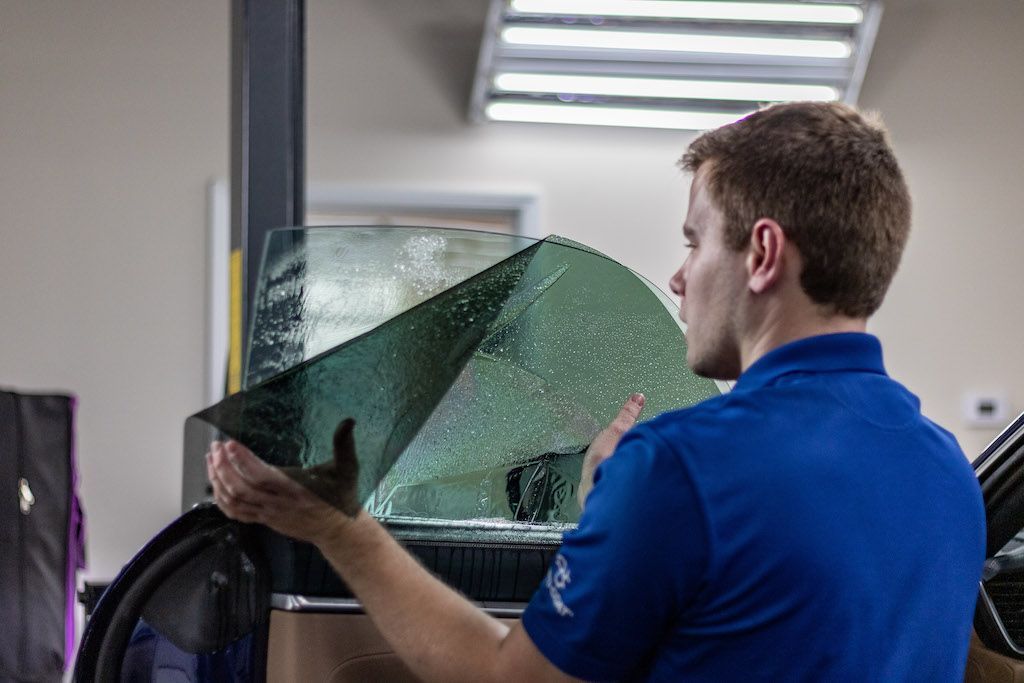
The percentage you choose is only half the story. The type of film used is just as important. While basic dyed films provide shade, they offer minimal heat rejection. For superior performance, we highly recommend ceramic window tint.
Ceramic films are engineered with nano-ceramic particles that are exceptional at blocking heat and UV rays, regardless of the film's darkness. This means a lighter 50% or 70% ceramic film can outperform a dark 20% dyed film, providing you with all the benefits of protection without sacrificing visibility. It’s a cornerstone of any quality
new car protection plan.
Choose Your Perfect Tint with the Experts at A&G Auto Spa
From a dark and private 20% VLT to a nearly clear yet powerful 70% ceramic film, the right window tint is waiting for your vehicle. At A&G Auto Spa in Maryland Heights, our skilled technicians combine decades of experience with the industry's highest-quality films to deliver flawless results every time. We'll guide you through the options, help you understand the benefits of each, and ensure a perfect, compliant installation.
Ready to give your vehicle the comfort, privacy, and protection it deserves? Contact our team at
(314) 575-0953 or visit our
Window Tinting service page to book your consultation today!